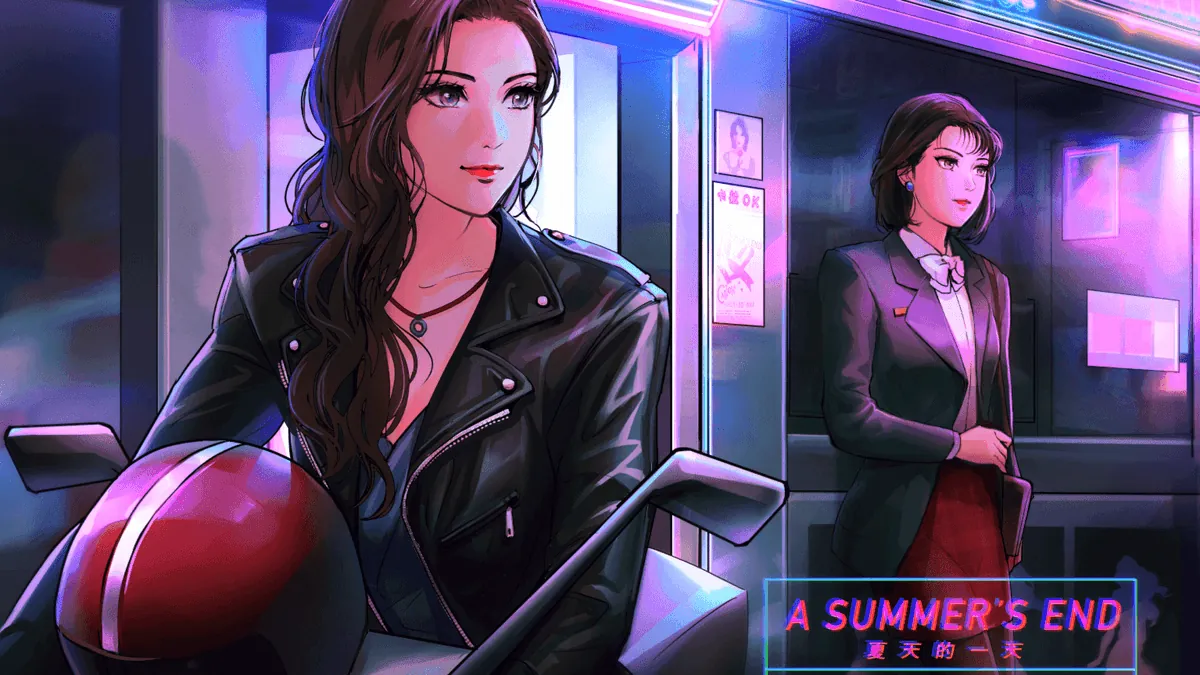
A Summer’s End – Hong Kong, 1986
Play A Summer’s End – Hong Kong, 1986
A Summer’s End – Hong Kong, 1986 Screenshots







A Summer’s End – Hong Kong, 1986 review
Explore the romantic story, gameplay mechanics, and cultural significance of this acclaimed indie visual novel
A Summer’s End – Hong Kong, 1986 is a critically acclaimed visual novel that tells an intimate love story set against the vibrant backdrop of 1980s Hong Kong. This indie game follows Michelle, a young office worker, and Sam, as their chance meeting evolves into a deeper emotional connection. The game stands out for its stunning hand-drawn artwork inspired by 80s anime aesthetics, authentic Hong Kong settings, and thoughtful exploration of identity, family, and love in a conservative cultural context. Whether you’re a visual novel enthusiast or someone interested in LGBTQ+ storytelling, this game offers a compelling narrative experience that balances romance with meaningful character development.
Story, Characters, and Narrative Design
If you’re anything like me, you pick up a visual novel for one reason above all others: a story that pulls you in and characters you genuinely care about. 🎭 The promise of a great narrative is the hook. That’s where A Summer’s End – Hong Kong, 1986 truly shines. It’s not just a sequence of pretty pictures and text boxes; it’s a meticulously crafted journey into the hearts and minds of two young women at a crossroads. This game’s power lies in its visual novel romance narrative, which feels both intimately personal and grandly cinematic.
At its core, the A Summer’s End Hong Kong 1986 story is a beautiful, understated exploration of connection. It masterfully uses the 1980s Hong Kong setting game backdrop not just as a colorful wallpaper, but as an active, breathing character that shapes every decision, every hesitation, and every moment of courage. Let’s pull back the curtain on what makes this LGBTQ+ visual novel so special, from the spark of its central relationship to the subtle genius of its indie game narrative design.
The Central Romance: Michelle and Sam’s Connection
The heart of this experience is, without question, the Michelle and Sam relationship. This isn’t a whirlwind, love-at-first-sight fantasy. It’s something far more real and, in my opinion, far more satisfying. Their connection unfolds with the delicate pacing of a classic film, built on glances, quiet conversations, and the gradual dismantling of emotional walls.
We first meet Michelle, a mid-level office worker living a life defined by routine and filial duty. Her world is one of muted colors and expected paths. Sam, in stark contrast, is a free-spirited sales assistant with a bold fashion sense and an independent streak. Their chance meeting in a video store is the inciting spark, a moment that feels plucked right from a Wong Kar-wai film. 🎞️ What follows is a dance of attraction and uncertainty, perfectly capturing the thrill and anxiety of a new crush.
The game’s brilliance in character development visual novel techniques is how it lets you inhabit both their perspectives. You feel Michelle’s internal conflict—the pull between a safe, conventional future and the terrifying, exhilarating possibility Sam represents. Simultaneously, you sense Sam’s own vulnerabilities beneath her confident exterior; her independence is hard-won, and offering her heart is its own kind of risk.
Their relationship develops through shared moments that will feel familiar to anyone who has ever fallen in love: lingering dinners, a motorcycle ride through the neon-lit streets, and conversations that slowly move from the superficial to the profoundly personal. The writing never tells you they’re falling in love; it shows you through stolen glances, hesitant touches, and the way their conversations deepen. This is a visual novel romance narrative built on authenticity, making every step forward feel earned and incredibly precious.
“The game handles tension with nuance, focusing on the quiet struggle between individual desire and family obligation, rather than sensationalized conflict.”
Example: Character relationship progression example showing how Michelle and Sam’s connection develops from first meeting to romantic relationship
Let’s trace a typical arc in their story to see the masterful pacing. It starts with a formal, cautious exchange in the video store, centered on a shared taste in films—a safe, common ground. Their first planned meeting is a hesitant lunch, dialogue options full of polite small talk and internal monologues buzzing with nerves.
The shift begins with shared vulnerability. Maybe during a walk, Michelle opens up about the pressure from her family, or Sam talks about her strained relationship with her own past. The dialogue choices start to include more personal, risky replies. The “friend” label begins to feel inadequate.
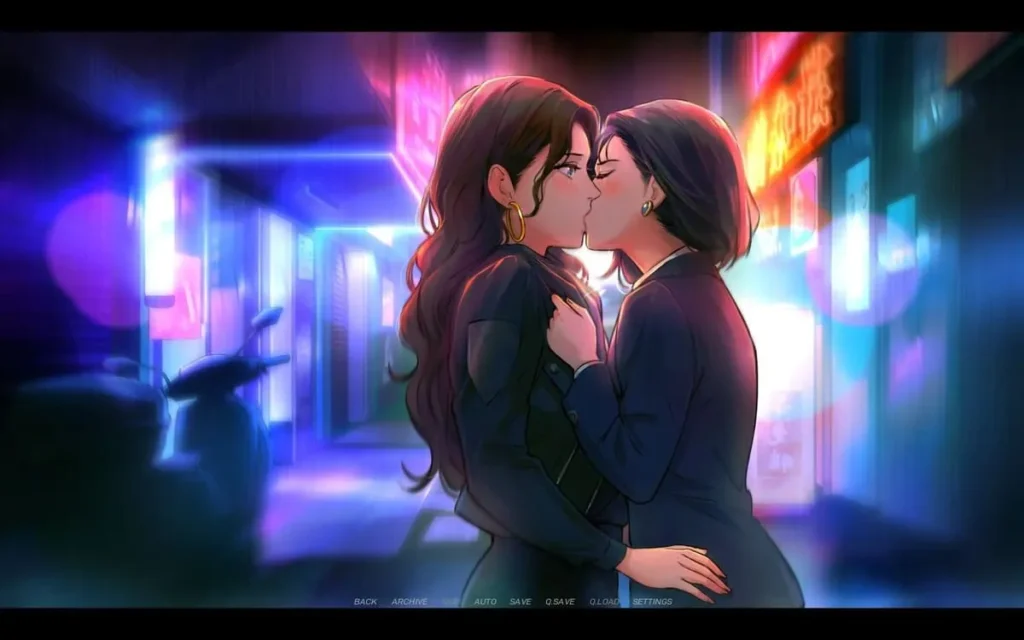
The turning point is often a moment of unguarded intimacy. It could be Sam teaching Michelle to ride her motorcycle, the required closeness breaking down a physical barrier. It might be a late-night phone call where a silence speaks volumes. The game then presents the player with critical choices: to pull back into safety or to lean into the feeling. Choosing the latter leads to a confession scene that is tender, awkward, and breathtakingly real—devoid of melodrama, full of heart.
Supporting Characters and Relationship Dynamics
While Michelle and Sam’s bond is the sun at the center of this solar system, the supporting characters are essential planets that exert their own gravitational pull, shaping the protagonists’ journey. The most prominent of these is Joey, Michelle’s hopeless suitor. 👨💼
Joey is far from a simple villain or caricature. He represents the “expected path”—a nice, suitable man from a good family, the kind of match that would make Michelle’s traditional mother delighted. His presence in the narrative is crucial. He acts as a constant, living reminder of the conventional life Michelle is supposed to want. Navigating Michelle’s interactions with Joey—whether to gently let him down, string him along out of guilt, or be outright cold—forms a significant part of the player’s agency. These choices directly reflect and influence Michelle’s own character development visual novel, testing her courage to be honest about what she truly desires.
Then there are the families. Sam’s more liberal, perhaps fractured, family background has forged her self-reliance. Michelle’s family, particularly her mother, is the embodiment of conservative Hong Kong societal values. The mother is not a monster; she is written with complexity. Her pressure comes from a place of love and a genuine belief in what constitutes a good, secure life for her daughter. This makes the conflict far more poignant and realistic than any cartoonish disapproval. The A Summer’s End Hong Kong 1986 story excels in portraying this indirect communication style, where weighty conversations about the future happen over the dinner table, laden with subtext about finding a good husband and being a proper daughter.
These dynamics create a rich narrative ecosystem. Your choices in how to deal with Joey, how much to confide in friends, and how to communicate (or not communicate) with family don’t just affect a “likability” meter. They actively shape Michelle’s self-concept and determine the strength of her bond with Sam when outside pressures inevitably mount.
| Character | Role in Narrative | Impact on Michelle & Sam |
|---|---|---|
| Michelle’s Mother | Represents traditional expectations and filial duty. | Creates the primary source of external conflict and forces Michelle to choose between family approval and personal happiness. |
| Joey | The “acceptable” romantic alternative; a symbol of the conventional path. | Acts as a constant test of Michelle’s resolve and honesty, both to him and to herself. |
| Sam’s Social Circle | Represents a more liberal, artistic, and accepting world. | Provides a safe haven and a glimpse of the life Michelle could have if she embraces her true self. |
Themes of Identity and Cultural Context in 1980s Hong Kong
This is where A Summer’s End – Hong Kong, 1986 transcends being “just” a romance and becomes a powerful piece of historical and cultural storytelling. The 1980s Hong Kong setting game is not an accident. It’s a character in itself—a city on the brink of a monumental handover, buzzing with economic energy and cinematic creativity, yet deeply rooted in conservative Confucian values. This specific tension is the perfect crucible for a story about personal identity. 🏙️
The game tackles LGBTQ+ visual novel themes with a refreshing and deliberate avoidance of tragedy-centric narratives. While it doesn’t shy away from the reality of homophobia and social stigma, its focus is not on trauma or sensationalized coming-out drama. Instead, the conflict is internal and familial. The primary struggle is Michelle’s journey toward self-acceptance and finding the courage to live authentically in a world with strict blueprints for success and happiness. Sam’s struggle is different but parallel—navigating a society that marginalizes her for her independence and her sexuality, learning when to stand firm and when to protect her heart.
The narrative brilliantly explores the clash between individual desire and collective family obligation. This is a central theme in many East Asian stories, and here it is rendered with exquisite sensitivity. The anxiety Michelle feels is less about society at large “rejecting” her, and more about devastating her mother, failing in her duty as a daughter, and stepping off a clearly marked path into the unknown. The game’s indie game narrative design shines in how it uses environmental storytelling—the cramped yet familiar apartment, the bustling office, the vibrant but anonymous night markets—to constantly reinforce these themes of claustrophobia and possibility.
Inspiration from Hong Kong cinema (the moody, romantic tension of filmmakers like Wong Kar-wai) and the aesthetic of 80s anime is evident not just in the stunning art, but in the narrative’s pacing and emotional beats. The story understands the power of a meaningful look, a rain-slicked street at night, and a pop song on the radio to convey what dialogue cannot. It also borrows from literature in its deep focus on internal monologue, allowing you to live inside Michelle’s anxious, hopeful mind.
Ultimately, your choices guide whether this summer’s end is a heartbreaking goodbye or a courageous new beginning. The two main endings—one where Michelle succumbs to pressure and parts with Sam, and one where she chooses love and self—are both bittersweet and deeply resonant. They don’t offer fairy-tale simplicity; they offer truth. The “good” ending is hard-won, and the “bad” ending feels tragically plausible, a testament to the game’s narrative integrity.
This commitment to authentic, nuanced storytelling is what makes the A Summer’s End Hong Kong 1986 story a landmark in the genre. It proves that a visual novel romance narrative can be a profound vehicle for exploring identity, culture, and the quiet, world-changing courage of choosing to be true to yourself. It’s a love story, yes, but more importantly, it’s a story about finding the strength to claim your own life. ✨
A Summer’s End – Hong Kong, 1986 represents a thoughtfully crafted visual novel that transcends typical genre conventions through its authentic cultural setting, compelling character development, and meaningful exploration of identity and love. The game’s combination of stunning hand-drawn artwork, carefully researched Hong Kong locations, and nuanced narrative approach to LGBTQ+ themes creates an experience that resonates with players seeking emotionally intelligent storytelling. Whether you’re drawn to the game’s retro aesthetic, its exploration of 1980s Hong Kong culture, or its intimate romance narrative, A Summer’s End offers a rich and rewarding experience. For those interested in visual novels, indie games, or stories that authentically represent diverse perspectives, this title deserves a place in your collection. Discover the magic of Michelle and Sam’s story and experience one of the most acclaimed indie visual novels in recent years.