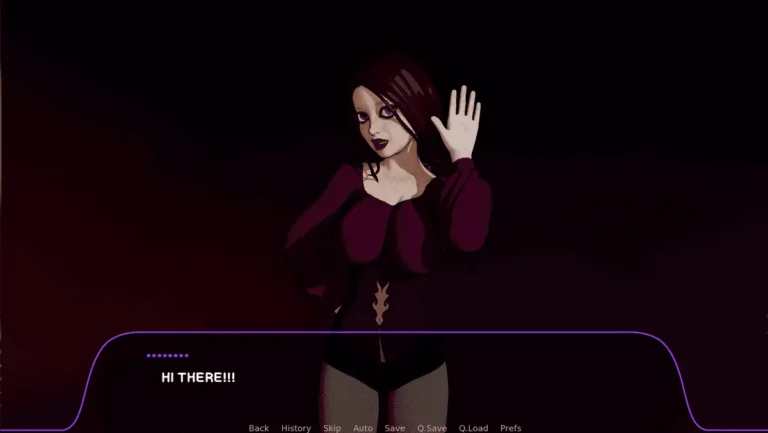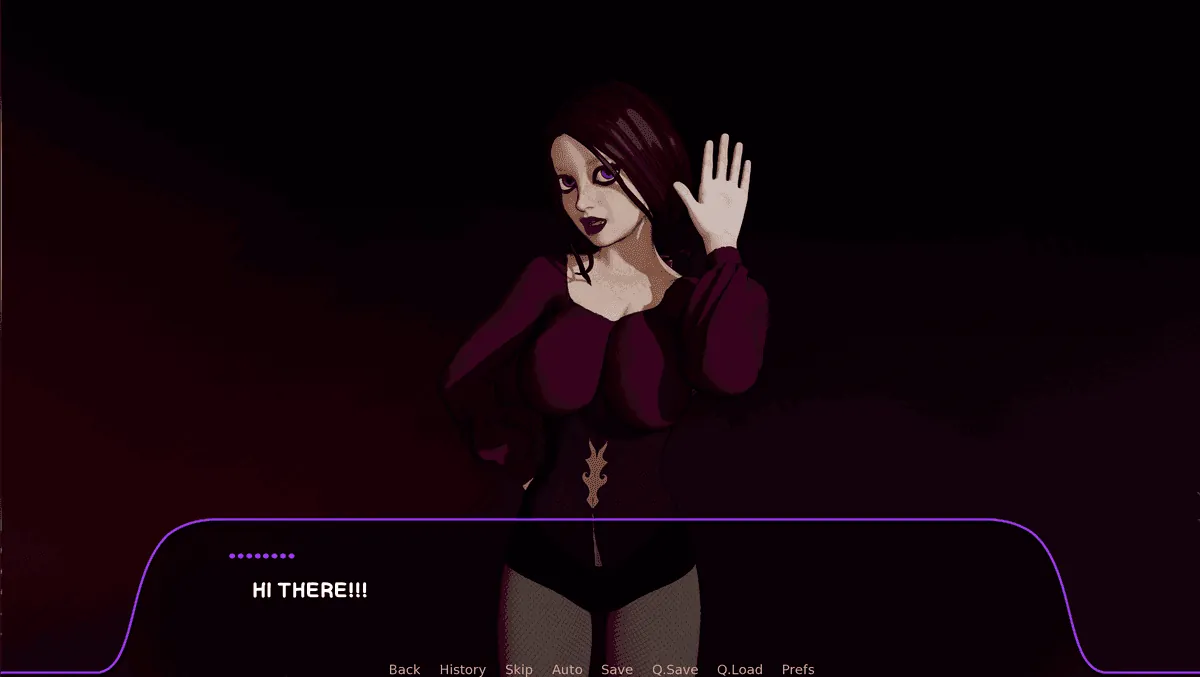
Corruption Time
Play Corruption Time
Corruption Time Screenshots

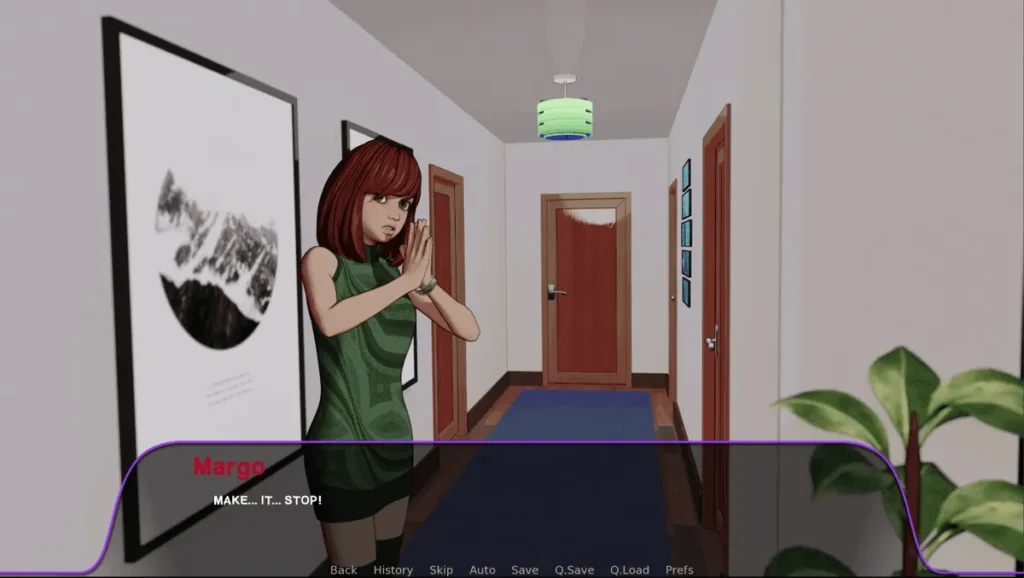
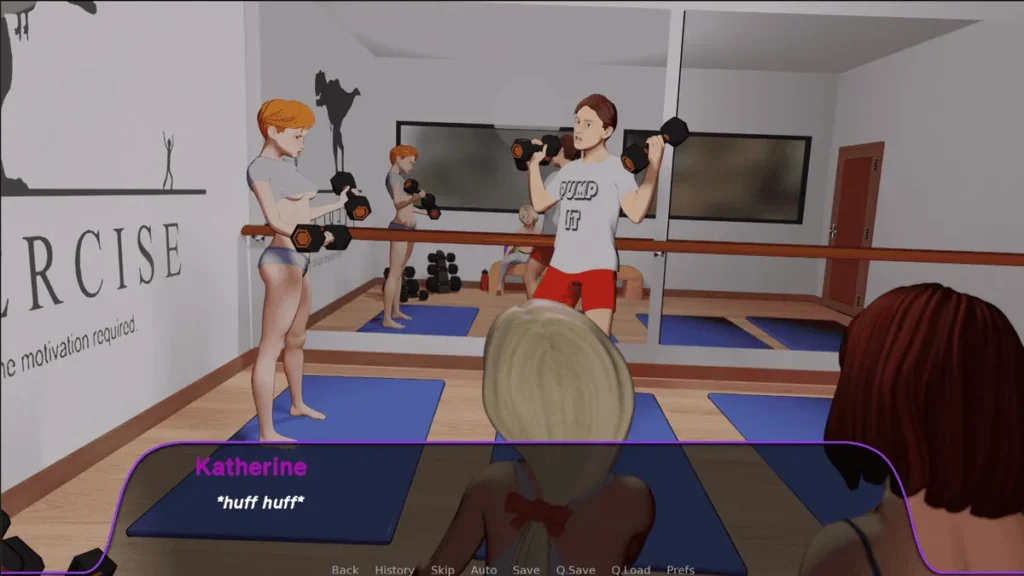

Corruption Time review
Explore the immersive world and unique features of Corruption Time
Corruption Time is a popular interactive adult-themed game that combines storytelling with player-driven choices. This game stands out for its deep narrative, character development, and the unique corruption mechanics that influence gameplay outcomes. Whether you’re new to Corruption Time or looking to deepen your understanding, this guide will walk you through the essential aspects of the game, share practical tips, and offer insights from experienced players to enhance your experience.
Understanding Corruption Time: Gameplay and Mechanics
Ever wondered what it’s like to truly hold the fate of characters in your hands? Where every choice you make doesn’t just change a line of dialogue, but fundamentally alters who they are and what they become? That’s the magnetic pull of Corruption Time gameplay. It’s an interactive narrative experience where your decisions are the brushstrokes on a living, breathing canvas of temptation and transformation.
At its heart, this is a game about influence. You step into the shoes of a character with the power to guide, seduce, and reshape the lives of those around you. The core loop is deceptively simple: talk, choose, and watch the consequences unfold. But beneath that lies a delicate web of Corruption Time mechanics that track every whispered suggestion and every bold command. It’s a dance between building genuine connections and orchestrating a beautiful, moral collapse.
### What is Corruption Time? An Overview 🎭
Think of Corruption Time not just as a game, but as a social experiment you control. The premise drops you into a familiar setting—a campus, a workplace, a household—filled with characters who have their own dreams, insecurities, and moral compasses. Your role is to interact with them, build relationships, and slowly introduce new… possibilities.
The “Corruption” in the title isn’t just a theme; it’s the core currency and catalyst. This is a world where innocence is a path, but not the only one. The game masterfully explores adult themes of power, desire, and agency, asking you how far you’re willing to go to see a different side of someone. Will you be a beacon of love and support, or the architect of their liberation from society’s constraints? The beauty is that there’s no single right answer, only a spectrum of stories waiting to be told.
My first playthrough, I was determined to be the “good” influence. I stuck to supportive choices, encouraged healthy ambitions, and built what I thought was a pure bond with a character named Evelyn. Little did I know, by avoiding all corrupting choices, I had locked myself out of entire story arcs that revealed her deepest, most hidden desires and strengths. I’d achieved a “pure” ending, but it felt strangely incomplete. I’d seen only one version of her, and the game was clearly whispering that there was so much more.
### Core Gameplay Features and Player Choices ⚖️
The engine of this experience is the dual-point system. Nearly every significant interaction rewards you with either Love Points or Corruption Points. These aren’t just score trackers; they are the genetic code of your unique story.
- Love Points are earned through choices that reinforce a character’s original morals, support their innocent goals, and build a traditional, caring relationship. Think of it as strengthening their core self.
- Corruption Points come from choices that challenge their boundaries, introduce them to new, often sensual experiences, and empower them through a rejection of previous limitations. This isn’t about making them “worse”; it’s about guiding them toward a different kind of strength and autonomy.
The magic of Corruption Time player choices is that they are rarely black and white. You might face a scenario where encouraging someone to stand up to a bully could grant Love Points for supporting their confidence, or Corruption Points if the method you suggest involves a sly, manipulative tactic. Is the end result worth the means? You decide.
Beyond points, your choices branch the narrative in profound ways. Early decisions can close off or open up entire conversation threads, locations, and character interactions later on. I remember once casually suggesting a character try a different style of dress in Act 1. It seemed insignificant, but by Act 3, that small seed of encouragement had blossomed into a full storyline about her exploring a new identity and career path I never knew existed! That’s the power of Corruption Time gameplay—the butterfly effect is real.
### How Corruption Influences Story Progression 🌱
This is where Corruption Time mechanics truly sing. Your running tally of Love vs. Corruption Points with each character acts as a key, unlocking different narrative gates. Corruption Time story progression is not linear; it’s a branching tree where the branches are grown from the nutrients (points) you provide.
Characters have hidden thresholds. Surpass a certain Corruption threshold with someone, and their dialogue, wardrobe, personal goals, and even their interactions with other characters will begin to shift. You’re not just watching a story; you’re actively morphing it. A shy student might become a confident leader. A dutiful partner might start exploring their own desires. Conversely, a high Love Points path might see them achieve their dream career or find lasting, traditional happiness.
The most compelling moments come from the tension between these paths. How corruption works in Corruption Time is often subtle. It’s not about a sudden, jarring change. It’s a gradual evolution. You’ll see a character hesitate less, make more eye contact, or deliver a line with newfound confidence that wasn’t there before. The game’s brilliance is in showing the progression, not just telling you about it.
To visualize the stark differences these points create, here’s a breakdown:
| Aspect of Gameplay | High Love Points Path | High Corruption Points Path |
|---|---|---|
| Character Development | Strengthens core personality, achieves wholesome goals, finds contentment in their initial life path. | Uncovers hidden desires, develops a more dominant or liberated persona, pursues ambitions outside original boundaries. |
| Available Scenes & Content | Unlocks romantic, tender, and emotionally supportive scenes. Focus on bonding and traditional relationship milestones. | Unlocks scenes exploring power dynamics, sensual discovery, and transgressive experiences. Focus on liberation and new experiences. |
| Ending Outcomes | “Pure” or “True Love” endings, often involving commitments like marriage or shared lifelong dreams. | “Liberated” or “Transformed” endings, where characters break free to rule, explore, or live on their own daring terms. |
| Relationship Dynamic | Partners, equals, a source of mutual comfort and support. | Catalyst and disciple, a more intense and often hierarchical bond built on shared secrets and change. |
This constant Corruption Time love vs corruption balance is the soul of the game. You can’t max out both, forcing you to commit to a vision for each character. Want to see every possible scene? That requires multiple, dedicated playthroughs—a testament to the game’s huge replay value.
### Mastering Your Influence: Corruption Time Tips and Strategies 🧠
Ready to dive in and shape your own stories? Here are some hard-earned Corruption Time tips from my many, many hours of play.
Save Often, and in Multiple Slots! This is the golden rule. Before any major decision, save. Think of it as creating alternate timelines. One choice can divert the entire river of the story, and you’ll want to be able to go back without replaying hours of content.
- Embrace a Role: Don’t try to mix and match point types on a single character in one playthrough. Pick a vision. Are you their guardian angel or their tempting devil? Committing to one path is the only way to reach the deeper, more specific endings.
- Read the Room: Pay close attention to character reactions. If a suggestion makes them flustered but intrigued, you’re on the corruption path. If it makes them grateful and warm, that’s the love route. Their feedback is your best guide.
- Start Small: How corruption works in Corruption Time is through accumulation. Early on, focus on building rapport. Even on a corruption path, you need a base level of trust (often built through some early Love Point choices) before you can suggest more dramatic changes.
- Experiment Freely: Once you’ve completed a natural playthrough, go wild. Use a saved game to see what happens if you pick the most extreme options. The most shocking and revealing character moments often lie behind choices you’d never make in a “serious” run.
Ultimately, Corruption Time offers a powerful fantasy of influence. It asks you to consider the weight of guidance and the price of transformation. The Corruption Time gameplay loop of choice, consequence, and revelation is incredibly addictive, because you’re never just watching a story—you’re arguing with it, sculpting it, and discovering its hidden layers through your own actions. So, who will you help them become? The answer is entirely, thrillingly, up to you.
Corruption Time offers a rich, choice-driven experience where your decisions shape the narrative and character dynamics. Understanding the balance between corruption and affection points is key to unlocking diverse storylines and endings. By exploring the game’s mechanics and applying strategic choices, players can fully immerse themselves in its unique world. Dive in, experiment with different paths, and discover the many facets of Corruption Time.