Dungeon Days
Play Dungeon Days
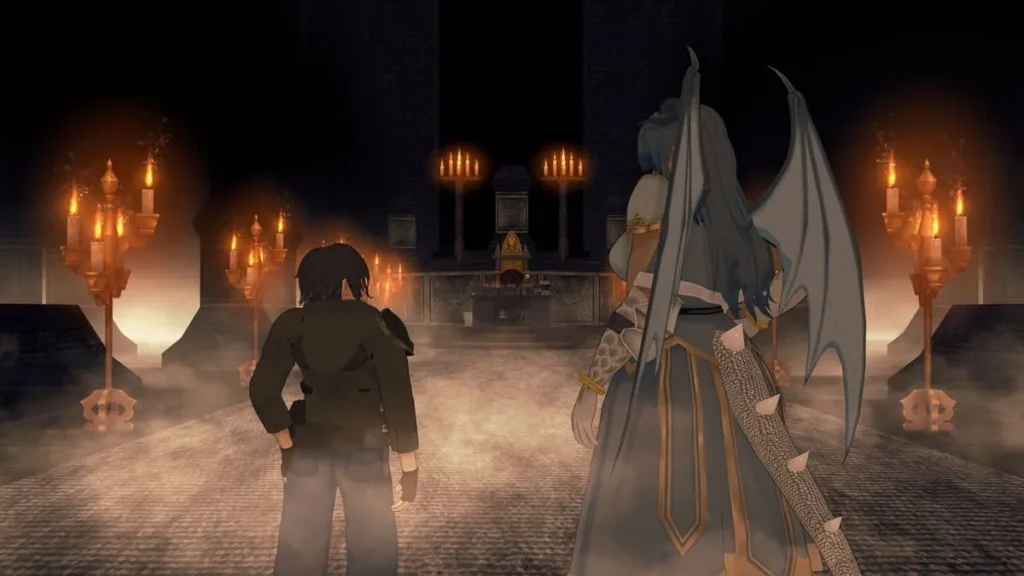
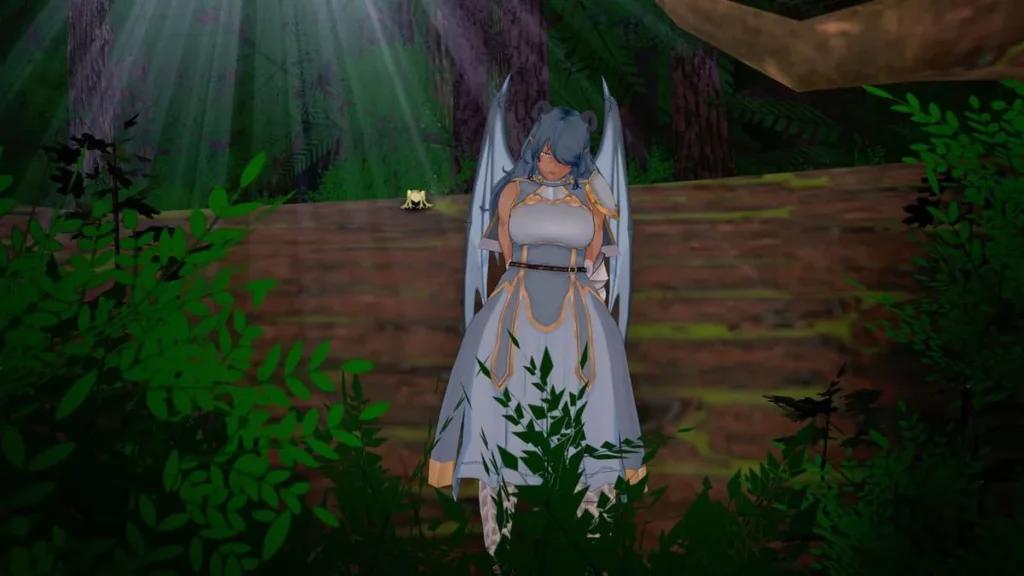
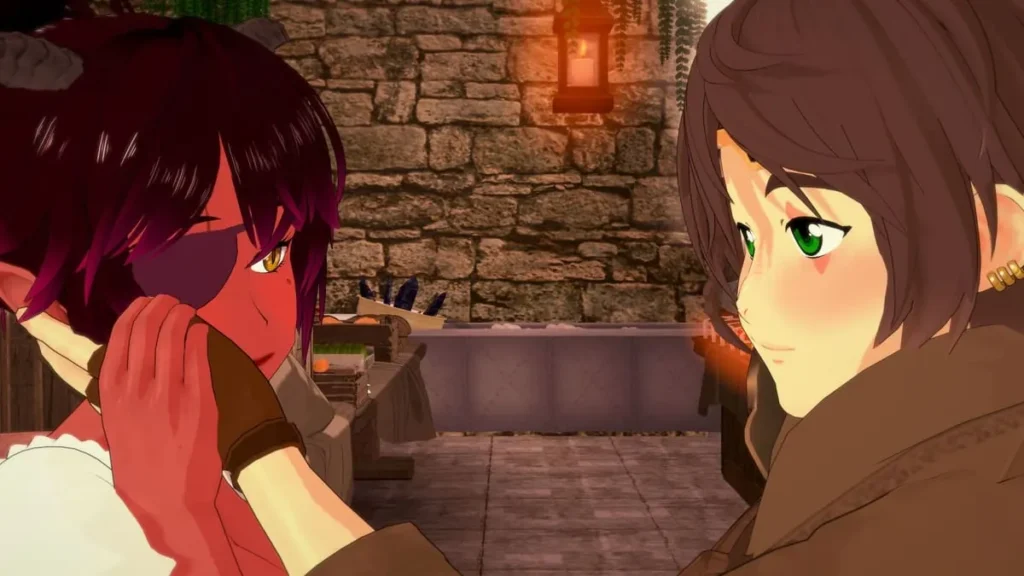
Dungeon Days Screenshots








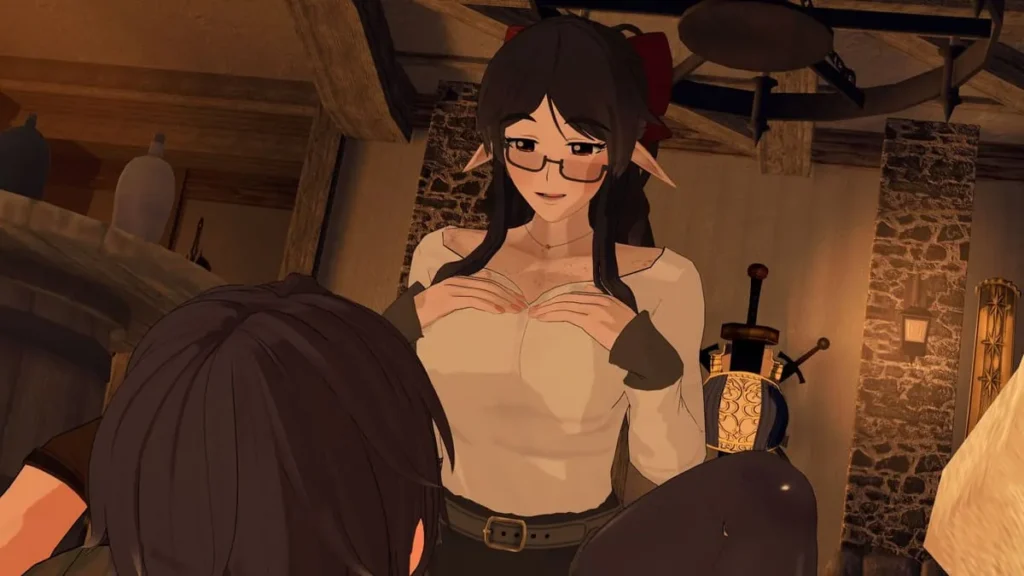




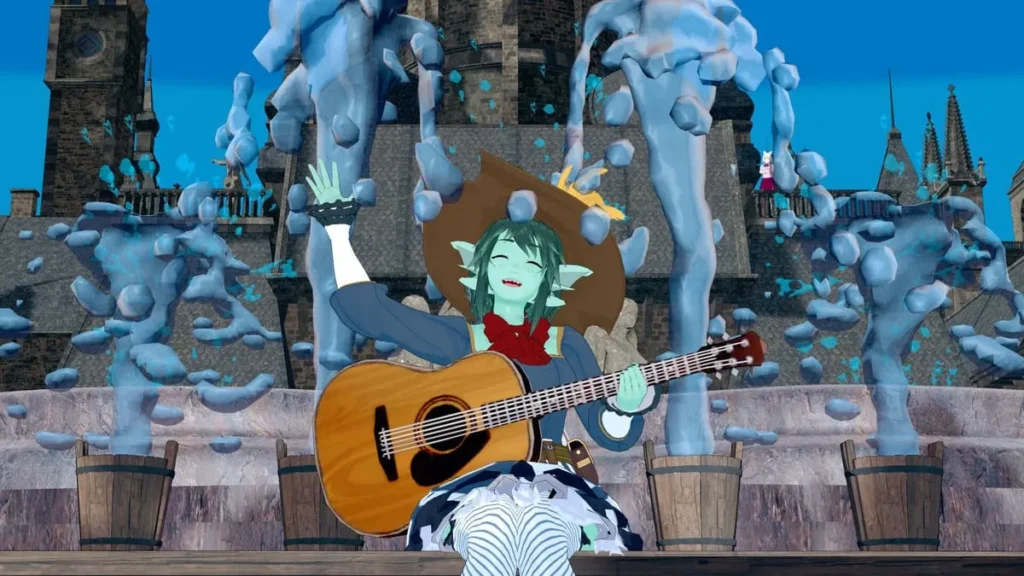
Dungeon Days review
Explore thrilling mechanics, characters, and tips for immersive gameplay in this captivating title
Dive into Dungeon Days, the gripping adult dungeon crawler that’s captivating players with its blend of strategy, exploration, and steamy encounters. Imagine descending into shadowy depths, commanding a party of alluring adventurers, and uncovering hidden pleasures amid perilous challenges—this game turns classic dungeon crawling into an erotic escapade. From my first playthrough, I was hooked by the intricate level designs and character interactions that keep you coming back. Whether you’re a veteran gamer or new to adult titles, this guide unpacks everything you need to master Dungeon Days, optimize your runs, and maximize enjoyment. Let’s embark on this seductive journey together.
What Makes Dungeon Days Stand Out in Adult Gaming?
I still remember the first time my party stumbled into the Gilded Grotto. We were low on supplies, my tank was poisoned, and I was mentally preparing for a brutal game-over screen. Then, the event triggered—a negotiation with a cunning, charismatic merchant who offered a way out, for a price that wasn’t just gold. That moment, the seamless blend of tense resource management, character-driven choice, and mature storytelling, is when I truly got Dungeon Days. It wasn’t just another grid-based slog; it was a living, breathing, and delightfully risqué world where every decision carried weight beyond the combat roll. 🎲✨
This adult dungeon crawler masterfully wraps a compelling, strategic core in a layer of immersive, character-focused narrative. If you’re curious about what makes this title so magnetic, let’s pull back the curtain on the Dungeon Days gameplay that has captured so many players’ imaginations.
Core Gameplay Mechanics Explained
At its heart, how to play Dungeon Days revolves around a classic but deeply refined loop: manage your party, explore treacherous dungeons, engage in tactical combat, and grow stronger. But it’s the execution that sings. The Dungeon Days mechanics are a symphony of interconnected systems.
Your journey starts at the hub town, your base of operations. Here, you’ll manage your Dungeon Days party build, recruit adventurers with unique backstories and skills, upgrade gear, and rest. Venturing into a dungeon shifts the perspective to a turn-based exploration grid. Every step costs supplies, every room holds potential treasure or terror, and the fog of war hides dynamic events that can turn your run on its head.
Combat is a thrilling, turn-based affair where positioning, skill combos, and resource management are key. Will you have your rogue dart behind enemy lines to apply a crippling poison, or use your mage to control the battlefield with a well-placed area-of-effect spell? Managing your party’s Stamina and Morale is as crucial as their HP. Let morale drop too low, and your party members might refuse orders or suffer debilitating penalties.
The Dungeon Days features that tie this all together are the progression and bond systems. Characters don’t just level up; they develop based on how you use them and the choices you make in events. Building relationships between party members unlocks powerful combo abilities and can lead to unique, story-rich interactions back at the tavern. 🍻
Pro Tip: Never enter a dungeon without a dedicated support character. A healer or buffer might not deal flashy damage, but they are the bedrock of any successful long-term Dungeon Days party build.
Here are my top 5 beginner tips for mastering these core mechanics:
* Balance Your Trio: Your first Dungeon Days party build should be a classic balance: one sturdy frontliner (Warrior/Knight), one reliable damage dealer (Rogue/Archer), and one flexible support (Cleric/Mage). This covers all basics.
* Supplies Are Life: Always pack more food and torches than you think you need. Running out in a deep dungeon is a slow, guaranteed failure.
* Scan the Environment: Click on everything in combat! Many battles have interactive elements—a loose chandelier, a unstable pillar—that can be used for massive tactical advantage.
* Rest Strategically: Resting at campfires recovers HP and Stamina but consumes time and supplies. It also advances dungeon events. Sometimes pushing forward is better than resting.
* Talk to Everyone: In town and during dungeon events, exhaust dialogue options. Building bonds and gathering information is often more valuable than the immediate loot.
Why Dungeon Days Captures Player Imagination
So, what transforms this from a competent crawler into an obsession? It’s the fusion of world and mechanics. Dungeon Days doesn’t just have “adult content” tacked on; it integrates mature themes into its very fabric. Characters have desires, flaws, and complex motivations. “Success” isn’t always about killing the monster; sometimes it’s about striking a shady deal, seducing a guard, or exploiting a rival’s weakness.
I learned this during a run in the Sunken Citadel. My party, built around stealth and charm (a fantastic Dungeon Days party build for alternative play), was cornered by a haunted guardian. Outmatched in a straight fight, we triggered an event where my silver-tongued sorceress, Elara, could attempt to commune with the spirit’s lost memories. The game presented a series of skill checks based on our bond level and her magical knowledge. We succeeded, not only bypassing the fight but unlocking a hidden storyline and gaining a spectral ally. That thrill of solving a problem through character role-play rather than brute force is unparalleled. It makes every party feel unique and every run your own story. 📖💫
The immersion is amplified by gorgeous, evocative art and a sound design that makes every dungeon feel distinct—from the dripping echoes of a cavern to the raucous noise of a bandit hideout. You’re not just playing a game; you’re guiding a group of flawed adventurers through a world that feels alive, dangerous, and tantalizing.
How It Differs from Traditional Dungeon Crawlers
Calling Dungeon Days just a dungeon crawler is like calling a gourmet meal just food. It shares DNA with the greats but mutates it into something distinctly its own. The focus here is less on punishing, grind-heavy progression and more on curated, narrative-driven challenges with adult dungeon crawler sensibilities.
While a traditional crawler might have a town that’s just a menu screen, Dungeon Days’ hub is a place of socialization, rumor, and relationship-building. While other games feature character classes, here your characters have personalities that affect gameplay. A traditionally “optimal” party might fall apart because two members despise each other, adding a brilliant layer of strategic depth to your Dungeon Days party build.
The table below breaks down some of the key distinctions:
| Feature | Dungeon Days | Traditional Crawler |
|---|---|---|
| Character Progression | Hybrid system: Levels + Bond-based skill unlocks & narrative evolution. | Primarily linear, level-based stat increases and skill trees. |
| Resource Management | Multi-layered: Supplies, Stamina, Morale, and Relationship Capital. | Often focused on HP, MP, and basic consumables like potions. |
| Player Agency | High. Dynamic events offer social, stealth, combat, or diplomatic solutions. | Moderate to Low. Solutions are often limited to combat, puzzles, or item use. |
| Narrative Integration | Deeply woven into mechanics; story choices directly affect gameplay and rewards. | Often separate; story advances in cutscenes between gameplay segments. |
| Replayability Driver | Character stories, relationship outcomes, and discovering myriad event solutions. | Higher difficulty modes, loot collection, and achievement hunting. |
This focus on narrative agency and character depth is what defines the best Dungeon Days strategies. It’s not just about min-maxing stats; it’s about building a team whose stories and skills synergize. A party of morally flexible rogues will experience a completely different dungeon than a party of pious paladins, facing different events, challenges, and rewards.
For actionable Dungeon Days strategies, establish a daily play routine: start in town to check for new recruits or bond events, embark on one expedition focused on a clear goal (e.g., “reach the 5th floor” or “gather 10 mystic herbs”), and always debrief at the tavern afterward to solidify any new character bonds. This rhythm perfectly balances progression with immersion.
Ultimately, the genius of Dungeon Days gameplay is its replayability. You’re not just crawling dungeons; you’re crafting stories. With a huge roster of characters to recruit, countless event permutations, and multiple major narrative paths, no two journeys are the same. The Dungeon Days features of deep customization and responsive storytelling ensure that your adventure is uniquely, thrillingly yours. 🗺️🏆 It’s a game that remembers your choices, rewards your cleverness, and isn’t afraid to blend strategic depth with a truly mature, captivating world.
In Dungeon Days, we’ve explored the heart-pounding mechanics, unforgettable characters, and strategic depths that make it a standout adult adventure. From my countless hours delving into its labyrinths, the real magic lies in those personal triumphs—building the perfect party, conquering tough bosses, and savoring every intimate moment. Whether you’re just starting or aiming to perfect your playstyle, this game rewards creativity and persistence. Grab your gear, assemble your team, and plunge into Dungeon Days today—your next epic tale awaits. Share your own adventures in the comments and let’s swap tips!