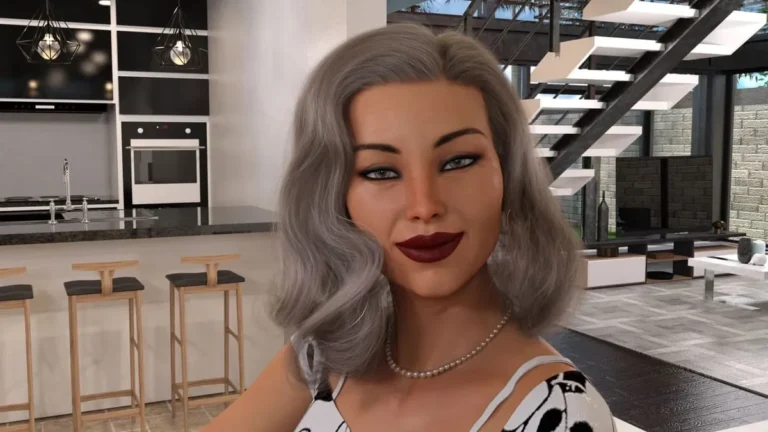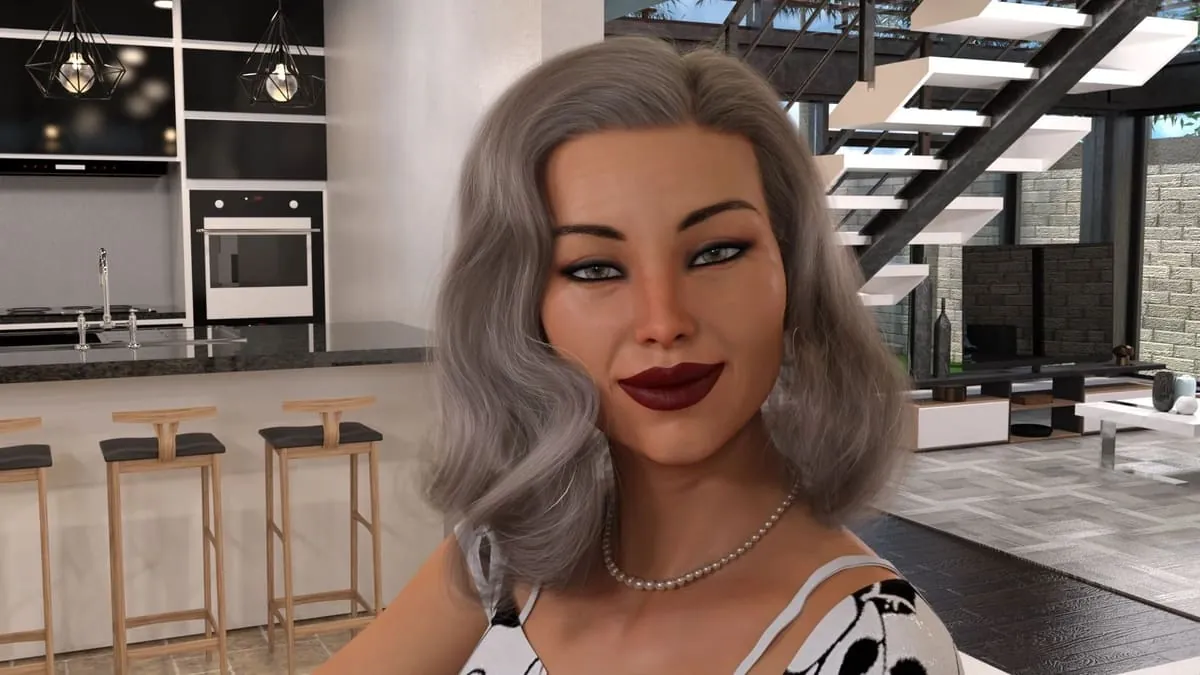
Grandma’s House
Play Grandma’s House
Grandma’s House Screenshots







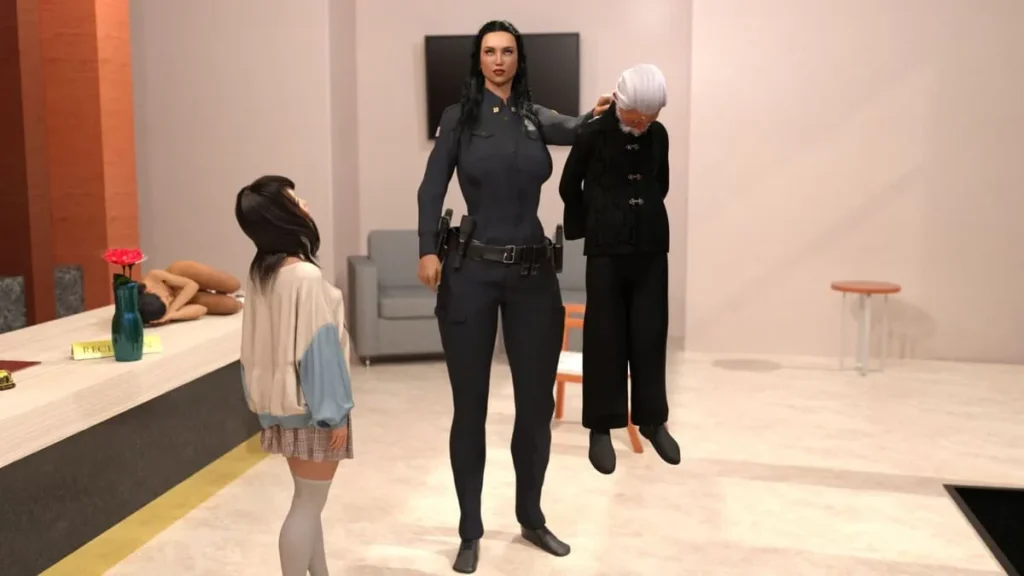






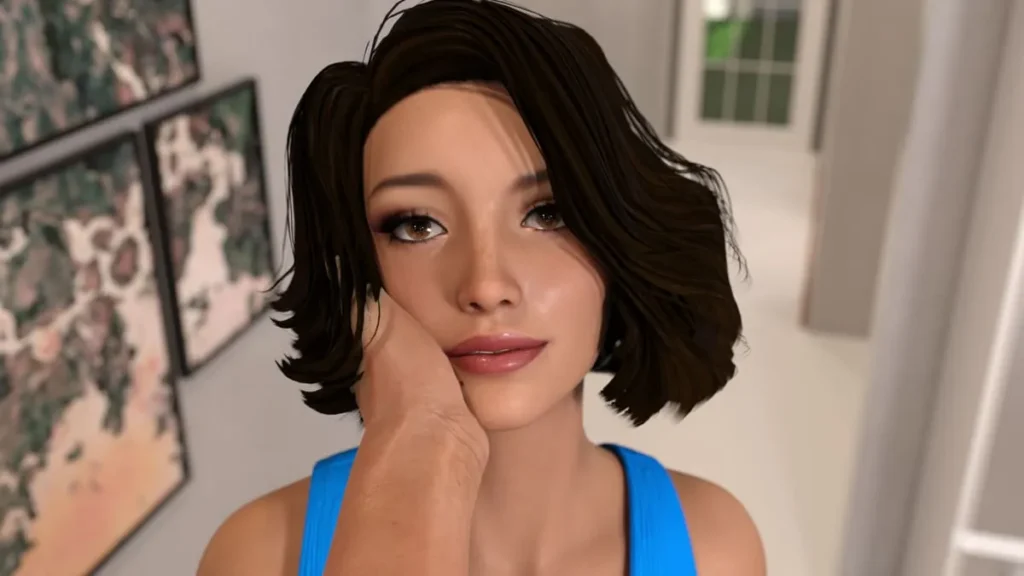



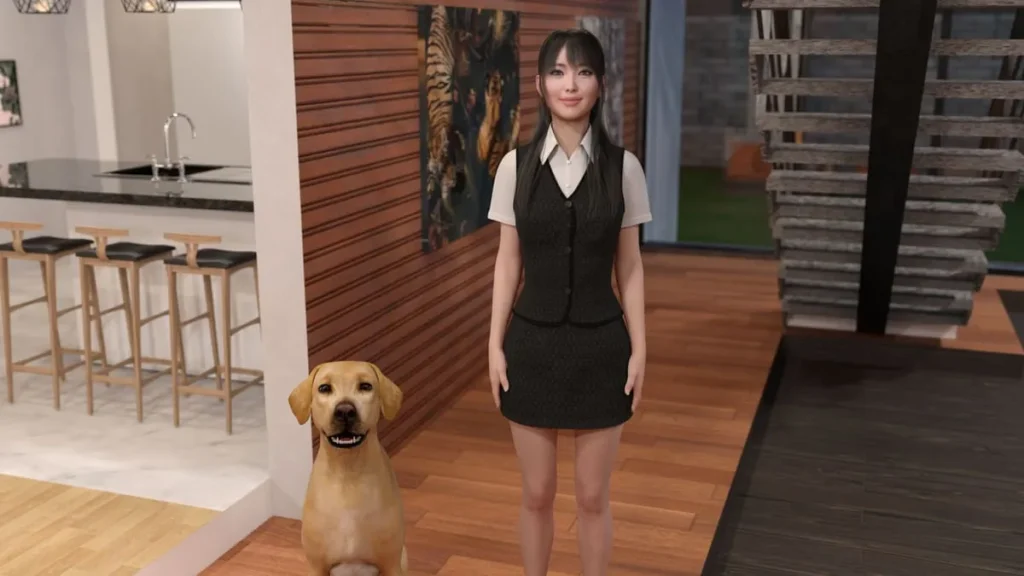



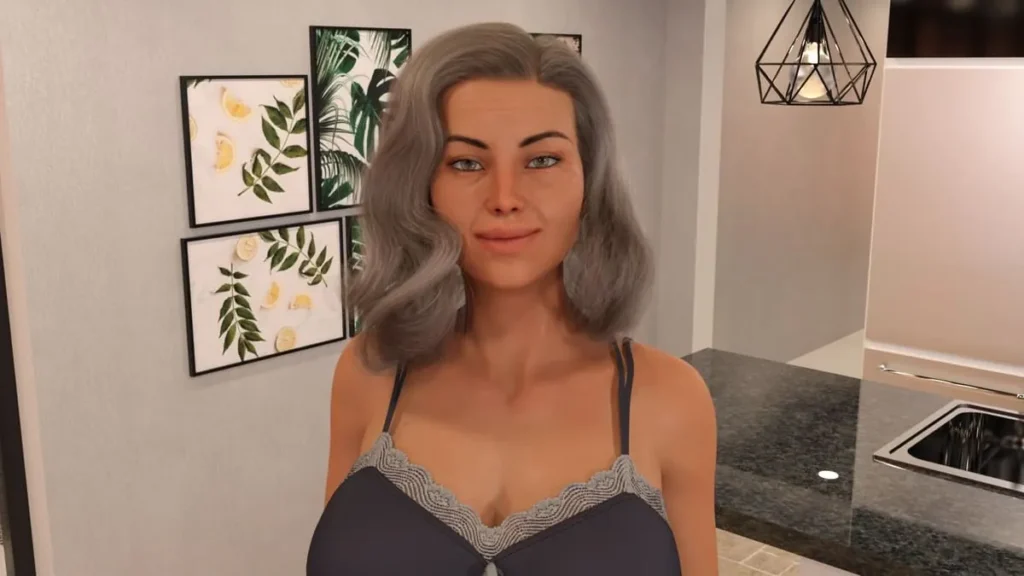



Grandma’s House review
Explore gameplay mechanics, character development, and narrative choices in this indie visual novel
Grandma’s House stands out as a narrative-driven indie visual novel that combines character-focused storytelling with meaningful player choices. Developed by MoonBoxGames, this game emphasizes relationship building and character development over rushed content, creating an immersive experience where decisions genuinely impact story outcomes. Whether you’re interested in understanding the game’s unique approach to pacing, exploring its diverse cast of characters, or learning about progression mechanics, this guide covers everything you need to know about what makes Grandma’s House a compelling choice for visual novel enthusiasts.
Understanding Grandma’s House: Core Gameplay & Design Philosophy
So, you’ve arrived at Grandma’s House. 🏡 You might be expecting a certain kind of experience, one where you click through a few dialogue boxes and are quickly ushered toward a predictable outcome. If that’s the case, you’re in for a wonderfully surprising detour. Grandma’s House isn’t just another title in the indie visual novel space; it’s a deliberate, thoughtful meditation on human connection, where the journey is infinitely more rewarding than any single destination.
This indie visual novel design philosophy is its cornerstone. The game asks for your patience and attention, rewarding you not with instant gratification, but with the slow, satisfying burn of getting to know someone—truly know them. It’s a game where character development in games isn’t a side effect of the plot; it is the plot. Every conversation, every choice, and every shared silence is a brick in the path you’re building with its memorable cast.
What Makes Grandma’s House Different From Other Visual Novels
Let’s be honest: many narrative-driven games, especially in the adult genre, can feel transactional. You pick the “nice” dialogue options, you give the right gifts, and you unlock the next scene in a linear sequence. The focus is often on reaching specific content as efficiently as possible. Grandma’s House throws that playbook out the window. ✨
The developer, Siren, has been vocal about crafting an experience that mirrors real-world relationship dynamics. Think about it: you don’t earn a person’s deep trust or affection in a day. It builds through consistent, genuine interaction, through shared experiences and vulnerabilities. This is the heart of Grandma’s House gameplay mechanics. Progression isn’t gated by a hidden “affection points” counter you can max out in a single play session. Instead, it’s governed by time, attention, and emotional consistency.
I recall my first playthrough, setting my sights on Allie. She’s guarded, with a sharp wit that masks a more sensitive core. I tried the “always say the perfect thing” approach I’d used in other games. It failed. Miserably. She saw right through it. It wasn’t until I stopped trying to “win” and started just being present—listening to her concerns about her art, respecting her space when she was prickly, and offering support without pressure—that our dynamic began to thaw. This is the game’s masterstroke: it makes you engage on its characters’ terms.
The core loop revolves around daily life at the house. You’ll chat over family dinners, help with chores, hang out in common areas, and have private conversations. Your agency comes from choosing who to spend your limited time and energy with. Choosing to help Polly in the garden one afternoon might mean missing a chance for a quiet chat with Allie on the porch. This creates a powerful sense of authenticity. Your branching narrative choices aren’t just about picking flirty dialogue; they’re fundamental lifestyle choices that define your summer and, ultimately, your relationships.
Player Tip: Don’t rush. The game’s save system encourages you to live with your choices. Instead of reloading to see every option immediately, let a playthrough be your unique story. You’ll appreciate the consequences and connections more.
Character-Driven Narrative and Relationship Progression
If the house is the stage, the characters are the undeniable stars. The visual novel character relationships in Grandma’s House are its most celebrated feature, and for good reason. Each character is written with a startling depth of history, personality, and agency. They feel less like romance options and more like real people you’re sharing a summer with.
This is best understood by examining the relationship progression system. It’s not a single, universal meter. Each character has their own emotional timeline and boundaries. Let’s use two examples:
-
Allie and Polly: The Slow Burn. 🕯️ These characters exemplify the game’s commitment to realistic pacing. Allie, as mentioned, is deeply protective of her independence and heart. Pushing for physical or emotional intimacy too quickly is a surefire way to shut down the relationship. She needs to see that you value her as a person—her dreams, her fears, her art—before she can consider you a confidant. Polly, the seemingly cheerful one, also has layers of complexity and past pain that require patience and gentle, consistent friendship to unravel. The game signals this through their dialogue and reactions; a forced compliment might earn an eye-roll, while a simple “I’m here if you want to talk” after a difficult moment can be a significant breakthrough.
-
The Spectrum of Pacing. Not every connection moves at the same glacial pace, and this variety is intentional. Some characters might be more immediately open to friendship or flirtation based on their personality. However, even the quicker connections have depth and can be messed up by being callous or inattentive. The system respects the characters’ autonomy completely. A “no” is a no, and a character needing space is a real mechanic, not just a line of dialogue.
This approach to character development in games has resonated powerfully with players. In community discussions, a common sentiment is relief and appreciation. Players talk about feeling invested in a way they rarely do. One player shared, “I actually felt nervous asking Allie to the town fair, like I would in real life. When she said yes, after weeks of in-game building trust, it felt like a real achievement.” This emotional payoff is what the indie visual novel design is meticulously engineered to deliver.
The game presents a rich tapestry of character archetypes, but subverts them with humanity. You have the ambitious one, the creative soul, the cheerful friend, the quiet observer—but each is free from stereotype. Their personality type directly influences how you must engage with them, making the relationship progression system feel uniquely tailored to every individual.
| Character Archetype | Progression Style | Key to Connection | Potential Pitfall |
|---|---|---|---|
| The Guarded Creative (e.g., Allie) | Slow, Earned Trust | Patience, genuine interest in her passion, respecting boundaries. | Coming on too strong or being disingenuous. |
| The Cheerful Nurturer (e.g., Polly) | Steady, Friendship-First | Consistent kindness, helping others, being a stable presence. | Dismissing her feelings because she “seems always happy.” |
| The Confident Flirt | Faster, but Requires Sincerity | Matching their energy with authenticity, not just playing a game. | Thinking it’s “just fun and games” without emotional depth. |
| The Quiet Observer | Slow, Shared Moments | Comfortable silences, small gestures, noticing the details. | Forcing conversation or demanding emotional disclosure. |
How Player Choices Shape Your Story Experience
This is where all the systems intertwine to create a truly personal narrative. How do player choices affect story in Grandma’s House? On a macro and micro level, in ways both obvious and beautifully subtle. Your summer is a story you author through a thousand tiny decisions.
Most visibly, your branching narrative choices determine which character paths you explore. Choosing to spend your afternoon in the art studio with Allie opens a branch of the story dedicated to her world. Choosing to go into town with another character closes that door for the day and opens another. This isn’t just about “locking in” a route early; it’s about missing shared experiences that become foundational to a relationship. If you never help Polly in the garden, you’ll miss the quiet conversations she only has there, and your relationship with her will reflect that more superficial dynamic.
But the true magic is in the small stuff. It’s in:
* How you react to vulnerable moments. Do you offer supportive advice, or make a joke to deflect the tension? One builds intimacy; the other might build a wall.
* What you remember and reference later. The game’s writing often allows you to recall details from earlier conversations. Doing so shows you were truly listening, and characters react with genuine surprise and warmth.
* Your actions at family events. During dinners or group activities, who do you sit by? What topics do you contribute to the conversation? You’re constantly signaling your interests and allegiances.
I learned this the hard way in my second playthrough. I was pursuing a path with one character and, in doing so, was often dismissive or too busy for another. Later in the story, when I needed a friend during a low moment, that second character was distant and unavailable. Their dialogue wasn’t hostile; it was just cold and formal. The game remembered my inattention, and the narrative consequences felt entirely earned. It was a powerful lesson in how Grandma’s House gameplay mechanics tie choice to consequence in an organic way.
This creates immense replayability. 🎭 A new playthrough isn’t just about picking a different love interest; it’s about crafting a different version of yourself within the story. Will you be the empathetic peacemaker of the household, or the mischievous instigator? Will you focus on mending broken bonds or exploring new, exciting connections? The branching narrative choices allow for these vastly different experiences, all within the same cozy setting.
Ultimately, Grandma’s House is a game that trusts its players. It trusts us to appreciate nuance, to invest in slow-building stories, and to find joy in the quiet process of getting to know another person. Its indie visual novel design is a bold statement that character and choice, when treated with respect and complexity, can create a more captivating and emotionally resonant experience than any predetermined plot. Your story at Grandma’s House is waiting to be written, one honest, patient choice at a time. ✍️❤️
Grandma’s House represents a thoughtful approach to visual novel design that prioritizes authentic character development and meaningful player agency. The game’s commitment to realistic relationship pacing, where characters require time to build trust before progression, sets it apart from typical adult games that prioritize immediate content delivery. With its diverse cast of characters, branching narrative paths, and systems that reward careful decision-making, the game offers substantial replayability and emotional investment. Whether you’re drawn to the intricate relationship mechanics, the character-driven storytelling, or the satisfaction of seeing your choices genuinely impact the narrative, Grandma’s House delivers a compelling experience. For players seeking a visual novel that respects character authenticity and player choice, this indie title proves that slower pacing and character development can create more engaging and meaningful gameplay experiences.