Greener Pastures
Play Greener Pastures
Greener Pastures Screenshots


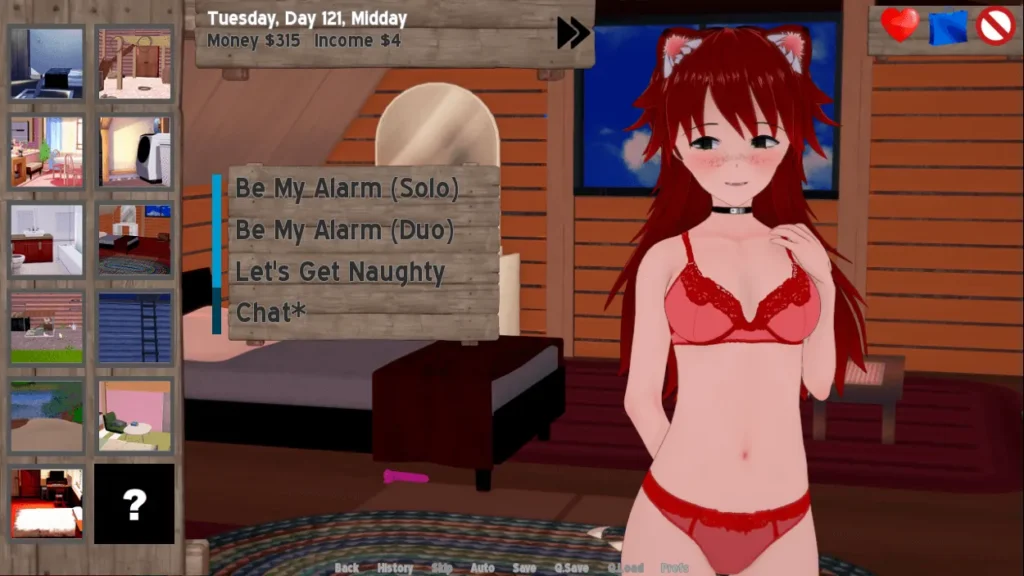
Greener Pastures review
A personal, practical look at Greener Pastures, its gameplay, and what to expect before you dive in
Greener Pastures has been getting a lot of attention, and if you’ve stumbled onto this article, you’re probably wondering what this game actually offers beyond the buzz. In this guide, I’ll walk you through Greener Pastures from a player’s point of view: what the core experience feels like, how the mechanics work, and where it shines or falls short. Instead of vague marketing talk, you’ll get a grounded, story-driven overview, a breakdown of the main systems, and practical suggestions so you can decide if Greener Pastures fits your taste before you invest your time.
What Is Greener Pastures and Why Are Players Talking About It?
If you’ve heard the name buzzing in certain gaming circles but are still wondering, “what is Greener Pastures, actually?”, you’re in the right place. 🎮 It’s one of those titles that doesn’t scream for attention on the front page of major stores, but has cultivated a deeply dedicated following through word of mouth. At its heart, the Greener Pastures game is a compelling blend of life simulation and narrative-driven visual novel, all wrapped in a mature, character-focused package. It’s less about saving the world and more about navigating the complex, often messy world of adult relationships and personal starting over.
This Greener Pastures overview will cut through the hype to give you a clear, personal, and practical look at what you’re really signing up for. We’ll explore the core concept, dissect who it will truly resonate with, and I’ll walk you through my own initial hours with the game. Whether you’re curious about the Greener Pastures gameplay experience or just need a straightforward Greener Pastures review, consider this your grounded starting point.
Greener Pastures Overview: Core Concept and Setting
So, let’s define what is Greener Pastures in concrete terms. Imagine you’ve packed up your old life, driven by a need for change, and arrived in a small, somewhat sleepy town. There’s no epic fantasy conflict or zombie outbreak here. Instead, the drama is entirely human. The core concept of this game is rebuilding your life from a low point, focusing on the connections you forge with the eclectic residents around you. Progression is measured not in levels or loot, but in the depth of your relationships, the secrets you uncover about your neighbors, and the small choices that subtly reshape your daily routine and future.
The setting is a recognizable, almost nostalgic slice of rural Americana with a slight, timeless quality. You’ll spend your time in cozy diners, quiet libraries, modest apartments, and wooded trails just outside town. The atmosphere is a masterful mix of melancholy and hope; there’s a pervasive quiet, but it’s filled with potential. The mood music is often subdued, the color palette leans into golden hours and overcast days, and the pace is intentionally deliberate. This is a world that encourages you to slow down and listen—both to the environment and to the people in it.
You step into the worn-out shoes of a character who is essentially a blank slate for you to define, arriving in this town with a past they’d rather forget and a future that’s completely unwritten. Early goals are simple and relatable: find a steady job, fix up your dilapidated living space, and introduce yourself to the locals. The tensions are interpersonal and internal. Why is the cheerful bartender so guarded about her family? What’s the real story behind the reclusive artist? Can you trust the charming but seemingly unreliable mechanic? The game differentiates itself from mainstream titles by placing character psychology and relationship dynamics front and center. Combat is replaced by conversation, and the major boss fights are emotional confrontations and difficult decisions.
This Greener Pastures gameplay experience is built on a foundation of meaningful choices. Dialogue options aren’t just about being nice or mean; they reflect different approaches to vulnerability, honesty, and intention. Choosing to spend your evening helping a neighbor instead of working an extra shift isn’t just a resource trade-off—it’s a narrative branch that opens up new layers of their story. The game’s mature themes are handled through this lens of choice and consequence in adult life, focusing on the complexities of romance, friendship, regret, and aspiration without relying on graphic depiction.
Who Is Greener Pastures Really For?
Let’s be honest: not every game is for every player. So, who is Greener Pastures for? This is a crucial question before you invest your time and emotional energy. This title is a niche masterpiece, and knowing if you’re in that niche is key to enjoying it.
The ideal Greener Pastures player is someone who:
* Prioritizes story over action. If you play games primarily for intricate plots and rich character arcs, you’ll find a treasure trove here. 📚
* Enjoys “slow burn” experiences. This game is a warm cup of tea, not a shot of espresso. It simulates the rhythm of daily life, with all its quiet moments.
* Loves making choices that feel impactful. You get genuine satisfaction from seeing how a small kindness or a withheld truth can echo through later events.
* Appreciates strong writing and voice acting. The quality of the dialogue and character portrayal is the main vehicle for the entire experience.
* Seeks an atmospheric, almost therapeutic escape. The game world is designed to be a place you inhabit and unwind in, even when the drama picks up.
Conversely, you might want to temper your expectations or look elsewhere if:
* You need constant stimulation, fast-paced gameplay, or competitive elements. You will not find twitch reflexes or grand strategy here.
* You prefer games with clear, quantifiable objectives and constant reward feedback. Progression can be subtle and narrative-driven.
* You are uncomfortable with games that focus heavily on adult relationship dynamics and mature personal themes, even when presented tactfully.
* You want a power fantasy. The protagonist in Greener Pastures is refreshingly ordinary, grappling with ordinary human problems.
In my Greener Pastures review perspective, the game’s greatest strength—its devoted focus on character and atmosphere—is also what defines its audience. It’s for the player who doesn’t mind spending an in-game hour just chatting on a porch swing, because the conversation itself is the reward. 🤝
First Impressions: My Personal Experience Starting the Game
Boot up the game, and the main menu sets the tone immediately: a wistful acoustic guitar track plays over a painted scene of the town at dusk. I hit “New Life,” and my Greener Pastures first impressions began with a slow drive into town, the car’s headlights cutting through the twilight. The first character I properly met was my new landlord, an older fellow with a kind face but weary eyes. The game didn’t bombard me with tutorials; instead, it taught me its systems through context. A prompt to “Look around the room” introduced the exploration cursor. My first dialogue with the landlord, where I chose between a politely distant response and a more open, curious one, was my introduction to the choice mechanic.
That first in-game evening was beautifully mundane and utterly captivating. After the landlord left, I was alone in my new, sparse apartment. The only goal was to “Unpack your suitcase.” I clicked on the bag, and a simple animation played. Then, silence. I walked to the window and looked out at the rainy street. No quest marker, no urgency. The game was saying, “This is your life now. What do you want to do?” It was a little lonely, but also strangely peaceful and full of potential.
I decided to brave the rain and find the local diner. The moment I stepped inside—the bell jingling, the smell of coffee practically wafting through the screen (thanks to great sound design and descriptive text)—the world came alive. I took a seat at the counter and struck up a conversation with the waitress, Chloe. The dialogue wheel offered options that felt real: I could ask about the town, make a light joke about the weather, or comment on the quiet night. I asked about the town. Her response wasn’t just exposition; it was layered with her own personality—friendly but slightly cautious, a hometown girl who knew everyone’s business but was selective about what she shared.
“The magic of Greener Pastures isn’t in a flashy opening sequence; it’s in that first quiet conversation in a near-empty diner, where you realize every word you choose starts to weave the story of who you are in this town.”
What hooked me wasn’t a shocking plot twist, but a moment of quiet authenticity. Later, when I returned to my apartment, I had a notification: “Chloe remembers your conversation.” That small, almost hidden feedback told me the game was listening. My choices, even the seemingly casual ones, were being logged. It made every interaction afterward feel weighted and meaningful. This initial hour sold me on the promise of the Greener Pastures game: a deep, reactive world where the story is truly yours to shape through everyday interactions.
The Greener Pastures gameplay experience from the start is about observation and engagement. It’s not intimidating in its complexity, but it respectfully assumes you’re invested in the human element. Those first impressions cemented that this was a game for nights when I wanted to be immersed in a story, not just play one.
Your Greener Pastures Questions, Answered
To wrap up this introductory chapter, here are answers to a few common questions that might be on your mind after reading this Greener Pastures overview.
| Question | My Honest Take |
|---|---|
| Is Greener Pastures purely a story game? | Primarily, yes. While there are light life-sim elements like managing your job and time, they all exist to serve the narrative and character development. The core loop is experiencing the story. |
| How long until the game “gets good”? | It depends on your definition. If you appreciate atmospheric world-building and slow-burn character introductions, it’s good from the first drive into town. If you’re waiting for major dramatic plot beats, you may need a few in-game days to become invested in the characters first. |
| Is there a lot of replay value? | Absolutely. The branching dialogue and relationship paths mean a different choice in your first conversation can lead to a significantly different dynamic with a character chapters later. Seeing how other choices play out is a major incentive for a second playthrough. |
Greener Pastures is one of those games that lives or dies on whether you connect with its characters and slower, more deliberate style. If you go in expecting a hectic action title, you’ll probably bounce off it, but if you enjoy narrative-driven experiences and you’re comfortable with mature themes handled through dialogue and choice, there is a surprising amount of depth here. Take your time with the opening, pay attention to the small decisions, and treat it like an interactive story rather than a race to the end. If the atmosphere and relationships start to grow on you, Greener Pastures can easily turn into a memorable, highly personal playthrough.