Lost in Paradise
Play Lost in Paradise
Lost in Paradise Screenshots






Lost in Paradise review
Everything you need to know about this adult visual novel experience
Lost in Paradise has emerged as a notable title in the adult visual novel genre, capturing player attention through its intriguing narrative and engaging interactive gameplay mechanics. This visual novel combines storytelling depth with player choice systems that define the modern adult gaming experience. Whether you’re new to the genre or a seasoned player, understanding what makes Lost in Paradise distinctive can help you determine if it aligns with your gaming preferences. This guide explores the game’s core features, gameplay elements, and what sets it apart in the competitive visual novel landscape.
Understanding Lost in Paradise: Game Overview & Core Features
Ever found yourself scrolling through endless game libraries, feeling that itch for a story that’s more than just pixels and power-ups? 🤔 I certainly have. That’s how I stumbled into the lush, complicated world of Lost in Paradise, a title that redefined what I expect from digital storytelling. This isn’t just another click-through adventure; it’s a deep, emotional journey where every choice weighs a ton. At its heart, Lost in Paradise is a masterclass in the visual novel format, blending compelling narrative with mature themes to create an experience that sticks with you long after you close the game. If you’re curious about how a game can make you feel like the author of your own tropical tale, you’re in the right place. Let’s dive in. 🌴
What Is Lost in Paradise and How Does It Define the Visual Novel Genre?
Picture this: you’re stranded on a stunning, mysterious island after a plane crash. The sun is warm, the beaches are pristine, and the other survivors are… complicated. This is the setup for Lost in Paradise, a game that takes the core premise of a visual novel and injects it with a potent dose of adult drama and intricate character work. But what exactly does that mean? In a sea of games labeled as visual novels, how does this one stand out?
Simply put, a visual novel is a story-driven game that emphasizes narrative over traditional action, using static (or lightly animated) artwork, text, and sound to immerse you. The Lost in Paradise visual novel experience embraces this fully but elevates it. While many adult games might prioritize other elements, this title puts the interactive storytelling game aspect front and center. Your primary interaction isn’t combat or platforming; it’s conversation, introspection, and decision-making. It’s like being the director of a deeply personal film where the script changes based on your mood and morals.
From my first playthrough, I was struck by how it differs. Unlike other titles in the adult genre that might use story as a mere backdrop, Lost in Paradise makes narrative the main event. The mature content is woven into the fabric of the character relationships and plot development, not simply tacked on. This creates a far more engaging and believable world. I remember one early game night where a simple choice about who to trust with supplies spiraled into a two-hour session of role-playing different outcomes—that’s the power of its design. The game doesn’t just tell you a story; it makes you an active participant in its creation, defining it as a true branching narrative game.
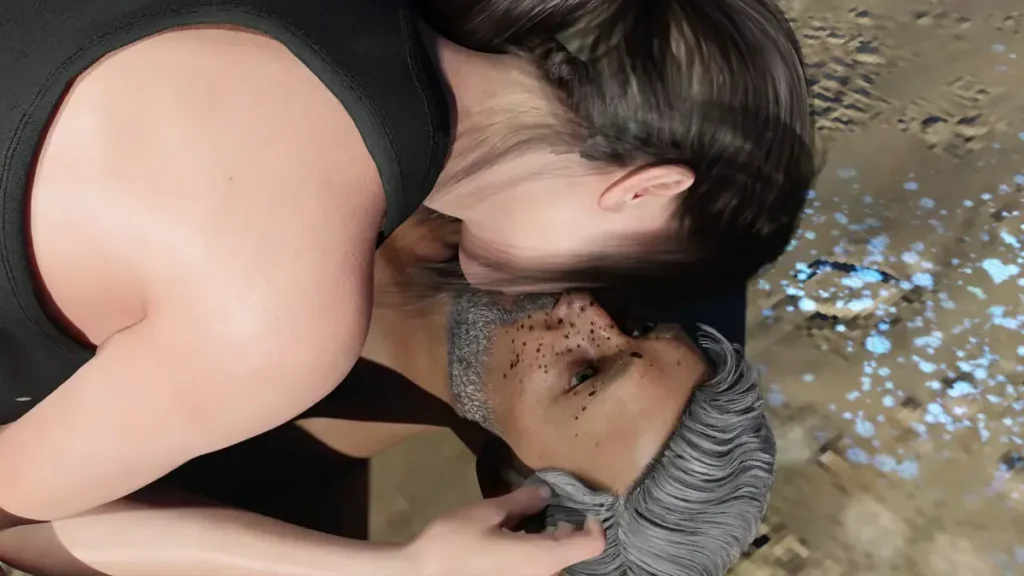
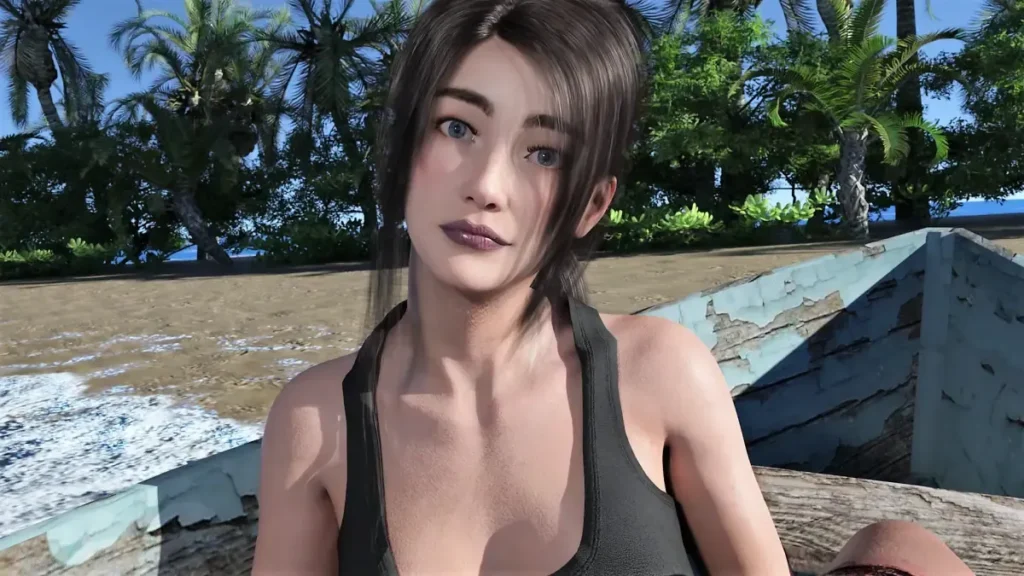
The game’s identity is built on a foundation of rich visual novel mechanics. It uses a classic first-person perspective, where you see the world through the protagonist’s eyes, and the dialogue and narration are your window into their soul. The artwork is consistently high-quality, setting the mood for each scene, from tense confrontations under the palm trees to quieter moments of reflection by the shore. This commitment to atmospheric storytelling is what defines the Lost in Paradise visual novel format and sets a high bar for the genre. It proves that stories for mature audiences can have depth, subtlety, and real emotional consequence.
Key Gameplay Mechanics That Drive Player Engagement
So, how does Lost in Paradise turn reading and clicking into such a captivating experience? 🎮 It all comes down to its brilliantly engineered systems that give you real control. The magic isn’t in flashy graphics or quick-time events; it’s in the quiet power of choice and consequence. After spending dozens of hours exploring every narrative crevice, I’ve pinpointed the core mechanics that make this interactive storytelling game so utterly absorbing.
Here is a list of the key gameplay features and mechanics that form the engine of Lost in Paradise:
- The Weighted Choice System: Every dialogue option and major decision is a fork in the road. These aren’t just “good vs. evil” picks; they’re nuanced, often morally gray, and directly influence character affinity and plot direction.
- The Relationship Web: Characters remember your actions. A kindness shown early can unlock support later, while a betrayal can close off entire story arcs. This web of connections is visually tracked, making your impact clear.
- Resource and Stat Management: Your physical and mental state matters. Decisions can affect your character’s stamina, sanity, or social standing, adding a layer of strategic thinking to the narrative.
- Branching Narrative Pathways: The story doesn’t have one ending; it has many. A single playthrough reveals only a fraction of the total content, encouraging replayability to see how different choices unravel.
- Time and Location Selection: Certain periods of the day and places on the island open up specific events. This mechanic prevents the story from feeling linear and rewards exploration.
- Visual and Audio Cues: Subtle changes in character expressions, music shifts, and environmental sounds provide immediate feedback on the tone of a scene, enhancing immersion without words.
At the core of everything is the choice-based narrative framework. This isn’t an illusion of choice; the branches are real and significant. I learned this the hard way. In one run, I played a cautious, diplomatic survivor, and the story unfolded as a tense drama of alliance-building. In another, I embraced a more reckless, self-interested persona, and the island became a gritty struggle for dominance. The game’s adult visual novel gameplay is built on this agency, making you responsible for the tone and outcome of the narrative.
The interface is a silent champion in this process. Clean and intuitive, it puts all the necessary tools at your fingertips without clutter. Key information—like current relationships, vital stats, and the in-game time—is always accessible. A robust log and backlog feature let you revisit recent text, which is a lifesaver when parsing complex conversations. For newcomers to visual novel mechanics, this thoughtful design lowers the barrier to entry, letting you focus on the story rather than fighting the menu.
One of the most talked-about Lost in Paradise game features is its “Pathway Map.” After completing chapters, this feature unlocks, visually charting the major branches you’ve discovered and hinting at the roads not taken. It’s a brilliant meta-commentary on the branching narrative game structure and a powerful incentive to dive back in. Seeing those unexplored paths lit a fire under me to replay scenes and make different calls, just to see what I’d missed. It turns gameplay into a personal investigation of the story’s possibilities.
| Mechanic | Primary Function | Player Impact |
|---|---|---|
| Dialogue Choices | Directs conversation flow and character perception | Immediate change in scene dynamics; long-term relationship shifts |
| Affinity System | Tracks rapport with each major character | Unlocks unique dialogue, scenes, and potential story endings |
| Stat Checks | Tests character attributes (e.g., Persuasion, Courage) | Gates certain actions or outcomes, rewarding character consistency |
| Save/Load System | Allows for branching exploration | Encourages experimental play to see all narrative avenues |
Pro Tip from a Seasoned Player: Don’t try to “game” the system on your first playthrough. Go with your gut. The most rewarding Lost in Paradise visual novel experience comes from role-playing authentically and living with the consequences. You can always explore alternative paths later! 💡
Narrative Structure and Storyline Elements
If the mechanics are the skeleton, the narrative is the beating heart of Lost in Paradise. ❤️🔥 This is where the game truly shines as a premier interactive storytelling game. The structure is deceptively simple: survive on the island and uncover its secrets. But how that story unfolds is anything but linear. It’s a tapestry woven from your decisions, where every thread can change the pattern.
The story begins with a literal bang—the plane crash—but quickly moves from pure survival to psychological and social exploration. The narrative is divided into distinct “Acts,” each raising the stakes and introducing new mysteries about the island and its inhabitants. This phased approach provides a satisfying rhythm, giving you time to breathe and build relationships before the next major plot twist turns everything on its head. The Lost in Paradise game features a plot that masterfully balances external mystery with internal conflict, ensuring you’re invested in both the “what” and the “why.”
Character development is the engine of this narrative. Each survivor is meticulously crafted with their own fears, desires, and hidden pasts. You don’t just learn about them through exposition; you discover them through shared experiences and your choices. The relationship mechanics are seamless. Helping a character gather medicinal plants might boost their trust, allowing them to confide a crucial secret later that alters your view of the central mystery. This isn’t a simple points system; it’s organic growth. The adult visual novel gameplay elements are fully integrated here, with character intimacy often serving as the culmination of a carefully built emotional connection, not a random reward.
The balance between story-driven content and interactive gameplay is near-perfect. There are moments of pure reading, where the prose sets the scene and develops atmosphere. Then, just as you’re settling into the rhythm, the game presents you with a pivotal choice-based narrative moment. These choices feel significant because the writing has made you care about the outcomes. I recall a late-game decision where I had to choose between two characters’ safety. I sat staring at the screen for a full ten minutes, paralyzed because the game had made both individuals feel real and valuable. That emotional weight is the hallmark of superb visual novel mechanics.
Technically, the game supports this narrative depth beautifully. The user interface is minimalist during key story moments, fading away to let the artwork and text take center stage. The soundtrack is a character in itself, with leitmotifs for different characters and moods that subtly cue you into the subtext of a scene. The ability to fast-forward through previously read text on subsequent playthroughs is a blessing for completionists, making it easy to explore new branching narrative game paths without tedium.
The overarching storyline elements—the island’s strange phenomena, the history of the survivors, the struggle for leadership—are all drip-fed through your interactions. You might piece together the truth from a casual remark in one path and a discovered journal entry in another. This fragmented approach to storytelling makes you an active detective, rewarding careful attention and conversation. It ensures that the Lost in Paradise visual novel experience is intellectually engaging, not just emotionally charged. Every replay feels like a new piece of the puzzle clicking into place.
Frequently Asked Questions About Lost in Paradise’s Gameplay
Q: I’m new to visual novels. Is Lost in Paradise too complex to start with?
A: Not at all! While it has deep systems, its tutorial and intuitive interface are excellent guides. Start by following the story naturally, and you’ll learn the visual novel mechanics as you go. It’s a fantastic introduction to the depth of choice-based narrative games.Q: How much does my choices actually matter? Is it just an illusion?
A: Your choices matter immensely. This is a true branching narrative game with multiple, vastly different endings and hundreds of smaller scene variations. Characters will react, remember, and the plot will diverge based on your key decisions.Q: What’s the balance between the story and the adult content?
A: The mature content is narrative-driven. It arises from character relationships and story progression, serving the plot rather than interrupting it. This integrated approach is what defines the adult visual novel gameplay in Lost in Paradise, making it feel earned and meaningful.Q: How long is a typical playthrough, and is replayability encouraged?
A: A single, focused playthrough can take 10-15 hours. However, to see a significant portion of the content, multiple playthroughs are essential—and highly encouraged! The game’s design, with its locked pathways and hidden scenes, is built for replayability.Q: Are there any “game over” states, or can I always continue the story?
A: While there are definitive endings (both good and bad), the game rarely halts progress abruptly. It uses its interactive storytelling game framework to ensure most choices lead to a continued, if altered, narrative. You can save freely, allowing you to explore risky decisions.
Ultimately, Lost in Paradise stands as a testament to the power of player-driven stories. It’s a game that trusts you with its narrative heart and rewards you with an experience that feels uniquely yours. From its robust visual novel mechanics to its emotionally charged branching narrative game design, every feature is crafted to pull you deeper into its paradisiacal yet perilous world. Whether you’re a genre veteran or a curious newcomer, the Lost in Paradise visual novel offers a rich, compelling journey where your voice truly shapes the destiny of an island—and its lost souls.
Lost in Paradise stands out in the adult visual novel market through its commitment to engaging storytelling and meaningful player choice. The game’s narrative-focused approach, combined with interactive gameplay mechanics, creates an experience that appeals to players seeking depth beyond surface-level content. Understanding the game’s core features, narrative structure, and gameplay systems helps players appreciate what makes it a compelling entry in the visual novel genre. Whether you’re exploring adult games for the first time or looking for your next immersive story-driven experience, Lost in Paradise offers a unique blend of narrative engagement and interactive decision-making that keeps players invested throughout their playthrough.