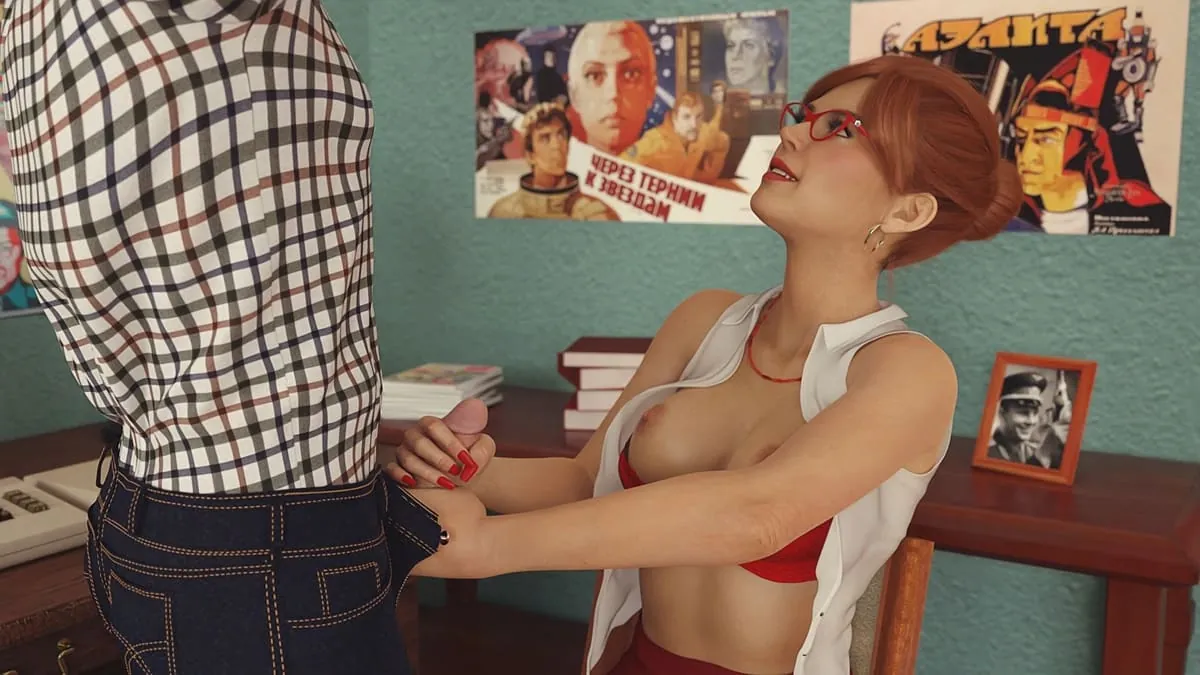
RSSU – Retro Style Soviet Undies – Case#1 Ithaca Project
Play RSSU – Retro Style Soviet Undies – Case#1 Ithaca Project
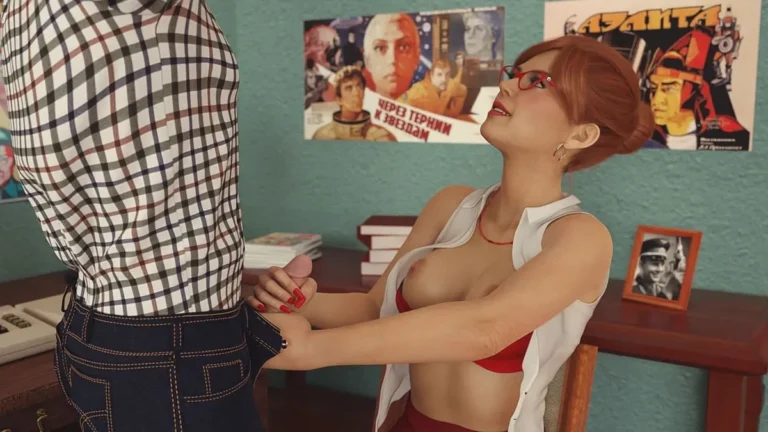
RSSU – Retro Style Soviet Undies – Case#1 Ithaca Project Screenshots

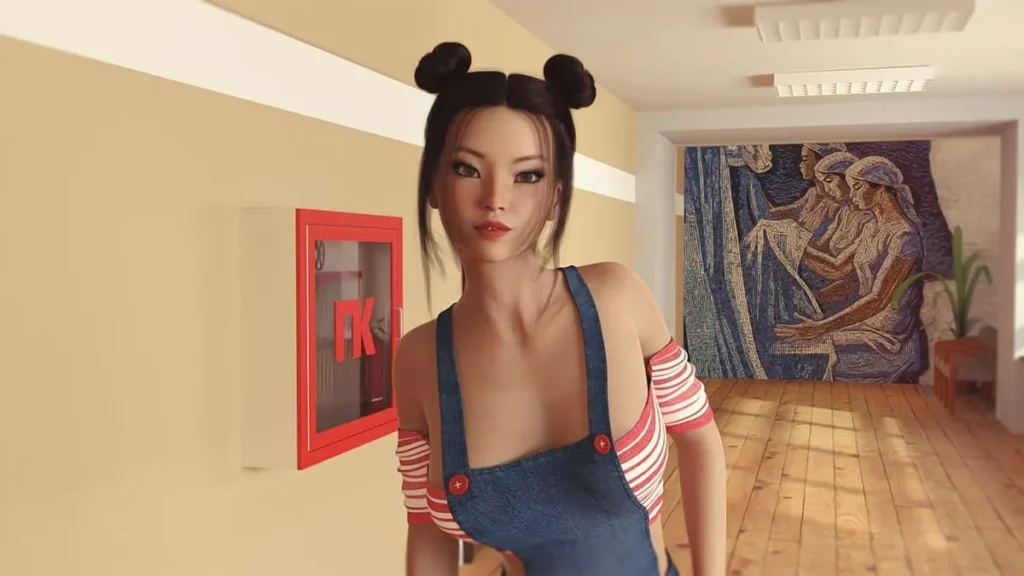

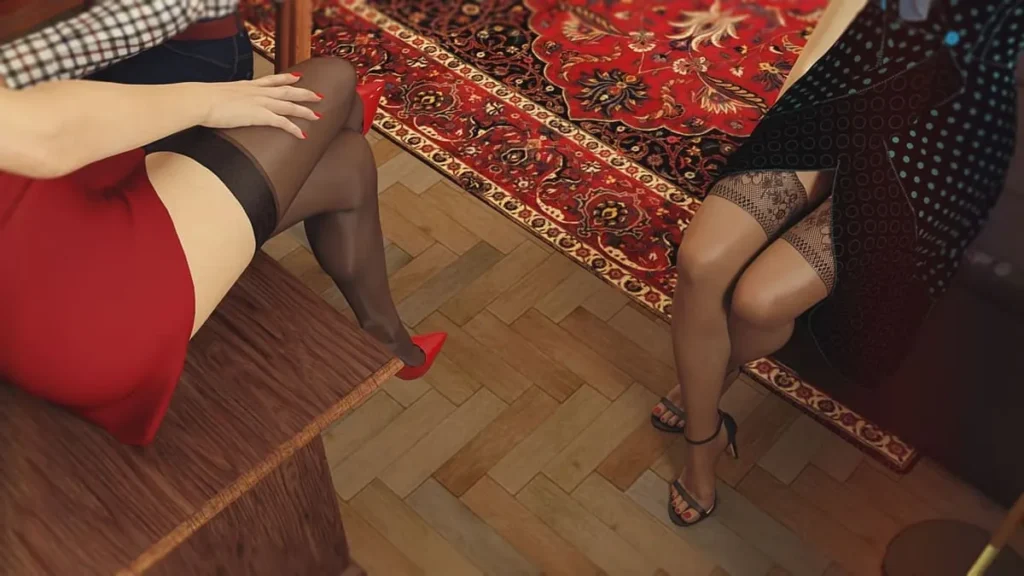
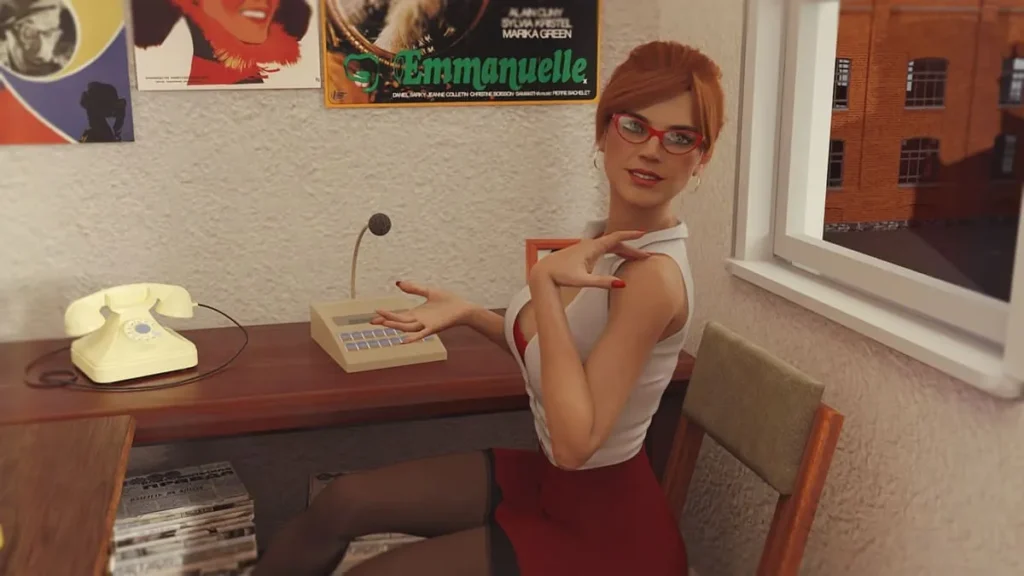

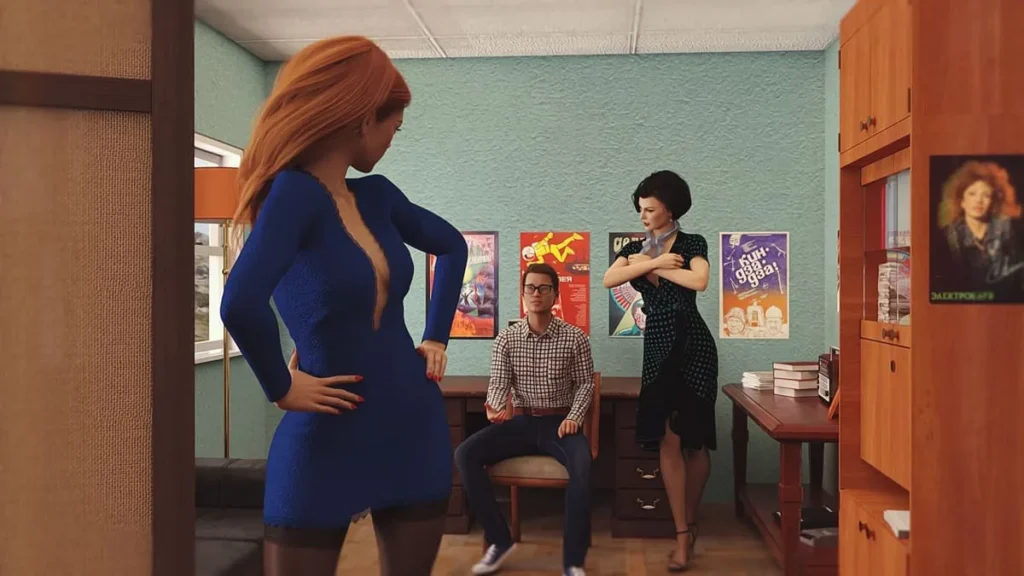

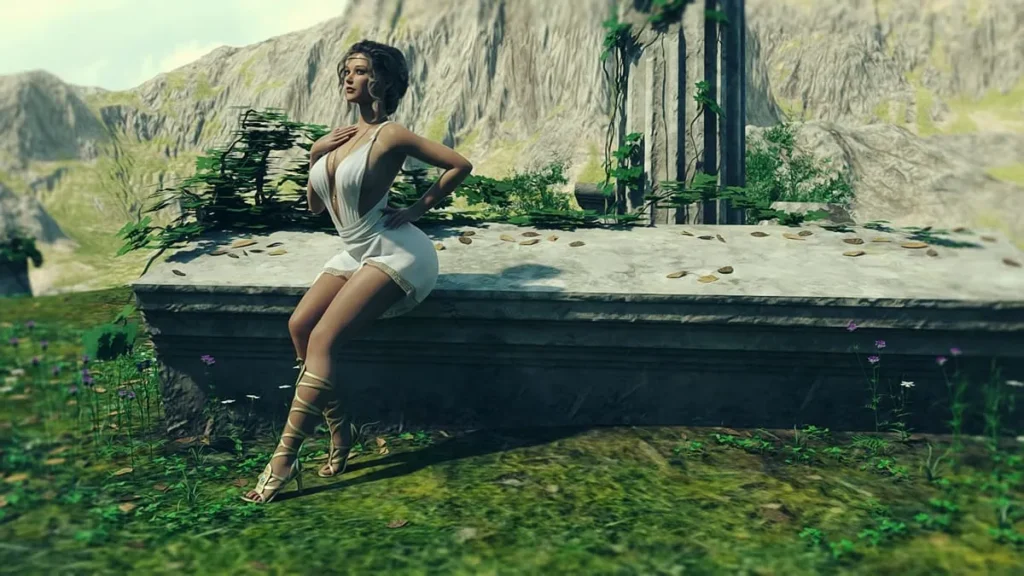
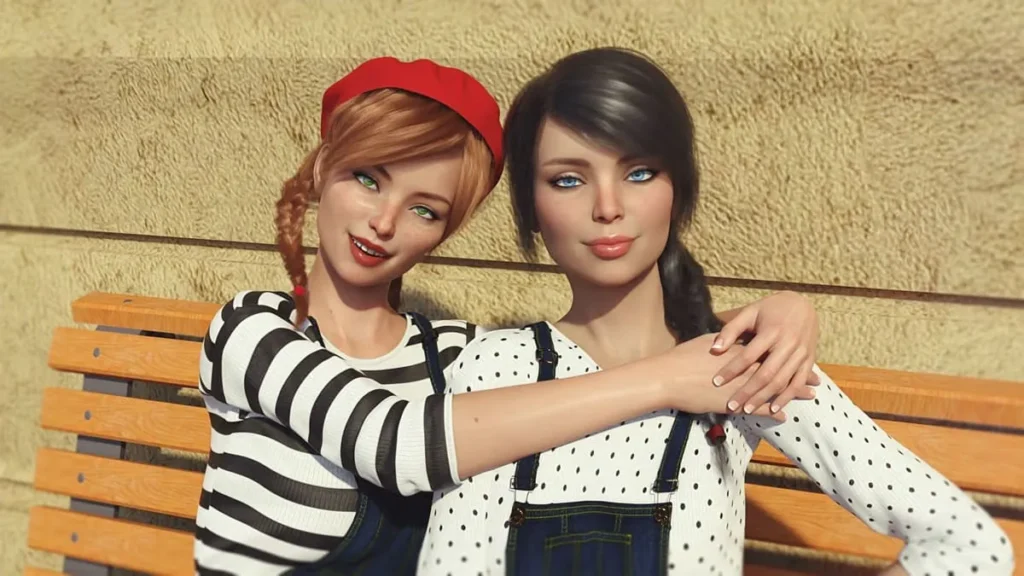
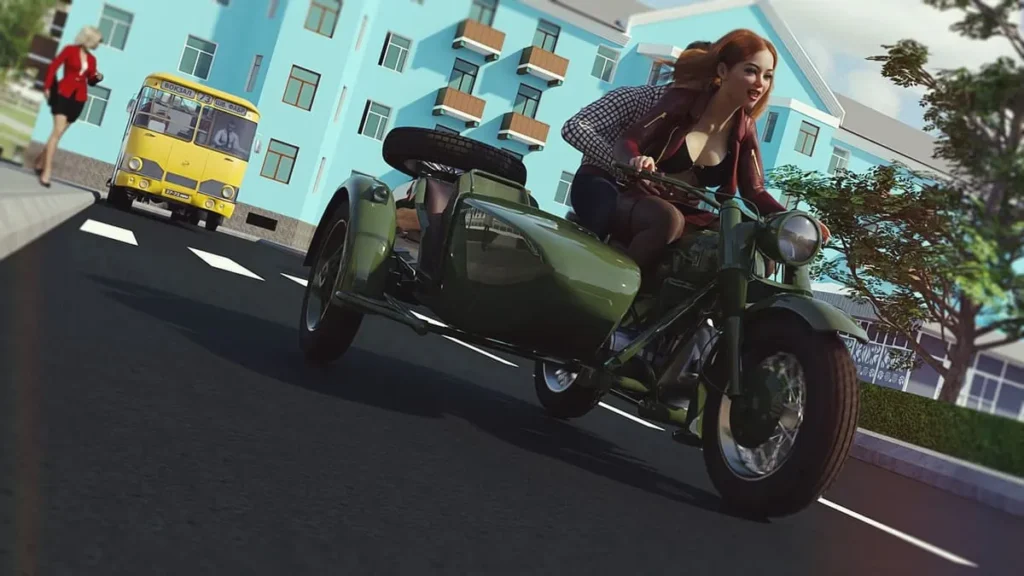
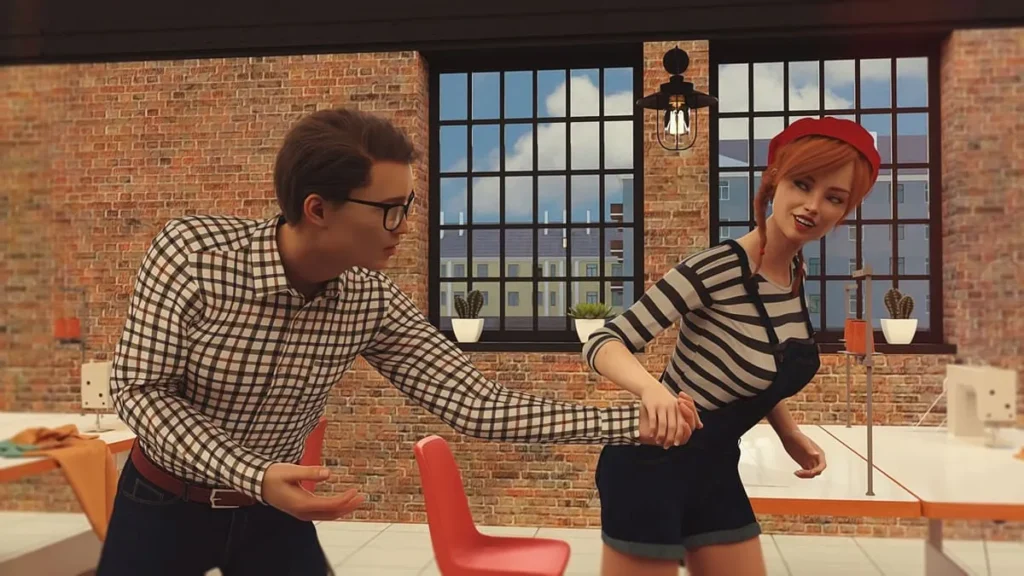
RSSU – Retro Style Soviet Undies – Case#1 Ithaca Project review
Exploring the Unique 80s Soviet-Themed Visual Novel Experience
RSSU – Retro Style Soviet Undies – Case#1 Ithaca Project is a distinctive visual novel set in the USSR during the 1980s, blending nostalgic retro aesthetics with an engaging narrative. This game offers players a quirky and immersive experience as they follow a young graduate navigating both career challenges and unexpected personal encounters. If you appreciate unique storytelling combined with a vintage Soviet atmosphere, this game presents a fresh take on the genre that’s worth exploring.
Immersing in the 80s Soviet Setting of RSSU – Retro Style Soviet Undies
Let me tell you, stepping into the world of RSSU – Retro Style Soviet Undies – Case#1 Ithaca Project feels less like launching a game and more like activating a time machine. 🕰️ You’re not just reading a story; you’re being deposited, with startling clarity, into the final, curious years of the Soviet Union. The genius of this visual novel Soviet theme isn’t in grand historical declarations, but in the quiet, pervasive accumulation of detail. It’s a masterclass in environmental storytelling, where every faded poster, every synth-heavy soundtrack cue, and every awkwardly charming line of dialogue works in concert to build an utterly convincing Soviet Union 1980s setting. This chapter is all about peeling back the layers of that world. We’ll explore how the game’s devotion to its era creates an atmosphere so thick you can almost taste the stale cafeteria kompot.
How Does the Game Capture 1980s Soviet Culture?
The portrayal of 80s Soviet culture in RSSU isn’t a caricature or a simple backdrop of hammer and sickle flags. It’s a lived-in, sometimes mundane, and deeply human experience. The developers have meticulously recreated the specific texture of late-80s USSR life—a period of stagnation, whispered rumors of change, and a unique pop-culture limbo between East and West.
The narrative itself is steeped in the bureaucratic and scientific milieu of the time. As an engineer arriving at the secretive “Ithaca” facility, you navigate a world of five-year plans, communal living, and the eerie normalcy of life within a closed scientific institute. The dialogue captures that particular Soviet blend of formality, dry humor, and coded meaning. Characters don’t just speak; they navigate the unspoken rules of their society. This attention to the social fabric is central to understanding how does RSSU depict USSR 80s. It shows the era through the eyes of ordinary (if exceptionally clever) people going about their oddly extraordinary lives.
Where the game truly shines is in its use of authentic artifacts. Here’s a breakdown of some key cultural touchstones you’ll encounter:
| Cultural Element | Real-World 1980s USSR Reference | How RSSU Incorporates It |
|---|---|---|
| Technology & Media | Agat computer clones, Elektronika video games, vinyl records of “VIA” pop groups. | Characters interact with period-accurate computers; the soundtrack features authentic Soviet synth-pop and chiptune melodies that would play on such systems. |
| Fashion & Appearance | Deficit (shortage) fashion, East German jeans, functional workwear, specific hairstyles. | Character designs perfectly reflect the limited, often practical clothing choices, contributing hugely to the retro Soviet aesthetic game feel. |
| Daily Life & Environment | Panel apartment blocks (Khrushchyovka), generic food packaging, propaganda posters, ubiquitous tea drinking. | Background art is filled with these details. Scenes in apartments, corridors, and workspaces feel authentically cluttered and lived-in. |
| Social Atmosphere | A sense of “waiting,” informal networks for obtaining goods, a mix of pride and weariness. | Plot and character motivations are directly fueled by this unique social mood—the desire for something more, within a system that offers little. |
This isn’t just set dressing; it’s the soul of the experience. I remember one scene where a character meticulously prepares a simple meal with the limited ingredients available, while complaining about a queue for oranges. It’s a tiny moment, but it did more to sell me on the RSSU game atmosphere than any monologue about economics could. It’s these slices of life that make the 80s Soviet culture in RSSU feel researched, respected, and remarkably genuine. 🏢
What Role Does the Retro Aesthetic Play in Gameplay?
In most games, aesthetics are a skin. In RSSU – Retro Style Soviet Undies – Case#1 Ithaca Project, the retro Soviet aesthetic game philosophy is a core mechanic of immersion. It directly shapes how you, the player, perceive information and engage with the world. This isn’t a sleek, modern interface; it’s a deliberately coarse, pixelated, and analogue experience that mirrors the technology of its setting.
Think about the visual presentation. The pixel art isn’t just a stylistic choice to evoke nostalgia; it’s a filter that perfectly suits the subject matter. It strips away unnecessary modern polish, leaving a raw, slightly gritty visual tone that feels perfectly aligned with the decaying concrete and utilitarian design of the era. When you look at a character sprite, the limited color palette and simple animations echo the graphic design of 80s Soviet posters and television. This consistent visual language is crucial for maintaining the RSSU game atmosphere.
Then there’s the soundscape. Oh, the soundscape! 🎹 The music is a brilliant mix of melancholic Soviet-era synth, energetic disco-inspired tracks from “Radio Yerevan,” and chiptune bleeps that sound ripped straight from an Elektronika game console. This audio backdrop does more than set a mood—it actively tells you about the space you’re in. A scene in a secret lab might have a cold, atmospheric drone, while a moment in a character’s private room switches to a cassette tape recording of a popular band. You’re not just hearing music; you’re hearing the cultural soundtrack of these characters’ lives.
Most importantly, this aesthetic builds trust. When every element—from a flickering fluorescent light in a hallway to the specific model of a rotary phone—feels researched and intentional, you stop questioning the world and start living in it. You accept the reality of the story because the environment selling it is so utterly coherent. The retro Soviet aesthetic game approach in RSSU is a bridge, built pixel by pixel and note by note, that reliably transports you to its particular moment in time.
How Does the Setting Influence the Story and Characters?
The Soviet Union 1980s setting in RSSU is not a passive stage. It is an active, relentless force that molds every aspect of the narrative and defines every character you meet. The plot of Case#1 Ithaca Project could not happen anywhere else, anytime else. It is a story born from the specific pressures, dreams, and absurdities of that time and place.
First, consider the characters. Their personalities, aspirations, and even their flaws are direct products of their environment. The protagonist’s journey as an engineer is laden with the period’s specific professional challenges—navigating opaque bureaucracy, working with chronically delayed resources, and balancing ideological expectations with practical problem-solving. The romance and relationship dynamics are filtered through a lens of communal living, limited privacy, and a society with very different norms around personal expression. The depiction of Soviet fashion in games here is a great example: a character’s choice of a slightly more fashionable jacket or a smuggled Western accessory isn’t just a visual detail; it’s a silent statement about their personality, their connections, or their rebellious streak.
The setting provides the core conflict. The mystery at the heart of the “Ithaca” project is deeply entangled with the era’s climate of state secrecy, scientific ambition for national prestige, and the underlying fear of falling behind. The tension between collective duty and individual desire, so central to the story, is a quintessentially Soviet dilemma. The game cleverly uses the visual novel format to let you explore these tensions through dialogue choices. Will you parrot the official line, or will you risk a more personal, skeptical question? Your choices feel weighty because they are made against the very real, unspoken backdrop of societal consequence.
The true magic of RSSU’s setting is how it makes the universal feel particular. Themes of love, ambition, and discovery are timeless, but here they wear a very specific wool coat and solve problems on a laggy, green-screen computer.
In the end, the Soviet Union 1980s setting does the most important job a setting can do: it makes the story inevitable. As you play, you come to understand that these characters, with all their quirks and passions, are who they are because of the world they inhabit. The fading red ideology, the whispers of rock music from beyond the Iron Curtain, the smell of industrial cleaner in the institute halls—it all seeps into the narrative DNA. Exploring this unique 80s Soviet culture in RSSU offers more than a history lesson; it provides a profound, empathetic understanding of how a place and a time can shape the human heart. ❤️🔥 It turns a visual novel into a poignant, pixelated postcard from a world that is both strangely foreign and deeply relatable.
RSSU – Retro Style Soviet Undies – Case#1 Ithaca Project stands out as a unique visual novel that skillfully combines a nostalgic 1980s Soviet setting with engaging storytelling and character-driven gameplay. Its attention to period detail and retro style creates a compelling atmosphere that draws players into its world. Whether you’re a fan of visual novels or intrigued by the Soviet era, this game offers a refreshing and entertaining experience. Dive in and explore the quirky charm of RSSU for yourself.