
The Sin Within
Play The Sin Within
The Sin Within Screenshots
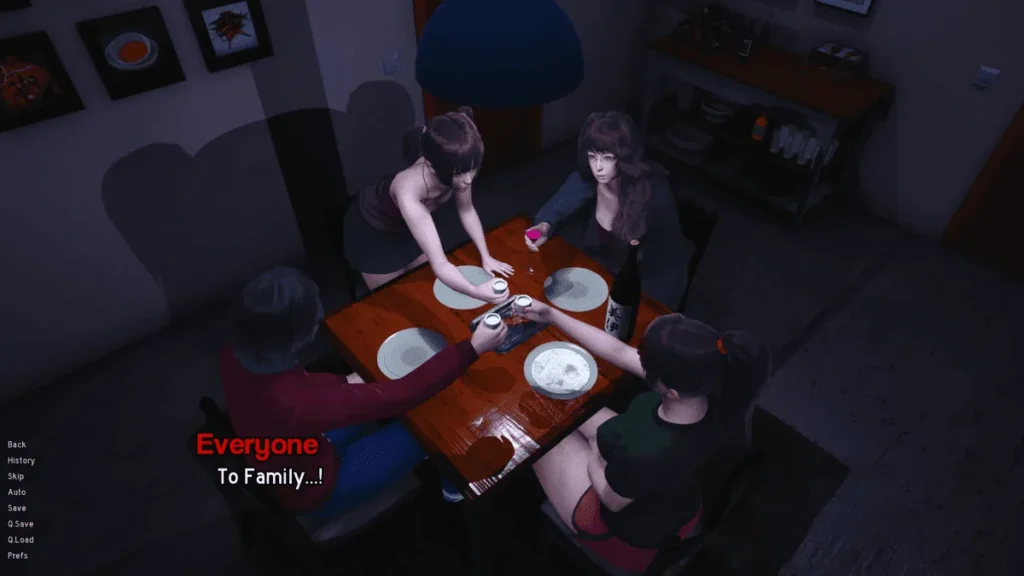
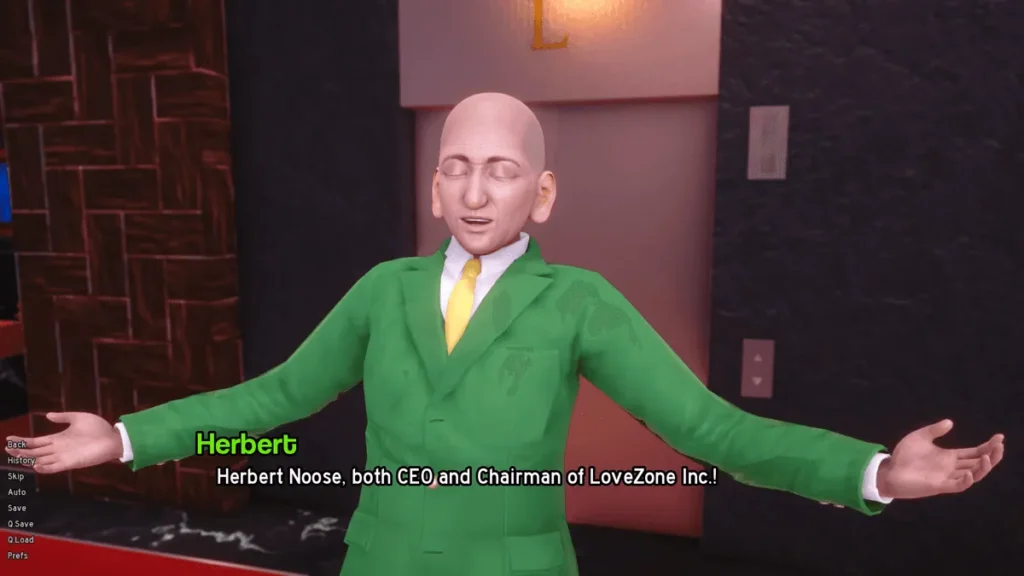
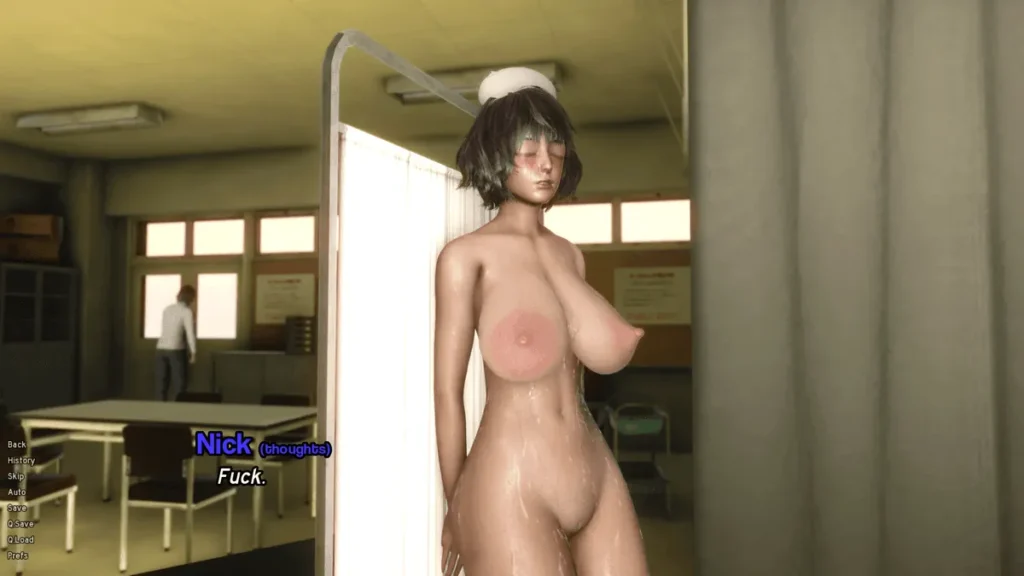
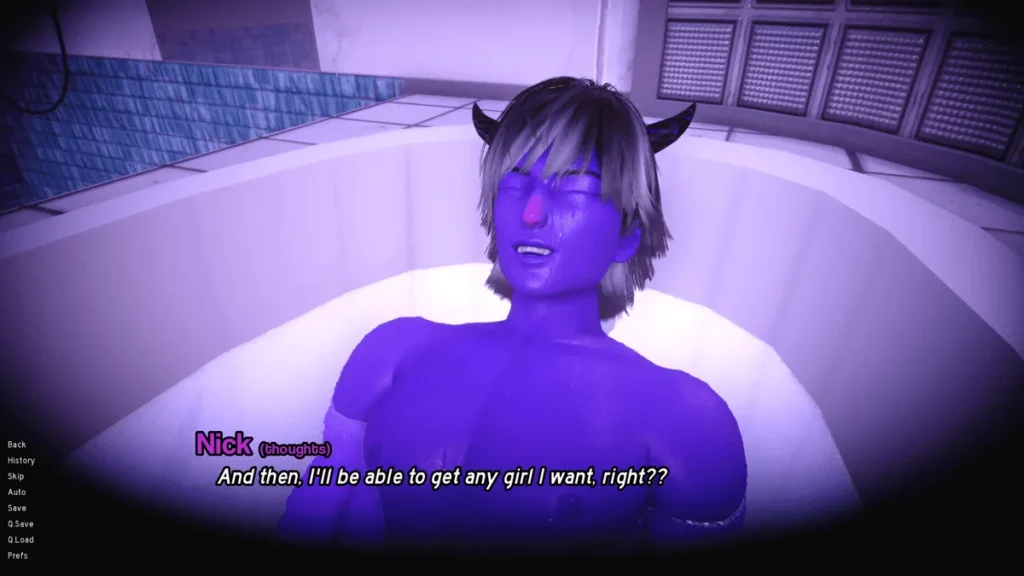
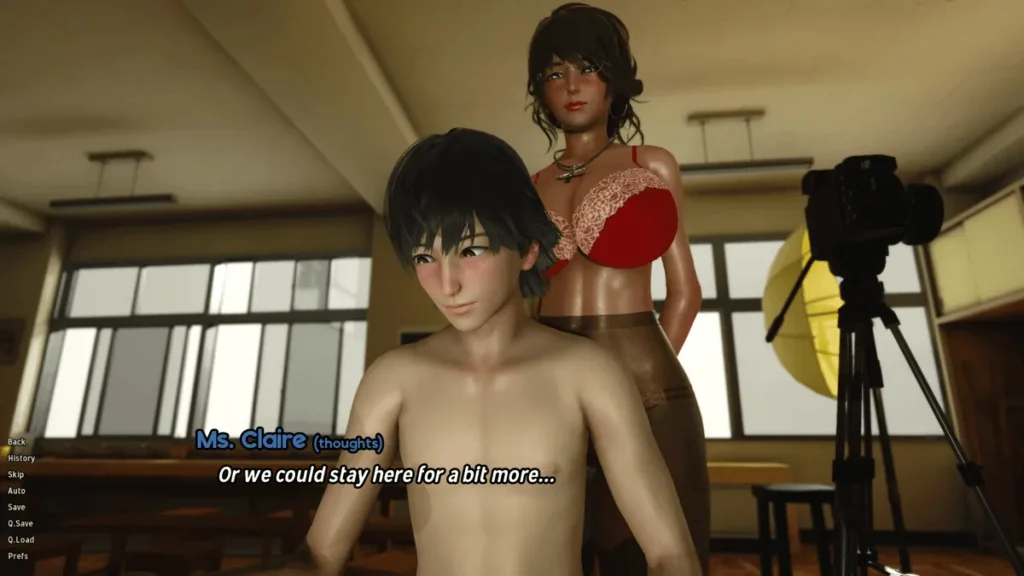
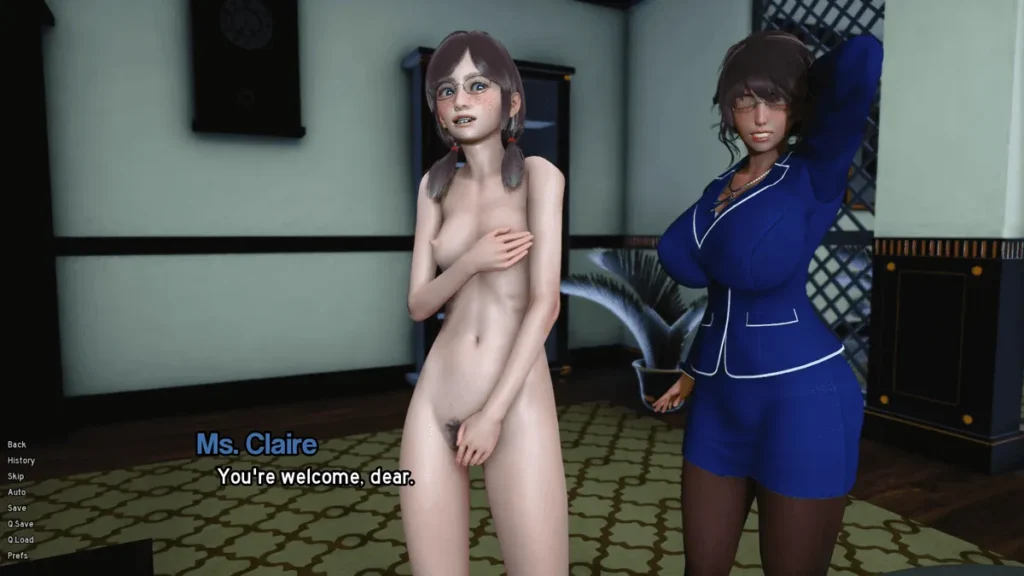
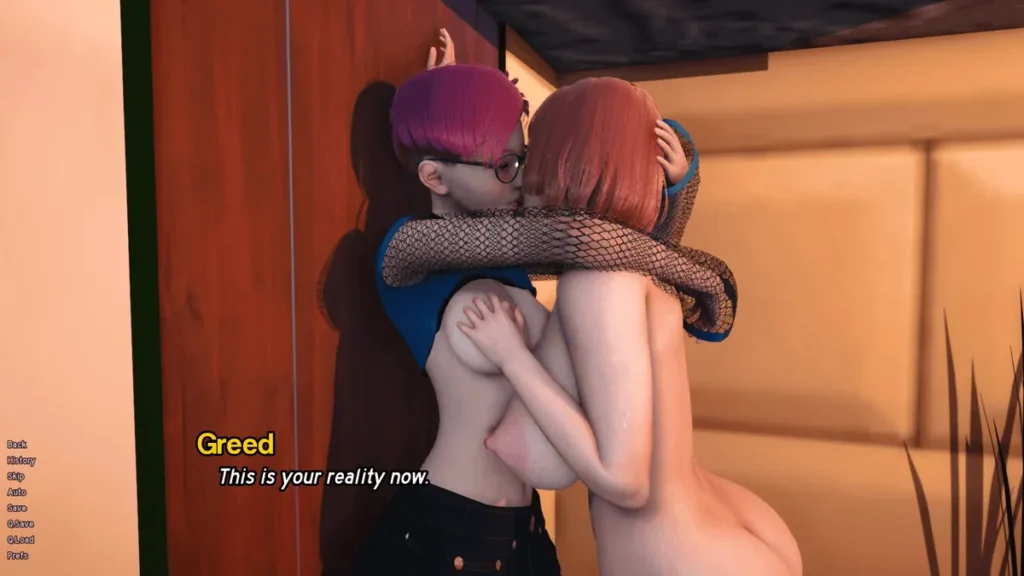
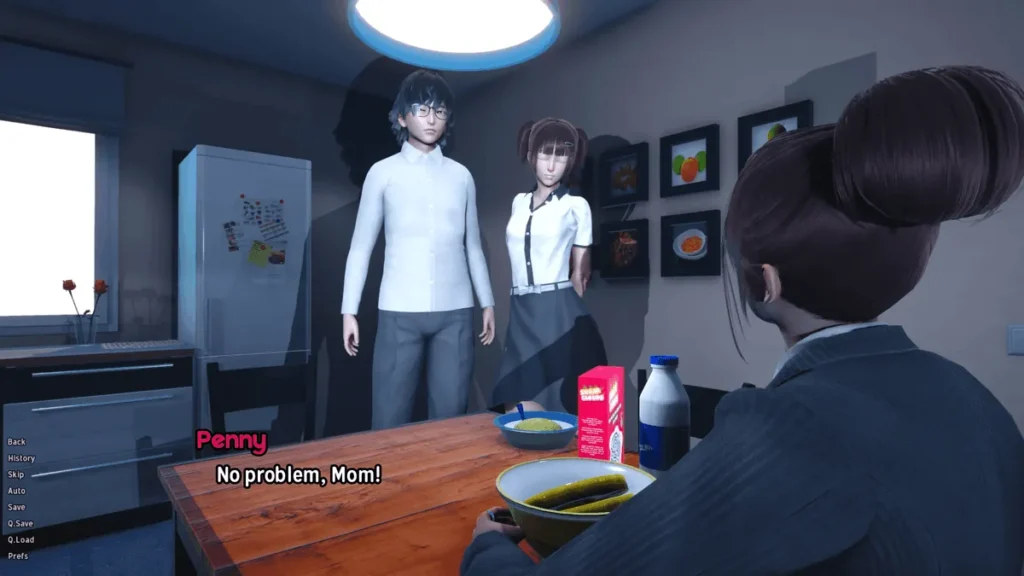
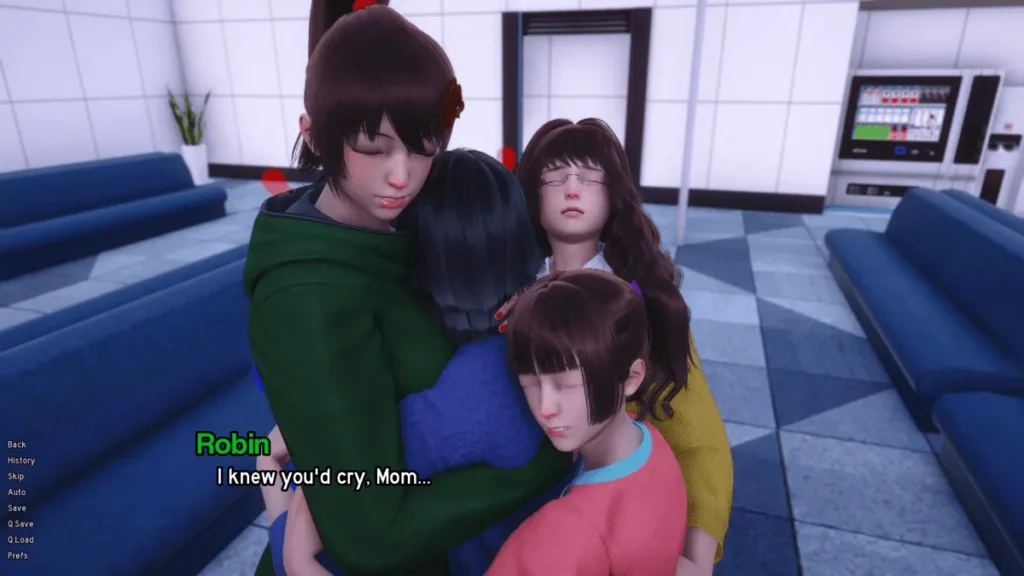
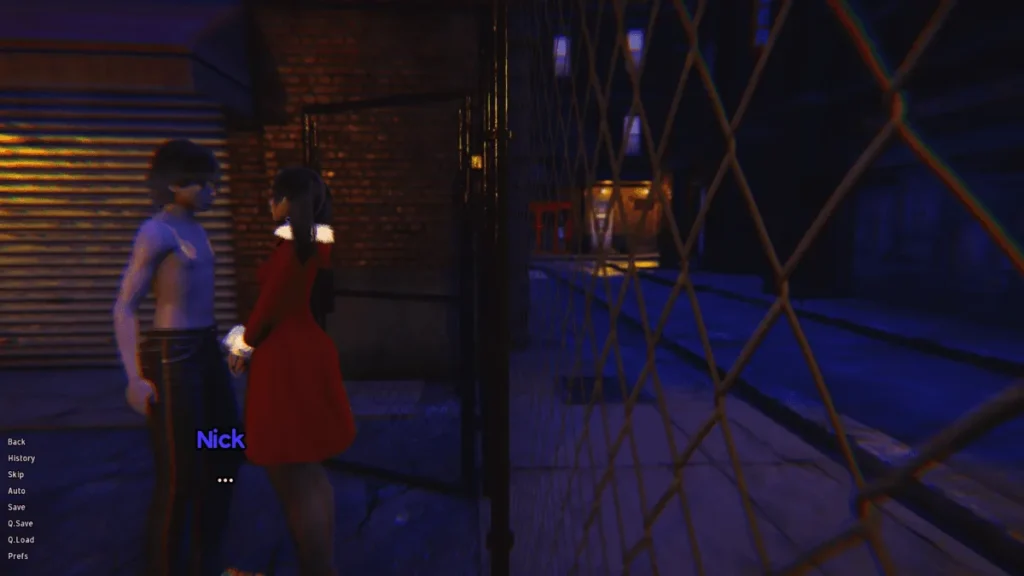
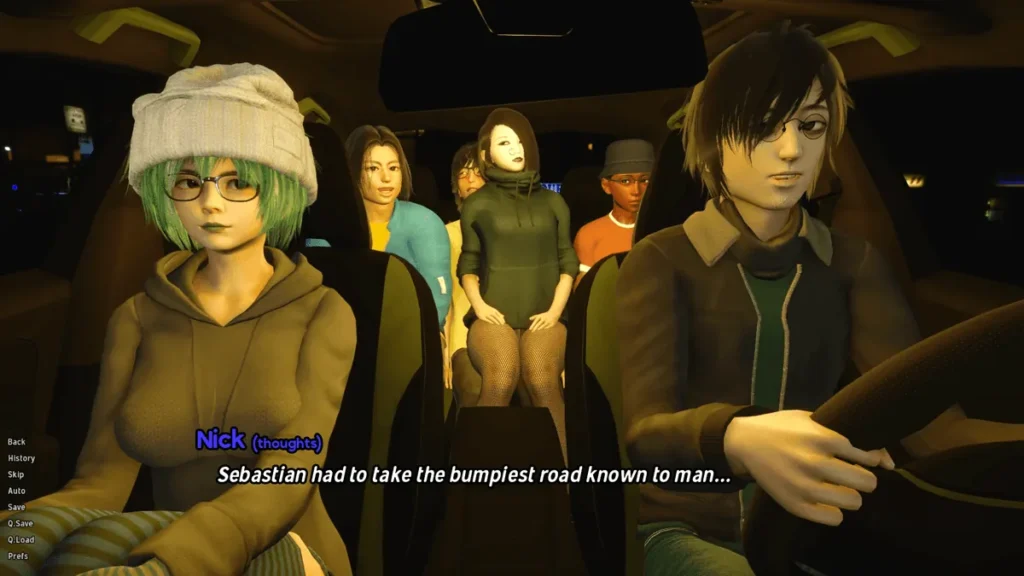
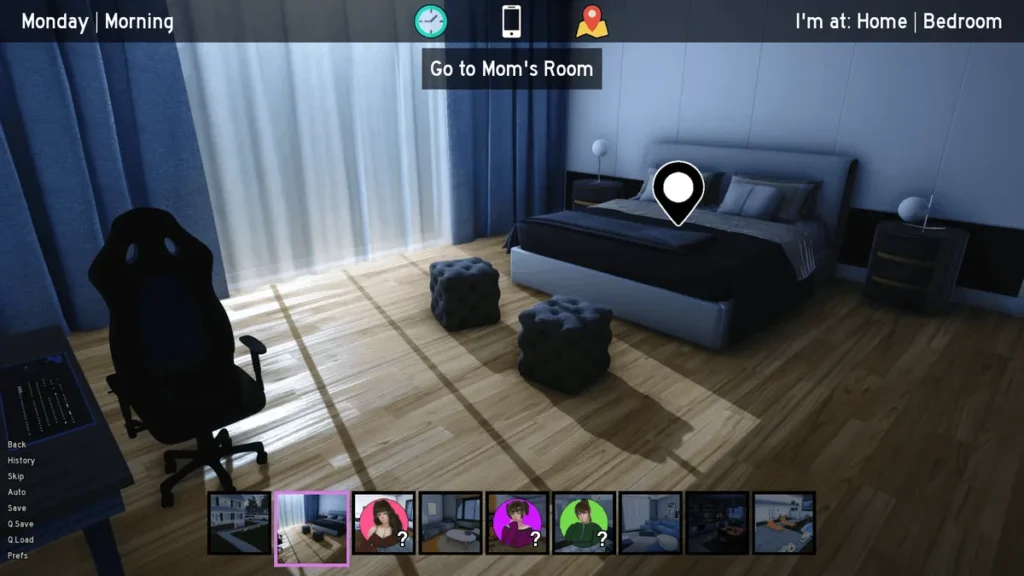
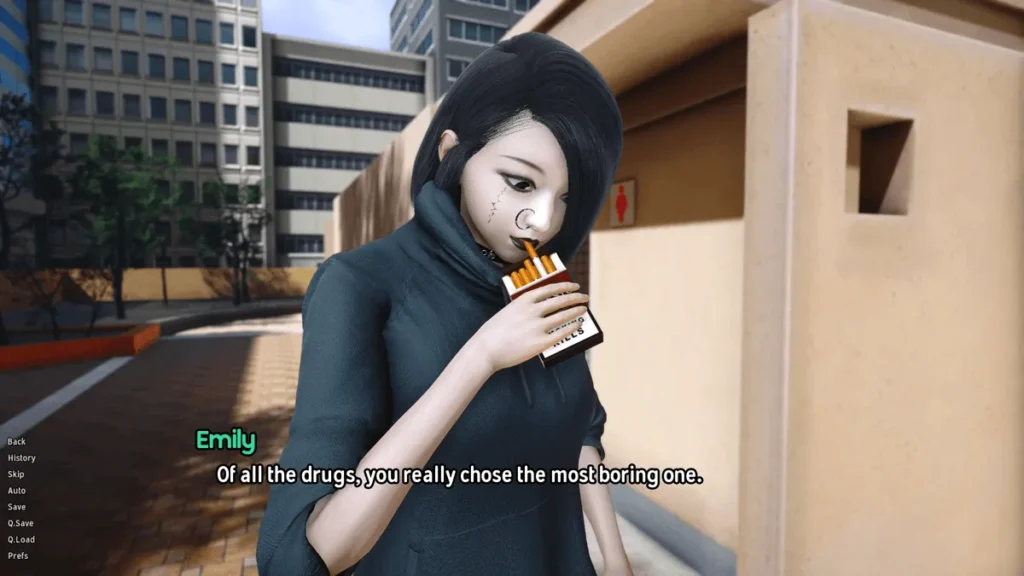
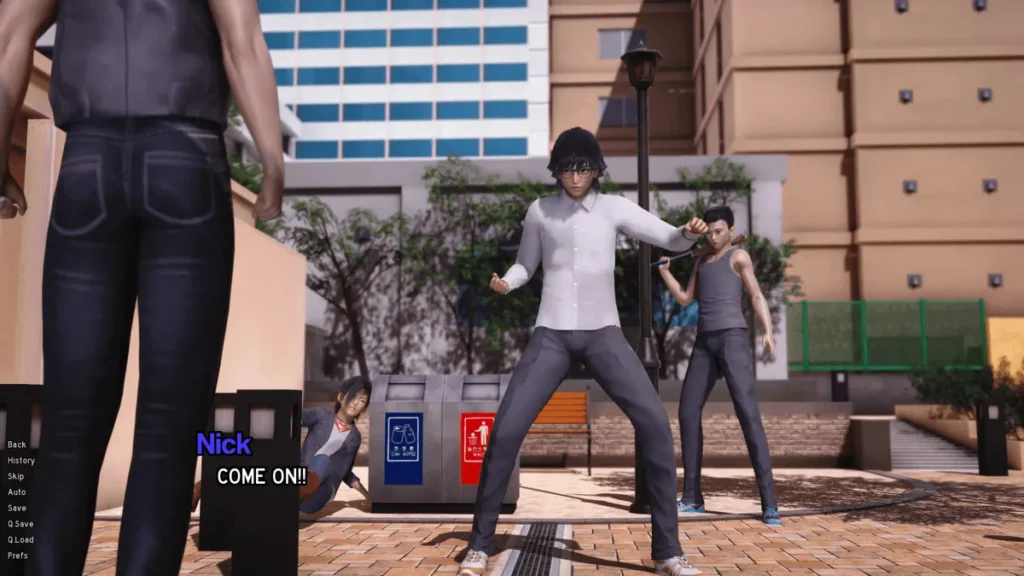

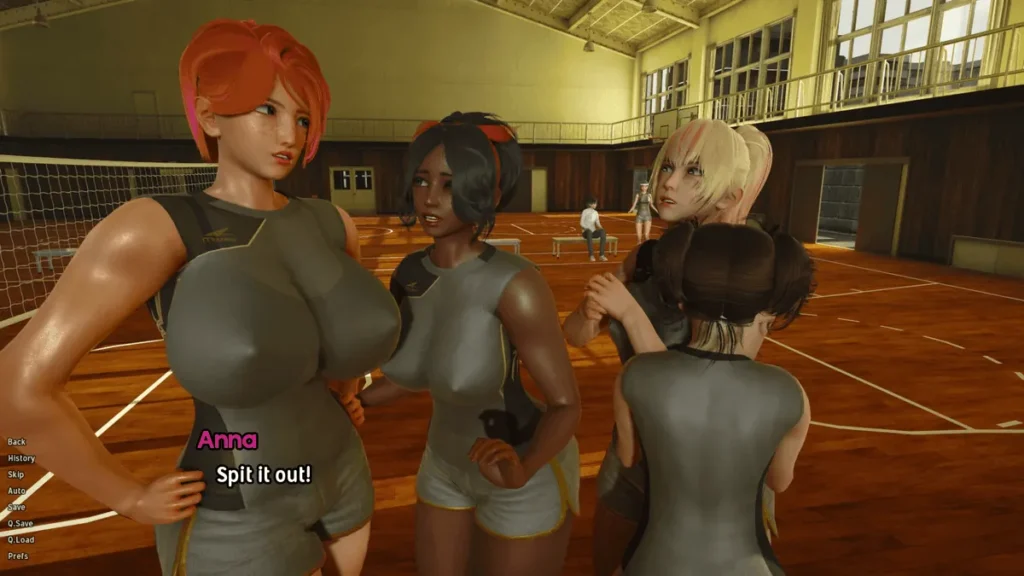
The Sin Within review
Explore mechanics, narrative elements, and player experience of this controversial interactive title
The Sin Within stands as a unique interactive experience that blends narrative-driven gameplay with mature themes and player choice mechanics. This game has garnered attention for its unconventional approach to storytelling and its willingness to explore adult content within an interactive framework. Whether you’re curious about the gameplay mechanics, the narrative structure, or what makes this title distinctive in the gaming landscape, this comprehensive guide covers everything you need to know about The Sin Within’s features, design philosophy, and player reception.
Understanding The Sin Within: Game Overview and Core Mechanics
Ever booted up a game expecting one thing and getting… something else entirely? 😳 That was my exact experience with The Sin Within. I went in thinking it was a standard, gritty action title, but what I found was a deeply personal, often uncomfortable, mirror held up to my own decisions. It’s not just a game you play; it’s an experience you navigate, where every button press carries a weight I rarely feel in digital worlds.
This chapter is your guide to understanding that unique pull. We’re going to peel back the layers of The Sin Within gameplay mechanics, explore its bold interactive game design, and see how its heart-pounding combat system in The Sin Within is intricately tied to a powerful, branching The Sin Within story. If you’re curious about what makes this controversial title tick, you’re in the right place. Let’s dive in. 🎮
What Makes The Sin Within a Unique Interactive Experience?
Forget everything you know about linear stories. 🚫 The Sin Within throws the traditional playbook out the window. What distinguishes it immediately is its foundational philosophy: interactive storytelling game design isn’t a feature here; it’s the entire point. This isn’t a movie you occasionally control; it’s a world that morphs, bends, and sometimes breaks based on your actions.
The game’s most talked-about aspect is its handling of mature themes. It doesn’t just show you difficult content; it makes you an active participant in it. This is where its interactive game design becomes truly provocative. You aren’t a passive observer watching a cutscene—you are the one pressing the button to open that door, to choose that dialogue option, to engage in that violent act. The game famously employs a dynamic consent and content warning system. Before certain pivotal moments, it will explicitly ask if you wish to proceed, outlining what you might encounter. This isn’t about shielding the player; it’s about implicating them. It forces a moment of reflection: “Do I want to see this? Do I want to do this?” That moment of choice, before the choice even happens in the game world, is genius and deeply unsettling.
I remember one late-night session where I was presented with such a prompt. My curiosity warred with my discomfort. I said yes. What followed wasn’t just a visual sequence; it was a cascade of narrative consequences that made me regret my voyeuristic choice for the next several hours of play. That’s the power of its design. It makes the player choice mechanics feel less like picking a branching path in a story and more like making a genuine moral (or immoral) decision with real digital fallout. Your relationship with the characters, the environments you can access, and even the core The Sin Within story itself are fluid, changing based on your willingness to engage with the darkness.
Core Gameplay Mechanics and How They Work
At its functional heart, The Sin Within is a blend of exploration, tense interaction, and visceral combat. But none of these systems exist in a vacuum. They are all strands of the same rope, pulling you deeper into its world. Let’s break down the The Sin Within gameplay mechanics.
Exploration & Interaction: The world is your primary interface. You play as Leo, a man trapped in a decaying, surreal cityscape that reflects the inner turmoil of its inhabitants. Progress is often gated not by keys or switches, but by understanding the environment and its symbolic logic. You’ll examine disturbing artwork, listen to fragmented audio logs, and interact with objects that seem mundane but are dripping with narrative significance. The interactive game design shines here, as every examined item or triggered event feeds back into your understanding of Leo’s psyche and the world’s rules.
The Combat System in The Sin Within: This isn’t about fluid combos or unlocking flashy skills. Combat is clumsy, desperate, and deeply impactful. Resources like ammunition and medical supplies are brutally scarce. Every encounter is a risk-reward calculation: “Do I use my last two bullets on this threat, or try to sneak past and save them for something worse?” The controls are intentionally weighted and somewhat unforgiving, making each victory feel earned and each death a lesson in resource management. The combat system in The Sin Within is less about empowerment and more about survival, perfectly matching the game’s oppressive tone. When you do engage, it’s brutal and quick, leaving you shaken rather than triumphant.
The Heart of It All: Player Choice Mechanics: This is the engine of the game. Choices are rarely presented as obvious “Good vs. Evil” dialogue wheels. Instead, they are woven into the fabric of gameplay. Will you spare a sobbing enemy or put them down for good? Do you take a precious resource from someone who clearly needs it more? Do you investigate a disturbing noise or hide until it passes? These decisions are logged in a hidden “karma” system that doesn’t give you a morality score, but quietly alters everything: character interactions, available pathways, enemy density, and even the game’s ending sequences. This seamless integration is what defines its narrative-driven gameplay—the story isn’t something that happens to you between gameplay segments; it’s something you actively build (or destroy) with every action.
To visualize how these systems interplay, here’s a breakdown:
| Gameplay Pillar | Core Mechanics | Narrative Impact | Player Interaction Type |
|---|---|---|---|
| Combat & Survival | Resource-scarce shooting, melee, stealth avoidance, desperate healing. | Determines Leo’s perceived brutality; affects enemy behavior and certain character fates. | Direct, high-stakes action with immediate consequences. |
| Exploration | Environmental investigation, audio log collection, symbolic puzzle-solving. | Unlocks deep lore, reveals character backstories, and provides context for the world’s decay. | Slow, contemplative, and discovery-driven. |
| Dialogue & Choices | Contextual dialogue trees, silent actions (spare/kill, take/leave), moral prompts. | Directly shapes relationships, opens or closes story branches, defines the ending. | Reflective, character-defining decision-making. |
| World Interaction | Using items in the environment, triggering scripted events, responding to content warnings. | Alters the game’s tone and pacing; can trigger unique narrative sequences or psychological effects. | Atmospheric and often experimental, blurring player and character agency. |
Narrative Structure and Player Agency
If the mechanics are the body, the narrative is the soul—and it’s a fractured, compelling one. 🧩 The Sin Within story is not a straight line from A to B. It’s a web of memories, hallucinations, and grim realities seen through the eyes of Leo, our profoundly unreliable protagonist. The objective seems simple at first: survive and escape the city. But the true objective, which the game slowly reveals, is to understand how Leo’s own past sins sculpted this hellscape.
This is where narrative-driven gameplay achieves its peak. The world itself is a narrative device. A blood-stained corridor might shift into a memory of Leo’s childhood home. A monstrous enemy might morph into a familiar face mid-fight. The game constantly asks: what is real, and what is a manifestation of guilt? Your player choice mechanics directly influence how this story unravels. Being violent might make the world more hostile and the monsters more aggressive, reflecting Leo’s descent. Showing mercy or seeking understanding might reveal calmer paths and more coherent, if no less tragic, story beats.
Character interactions are minimal but heavy with meaning. You’ll only meet a handful of other survivors, and each relationship is a delicate balancing act. One playthrough, I tried to be a pragmatic leader, making hard choices for the “greater good.” By the end, my companions feared me. Another time, I played with empathy and sacrifice, and was met with loyalty that opened up entire story sequences I’d missed before. The game has multiple endings, not just one “good” and one “bad,” but a spectrum of conclusions that feel like direct results of the person you chose to let Leo become.
The balance between exploration, combat, and narrative is masterful. You might spend 20 minutes in tense silence, exploring an abandoned hospital and piecing together a tragic story through notes, only to have the combat system in The Sin Within jolt you into a frantic, 60-second fight for your life. These shifts in pace keep you permanently off-balance, which is exactly the emotional state the game wants you in. It’s a brilliant example of an interactive storytelling game where every design element, from the clunky combat to the haunting environments, serves the central goal of telling a personal, mutable story.
Tip from my playthrough: Don’t rush. The most profound narrative beats in The Sin Within are often hidden in quiet corners, in the documents you read, and in the moments you choose to observe rather than act. Your patience is a key part of the interactive game design.
Frequently Asked Questions
Q: How punishing is the game? If I make a “bad” choice, am I stuck with it?
A: The game is designed to make you live with your choices, which is part of its core philosophy. There’s no quick-loading to try different dialogue options without consequence. Major narrative branches are permanently locked in based on key decisions. This reinforces the weight of your actions and makes each playthrough uniquely personal.
Q: Are the content warnings intrusive? Do they spoil what’s about to happen?
A: They are intentionally non-specific. A warning might state that a scene involves “psychological distress” or “extreme violence,” but it won’t detail the exact plot twist or imagery. Their purpose is to prepare your mindset, not spoil narrative surprises. You can adjust the frequency of these prompts in the settings.
Q: Is combat avoidable? Can I play this more as a pure narrative experience?
A: To a significant degree, yes. While some confrontations are mandatory, many hostile encounters can be avoided through stealth, careful pathing, or even previous narrative choices that made areas safer. A “pacifist” run is extremely challenging but theoretically possible, and it dramatically alters the story’s tone and outcome.
Q: How long is a typical playthrough, and is there replay value?
A: A focused first playthrough takes roughly 10-12 hours. However, the replay value is exceptionally high due to the branching The Sin Within story. Seeing how different choices unravel the narrative, accessing hidden areas, and striving for the various endings can easily double or triple that time. It’s a game designed to be experienced more than once.
Q: How does the game save my progress?
A: It uses an autosave system at key narrative moments and after significant choices. There is no manual saving. This, again, is a deliberate design choice to prevent you from gaming the system and to ensure your decisions have permanent weight, enhancing the narrative-driven gameplay tension.
Ultimately, The Sin Within stands as a bold experiment in what games can be. It confidently blends challenging The Sin Within gameplay mechanics with a fearless, player-driven narrative. It’s a game that trusts you to handle its darkness and punishes you for reveling in it. It’s not always “fun” in the traditional sense, but it is consistently compelling, thought-provoking, and unforgettable. Whether you love it or hate it, you certainly won’t forget the choices you made—and that, perhaps, is its greatest achievement.
The Sin Within represents an ambitious attempt at blending interactive narrative with mature themes and player agency. The game offers a distinctive experience for players seeking unconventional storytelling and willing to engage with its adult-oriented content. While it has garnered both praise for its narrative ambition and criticism for execution in certain areas, The Sin Within remains a notable title in the landscape of mature-themed interactive games. Understanding its mechanics, narrative approach, and design philosophy helps potential players determine whether this experience aligns with their gaming preferences. Whether you’re interested in narrative-driven games, interactive fiction, or exploring the boundaries of game design, The Sin Within provides a unique perspective on how games can handle mature content and player choice.