Play The Swordbearer
The Swordbearer Screenshots



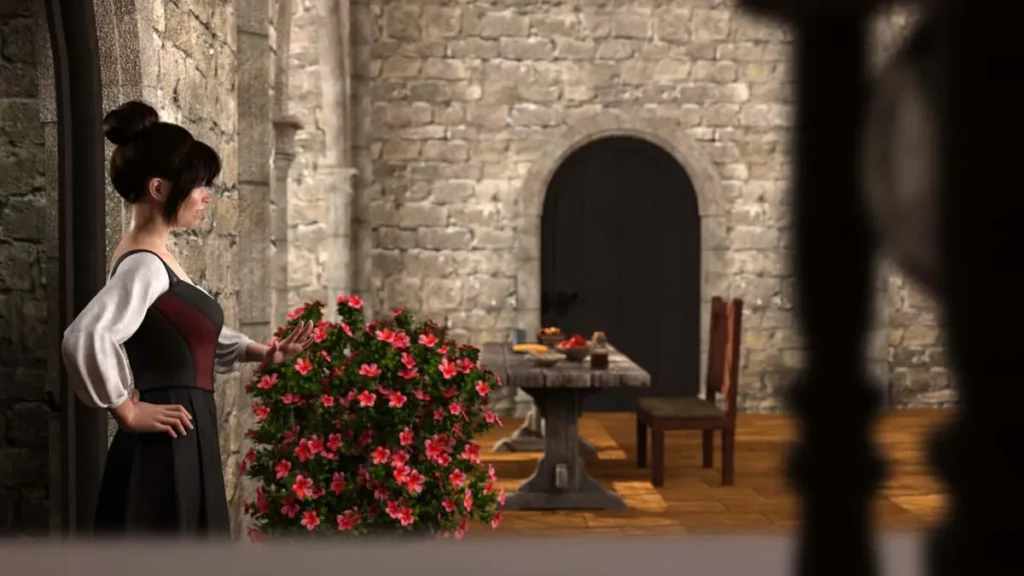



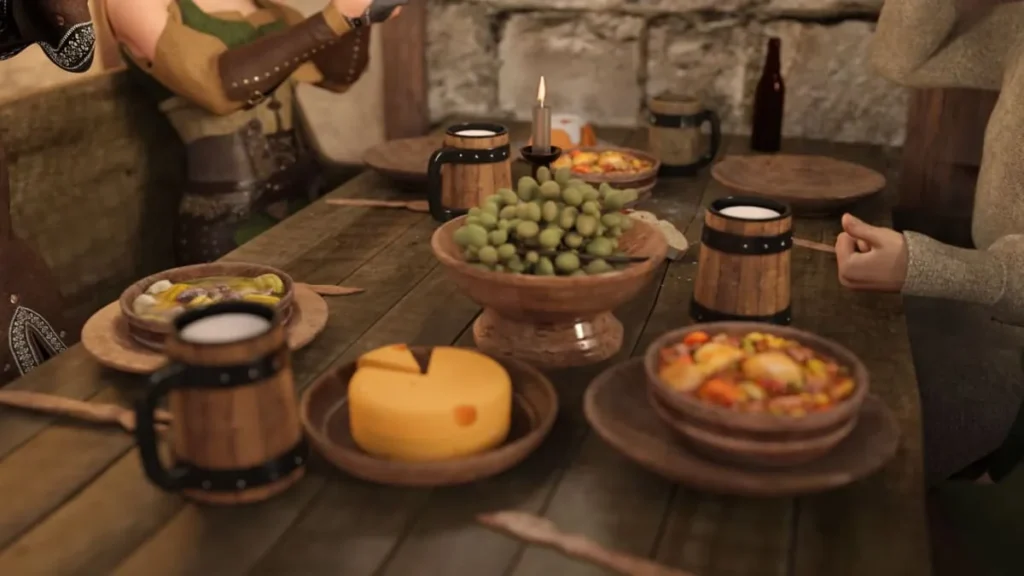
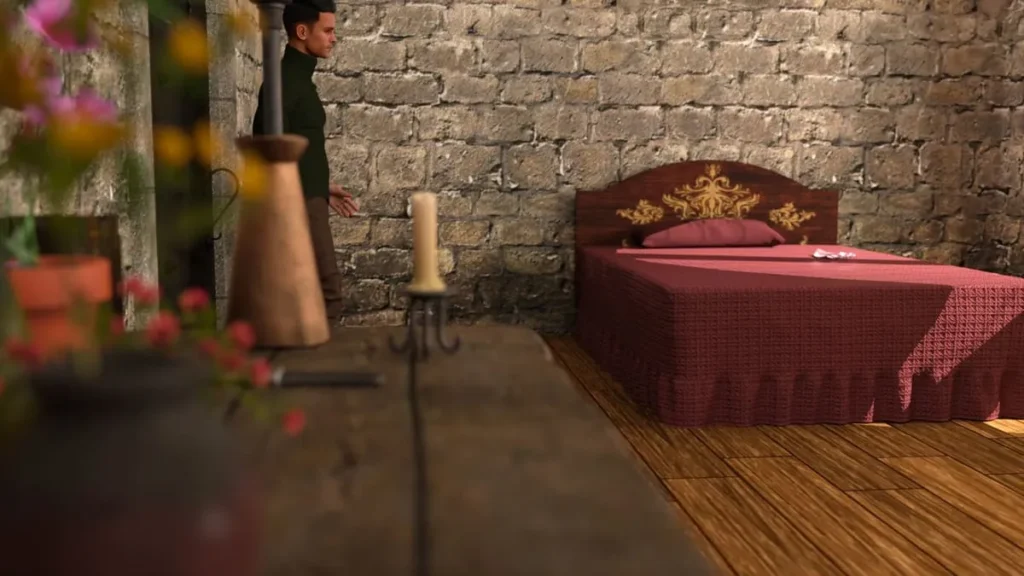



The Swordbearer review
Explore gameplay, characters, and what makes this adult visual novel stand out
The Swordbearer has carved out a unique space in the adult visual novel genre by combining engaging storytelling with impressive visual design. This game follows a young adventurer who inherits a mysterious sword and joins the Knights Guild in the capital city. What sets The Swordbearer apart from other titles in its category is its commitment to balancing humor, character development, and adult content seamlessly. Whether you’re interested in the narrative depth, character interactions, or technical achievements, this comprehensive guide covers everything you need to know about what makes The Swordbearer a memorable gaming experience.
Gameplay Mechanics and Story Structure
So, you’ve downloaded The Swordbearer, ready to dive into its rich fantasy world, and maybe you’re wondering: “What am I actually doing here?” 🎮 If you’re picturing complex combat controls or intricate puzzle grids, think again. The heart of The Swordbearer gameplay isn’t about quick-time reflexes; it’s about the weight of your decisions and the stories they weave. This is an interactive storytelling game that masterfully blends classic visual novel mechanics with a compelling, choice-driven RPG framework. You’re not just reading a tale of knights and intrigue—you’re living it, one consequential decision at a time.
Let me paint a picture from my own playthrough. Early on, you’re tasked with mediating a dispute between two guild members. One choice seems diplomatically sound, the other harsh but just. I went with the “diplomatic” option, patting myself on the back for being a wise leader. Three chapters later, that same member exploited my perceived softness, undermining my authority in a critical council vote. The game had remembered, and the narrative branches had quietly diverged because of me. That’s the magic here. Your primary tools are your eyes, your mind, and your moral compass. The Swordbearer story choices are your sword and shield.
To break it down, here are the key features that define the experience:
- Dialogue-Driven Navigation: You progress by selecting dialogue options and narrative actions, each pushing the story forward on a unique path.
- The Reputation & Relationship System: Every major character has a hidden meter tracking their opinion of you, influenced by your words and deeds.
- Resource Management: Prestige, Gold, and Influence aren’t just numbers; they’re currencies that unlock story options, gear, and support.
- Branching Narrative Hubs: The story isn’t a single line but a series of pivotal moments where your accumulated choices define available paths.
- Integrated Adult Content: Romantic and intimate scenes are treated as narrative payoffs, woven into character arcs and locked behind specific relationship milestones and choices.
How Does The Swordbearer Play? 🧭
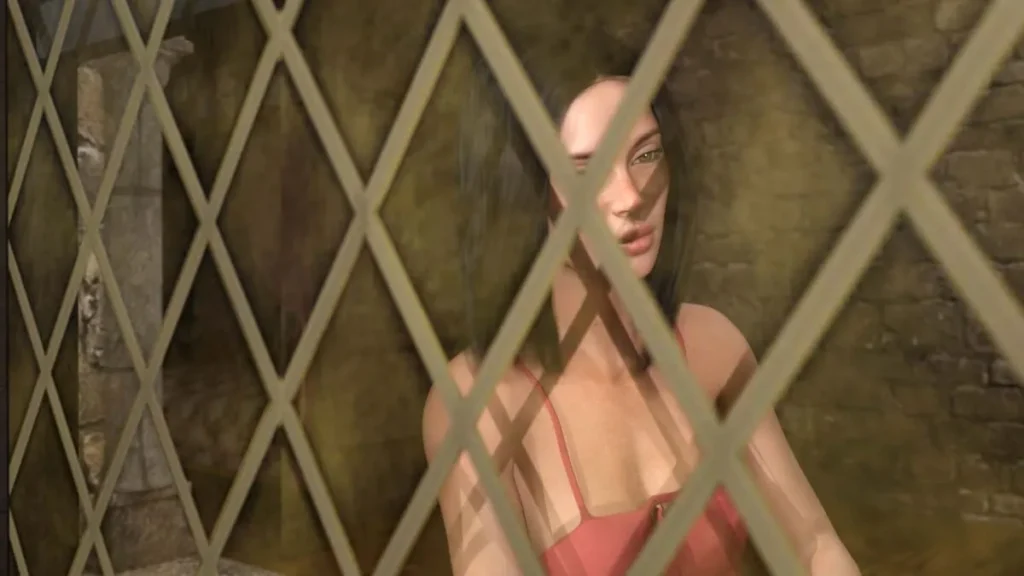
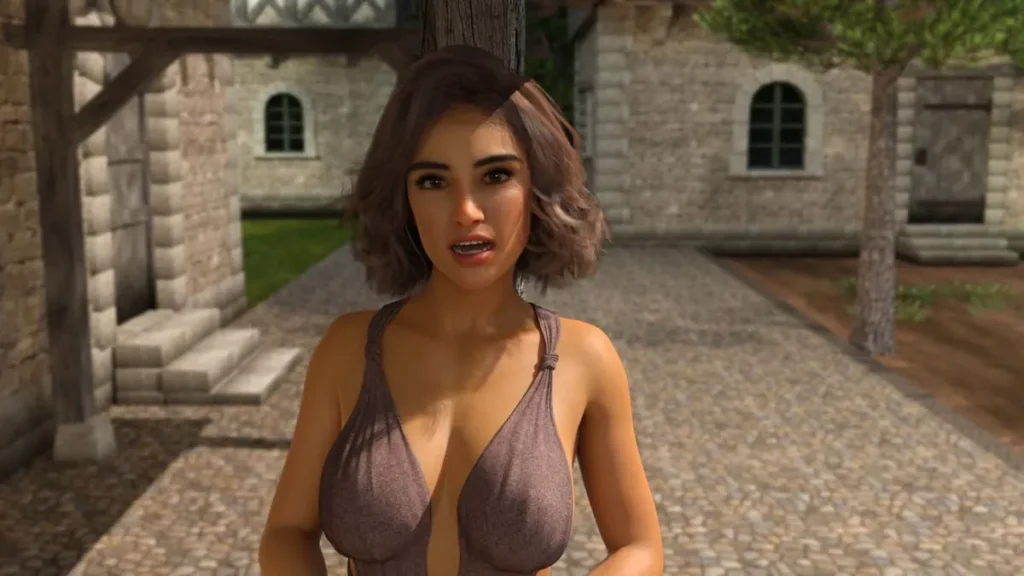
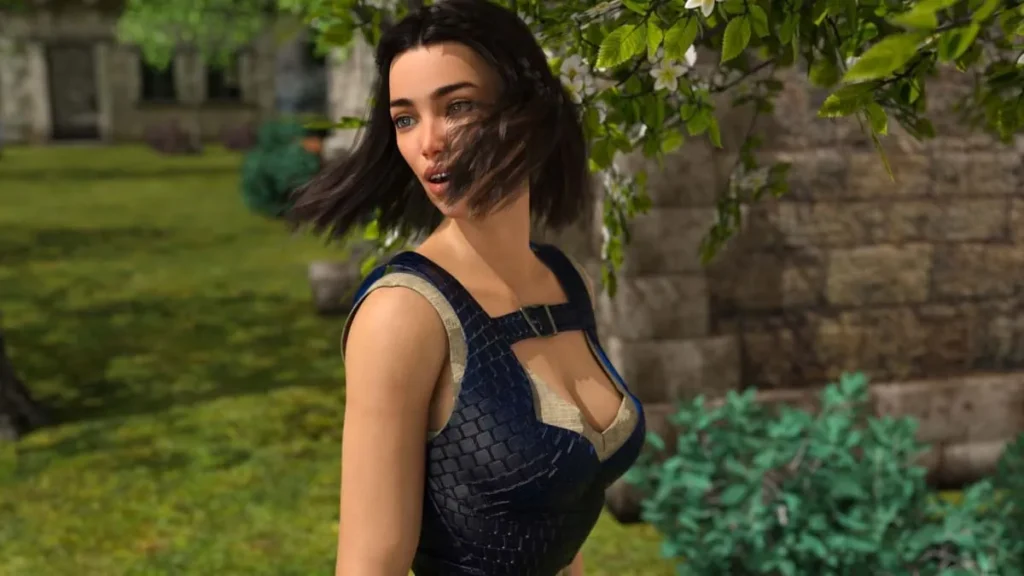
At its core, playing The Swordbearer feels like being the author and protagonist of your own epic fantasy novel. The visual novel mechanics provide the foundation: you’ll be presented with beautifully illustrated scenes, character sprites, and text narration. Your engagement comes from the frequent decision points. Sometimes you’re choosing what to say in a tense conversation. Other times, you’re deciding how to spend your afternoon—do you train at the grounds to boost your combat prowess, investigate a mysterious rumor in the city, or share a drink with a fellow knight to deepen your bond?
This is where the game excels as an interactive storytelling game. The pacing is deliberately crafted to make you feel the rhythm of a knight’s life. There are moments of slow-burn political intrigue in the guild halls, followed by bursts of fast-paced, decision-heavy sequences like planning a siege or navigating a tense banquet. Reviewers often praise this pacing—it never lingers too long without giving you agency, nor does it rush you through important character moments.
The narrative branching decisions are both obvious and subtle. A major story fork might present you with two clear paths, like siding with one noble house over another. But more often, the branches grow from smaller, cumulative choices. Consistently choosing aggressive options might lock you into a “Fearful Commander” storyline, while charitable acts could open up quests from the common folk that a ruthless player would never see. The game’s structure ensures you’re always aware your choices matter, creating an incredibly sticky form of player engagement. You’re not just watching a story unfold; you’re personally accountable for its direction.
The Knights Guild Quest System ⚔️
This is the brilliant engine that drives the The Swordbearer gameplay loop forward. The Knights Guild isn’t just a backdrop; it’s your mission control, social hub, and measure of success. The Knights Guild quest system brilliantly structures your journey, splitting objectives into clear categories that feed into both the main plot and your personal goals.
Think of it as your personal ledger of honor and duty. You’re not just following a main quest line. You’re building a reputation. Here’s how it typically works: Upon becoming a Swordbearer, you access the Guild Ledger. This is your central hub for all objectives.
| Quest Type | What It Does | Impact on Your Story |
|---|---|---|
| Main Charter Quests | These are the critical path missions that advance the central plot of intrigue, war, and ancient prophecies. They are often multi-stage and feature the game’s most significant narrative branching decisions. | Determines the major ending and the fate of the kingdom. Failure to complete these isn’t usually an option; it’s *how* you complete them that changes everything. |
| Knightly Deeds (Secondary Quests) | These are optional but highly rewarding missions. They range from hunting dangerous beasts to resolving local disputes or retrieving rare artifacts. | Builds your resources (Gold, Prestige), unlocks special gear, and often provides deep lore or character backstory. Some can alter side character destinies. |
| Companion Favors | Personal quests tied to your relationships with other knights, mages, and allies. They trigger as your bond with a character deepens. | This is the key to romance and unwavering loyalty. Successfully completing a companion’s personal quest is often the turning point in your relationship and can grant powerful permanent bonuses. |
| Guild Contracts | Repeatable, shorter tasks like providing guard duty, crafting specific items, or donating resources. These refresh periodically. | Perfect for grinding out extra Gold or Influence when you need it. They offer smaller, consistent rewards to help you afford that legendary sword or that fancy court attire. |
My practical advice? Don’t just bulldoze through the Main Charter. 🏆 I made that mistake initially. I was so focused on the “big bad” that I ignored the Knightly Deeds in a struggling village. Later, when I needed that village’s militia to support me, they refused, remembering my indifference. The Knights Guild quest system is designed to make you feel like a part of a living world. Balancing your duty to the grand charter with the personal needs of your companions and the realm’s people is the true challenge. It’s this web of interconnected objectives that makes the world feel expansive and your role within it meaningful.
Character Progression and Choices 🧠
Forget traditional experience points and skill trees for a moment. In The Swordbearer, character progression is intimately tied to your narrative journey. This is character progression visual novel style, where who you are is defined by what you do and say.
Your progression manifests in several key ways:
1. Stats as Narrative Tools: You have attributes like Strength, Diplomacy, Cunning, and Honor. These don’t increase by grinding monsters. They increase by making choices that exemplify them. Choosing to intimidate a thug might boost Strength. Solving a dispute through clever wording could raise Cunning. These stats then open up new dialogue and action options later. A high Diplomacy stat might let you diffuse a situation that would otherwise force a fight. It’s a brilliant feedback loop where your choices build the toolkit for your future choices.
2. The Relationship Web: This is arguably the most important progression system. Every key character has a relationship score, often hidden but felt through their dialogue and willingness to help you. The Swordbearer story choices are the sole driver of these relationships. Choosing to trust someone, supporting their ideals, or sharing a vulnerable moment will deepen your bond. Conversely, public criticism or betraying their confidence can cause permanent damage. These relationships unlock companion quests, romantic pathways, and determine who will stand with you—or against you—in the final act.
3. Resource-Based Advancement: Your Prestige, Influence, and Gold are direct reflections of your standing. Making publicly heroic choices boosts Prestige, which can grant you audience with the king. Choosing politically savvy paths builds Influence, letting you sway guild votes. Earning and spending Gold on equipment or bribes is a constant strategic layer. Your “build” is less about combat specialization and more about what kind of leader you are becoming.
Tip from my playthrough: Keep a consistent character “concept” in mind. On my second playthrough, I role-played as a cunning, pragmatic knight who valued results over honor. I invested in Cunning, made ruthlessly efficient choices, and used my Gold to buy information and allies. The story unfolded drastically differently—I unlocked blackmail options, avoided straightforward fights, and found myself allied with characters my honorable first playthrough never even properly met. The game’s interactive storytelling game design fully supports and rewards this kind of focused role-playing.
The integration of adult content fits squarely into this progression framework. 🫦 These scenes are not random encounters; they are the culmination of specific relationship paths. They require building trust, navigating personal storylines, and making choices that lead to intimate moments. They are presented as emotional narrative peaks, serving as payoff for dedicated character investment. The game handles them with a surprising degree of tenderness and narrative purpose, making them feel like a natural part of certain character arcs rather than detached distractions.
Ultimately, The Swordbearer stands out because its gameplay is its storytelling. The mechanics of the Knights Guild quest system, the cause-and-effect of its visual novel mechanics, and the deep character progression all exist to serve one goal: to make you feel the weight and wonder of every single choice. You’re not just picking options from a menu; you’re carving your legend into the heart of the kingdom itself, one meaningful decision at a time.
The Swordbearer stands out in the adult visual novel landscape by proving that engaging storytelling, impressive visuals, and mature content can coexist harmoniously. From its well-crafted narrative that balances humor with genuine plot development to its technical achievements in character animation and visual design, the game delivers a comprehensive entertainment experience. The thoughtful character development and witty dialogue create memorable interactions that keep players invested in the story, while the fast-paced gameplay ensures the experience never feels stagnant. Whether you’re drawn to the game for its narrative depth, visual quality, or the seamless integration of adult content within a meaningful story, The Swordbearer offers something genuinely compelling. If you appreciate visual novels that don’t compromise on storytelling quality or visual presentation, this game deserves a place in your collection. Dive into the world of The Swordbearer and discover why it has earned recognition as a standout title in its genre.