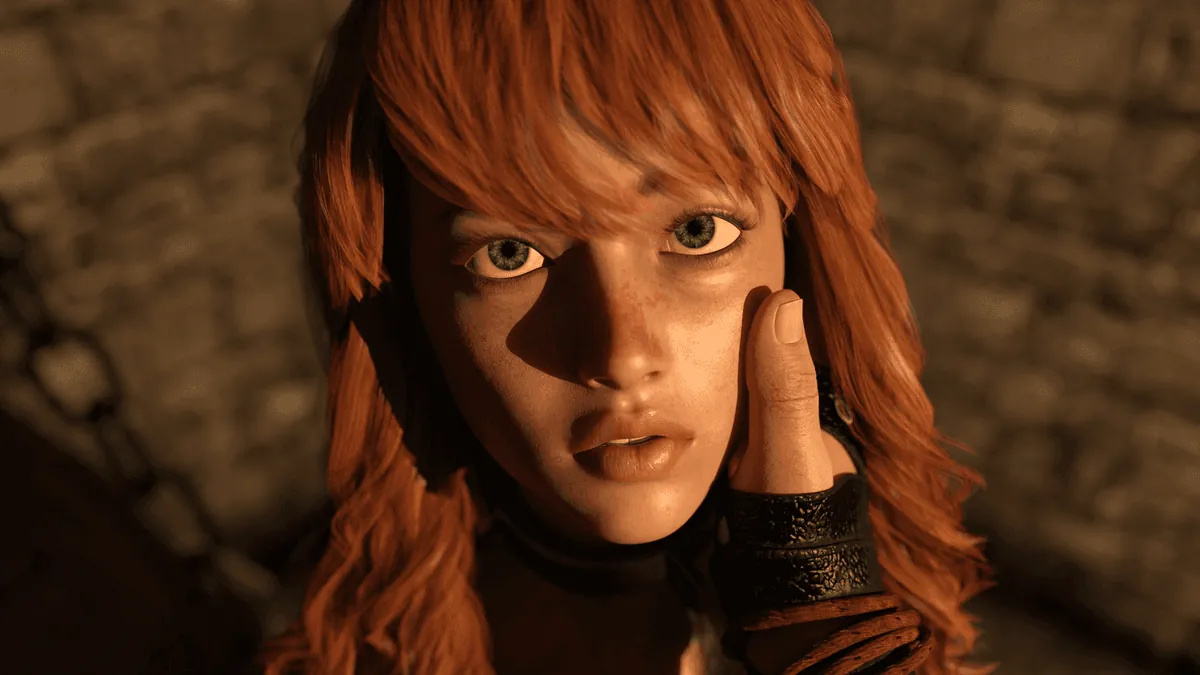
The Theater of Sinners
Play The Theater of Sinners
The Theater of Sinners Screenshots
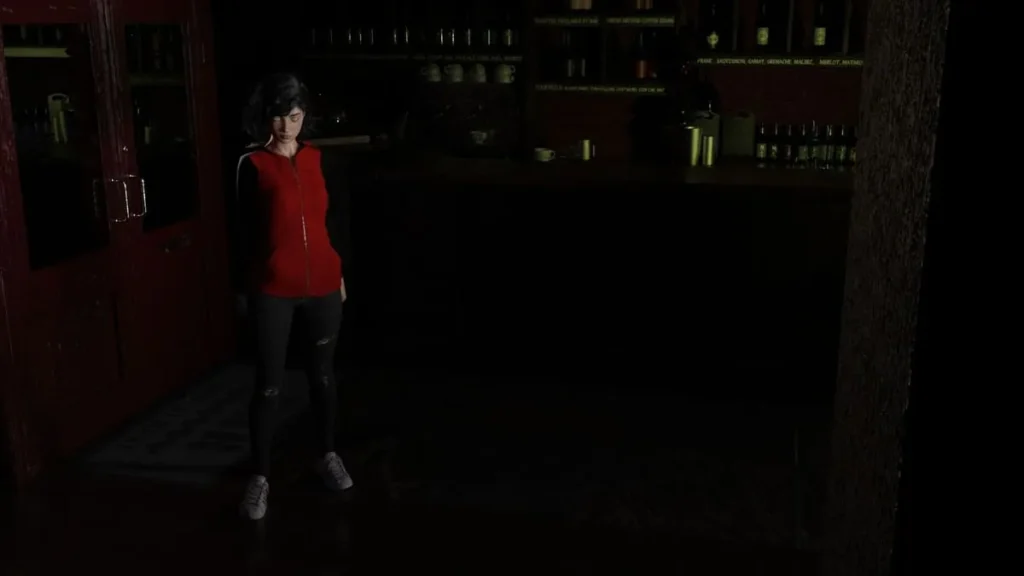
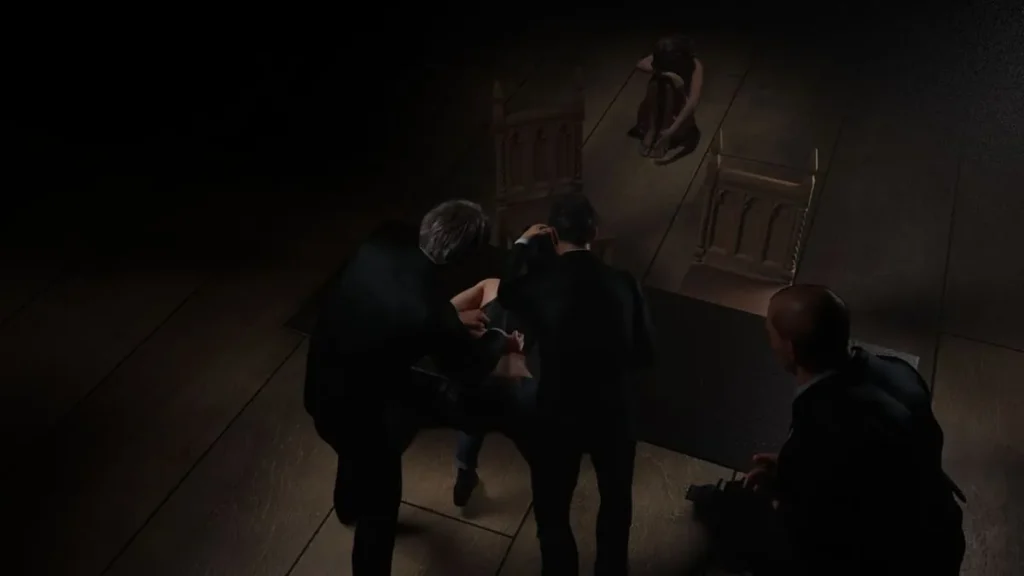
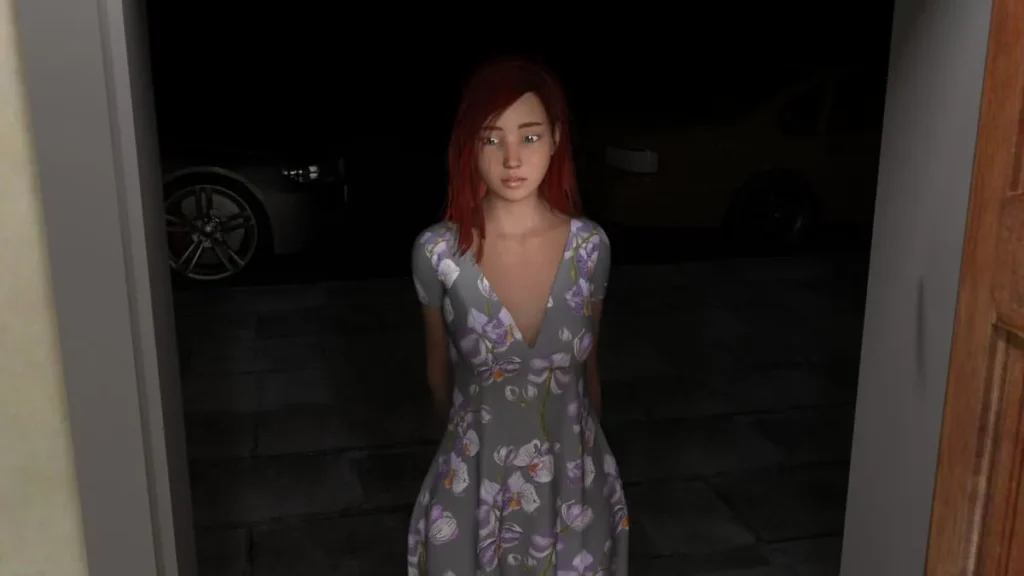
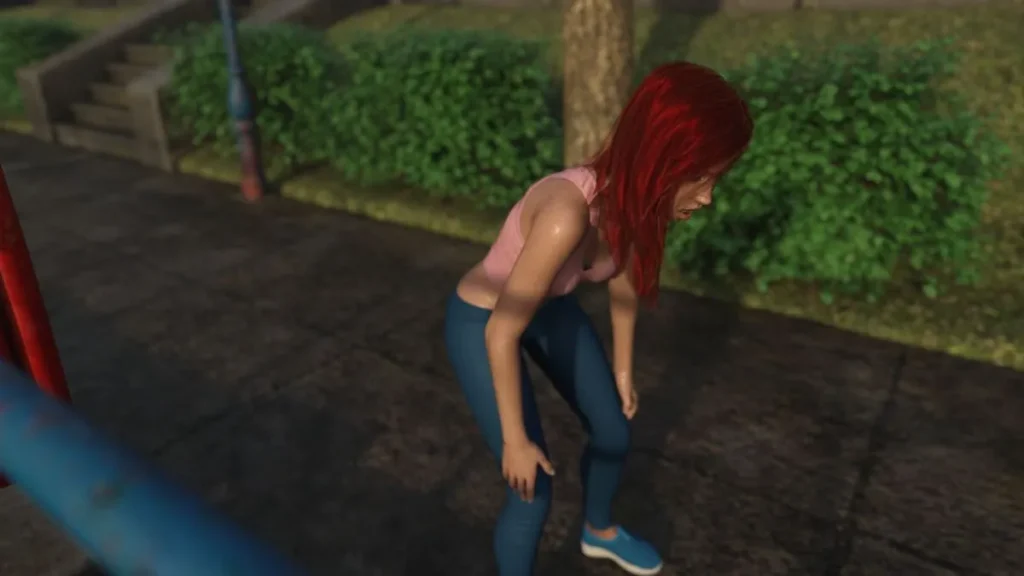
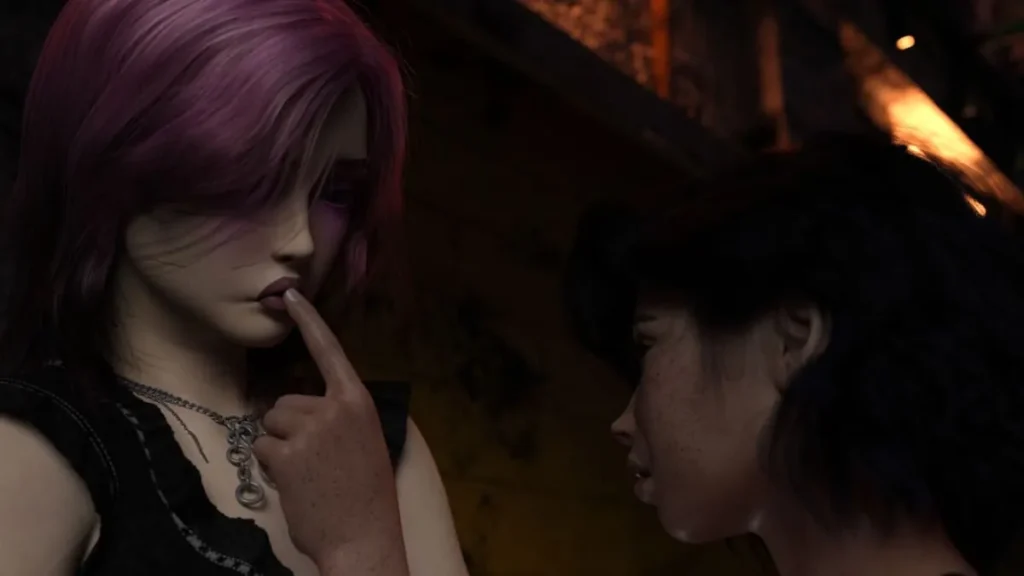
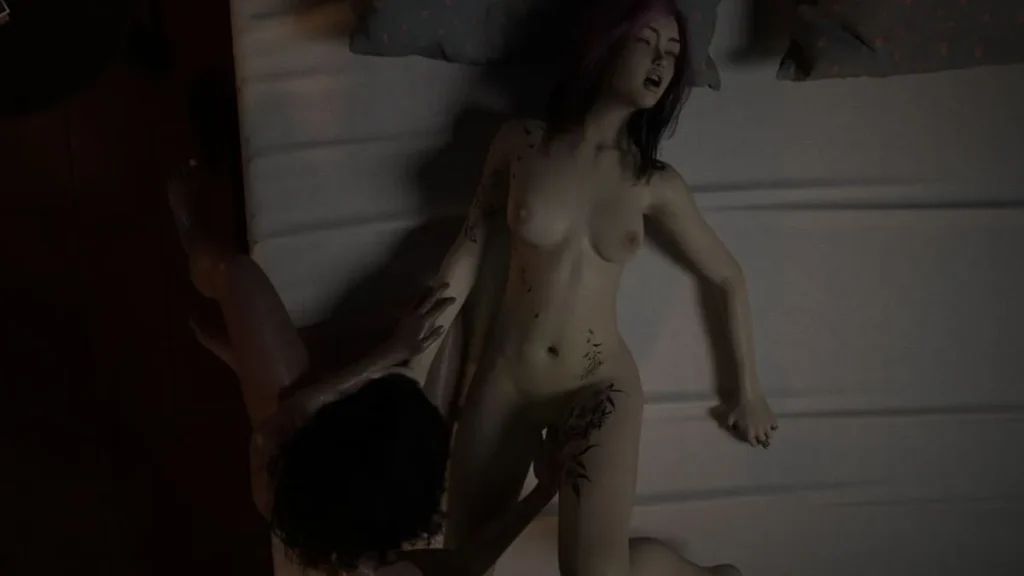
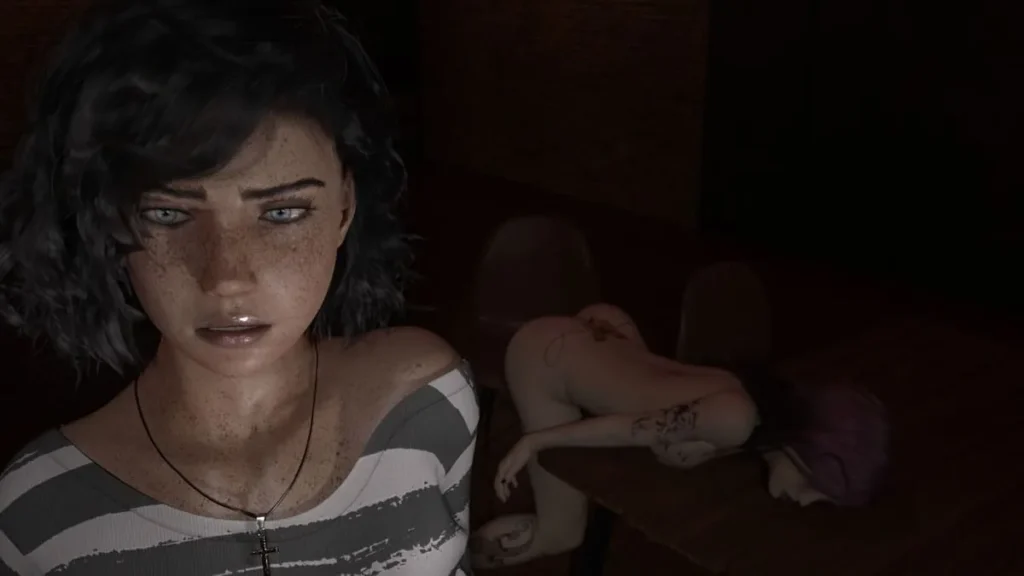


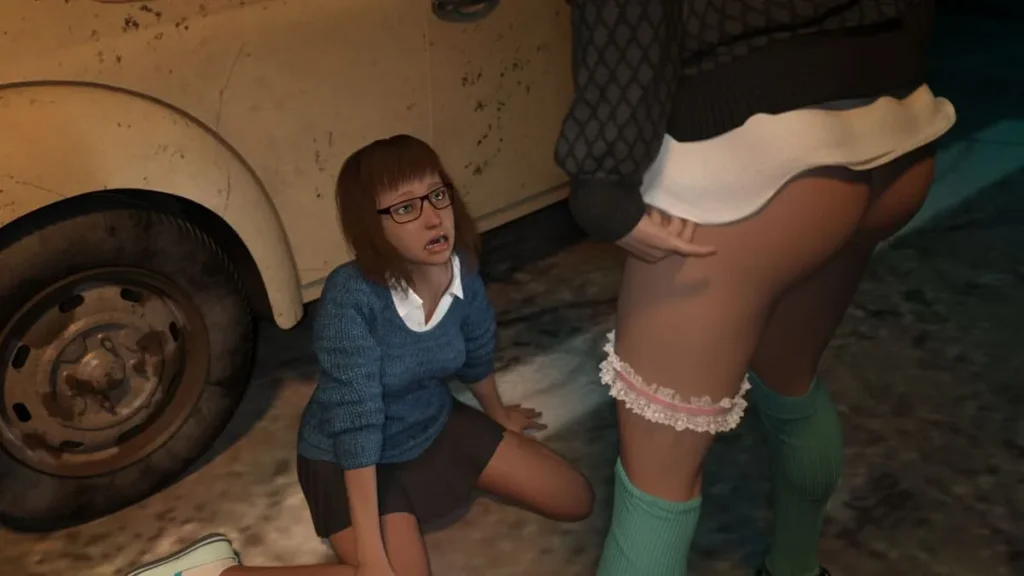
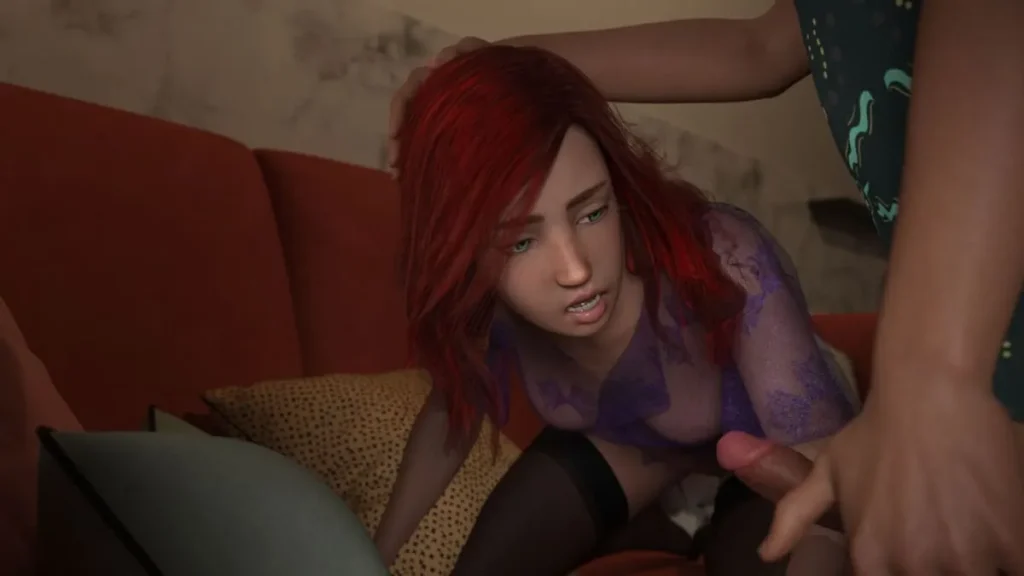
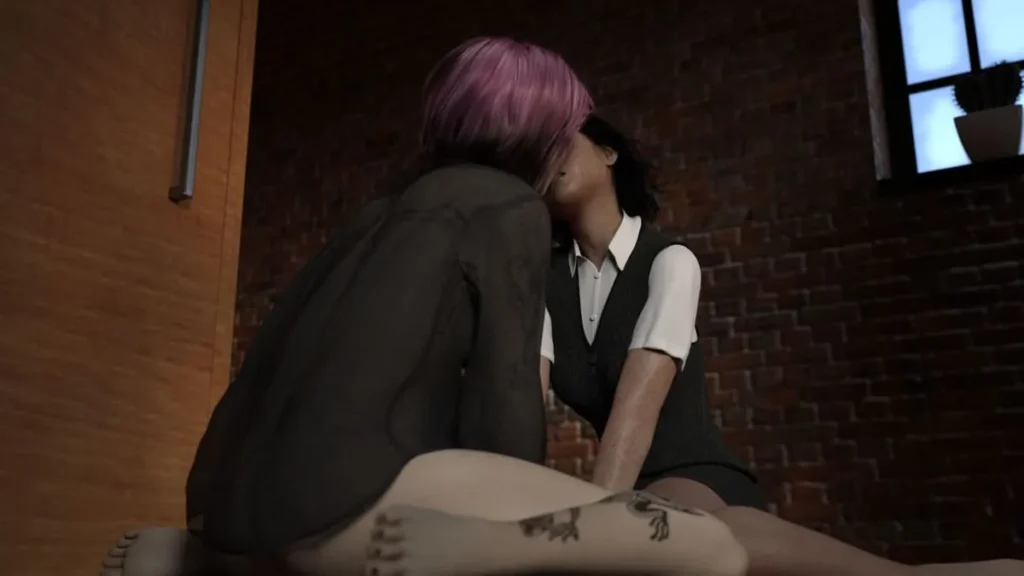
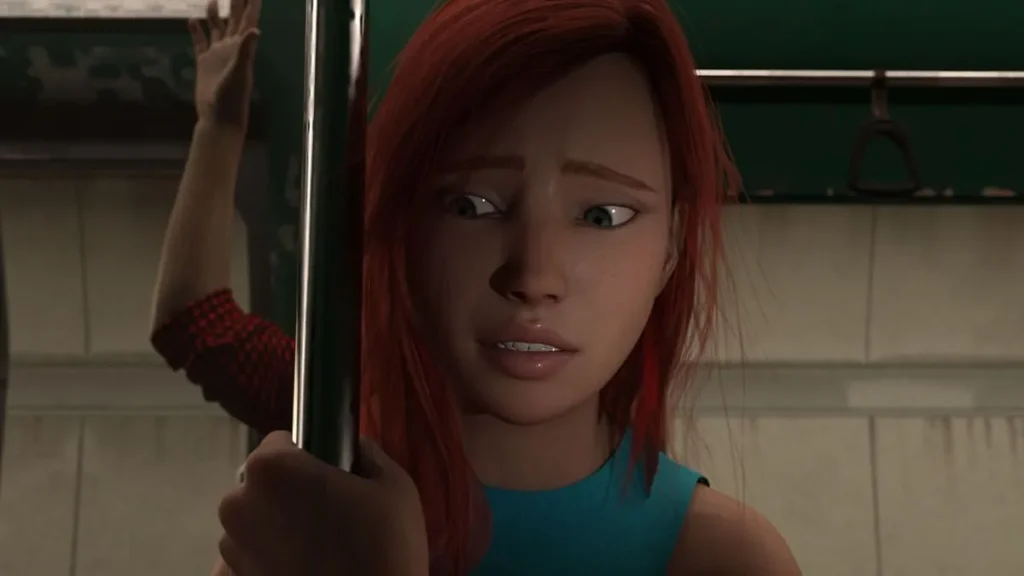
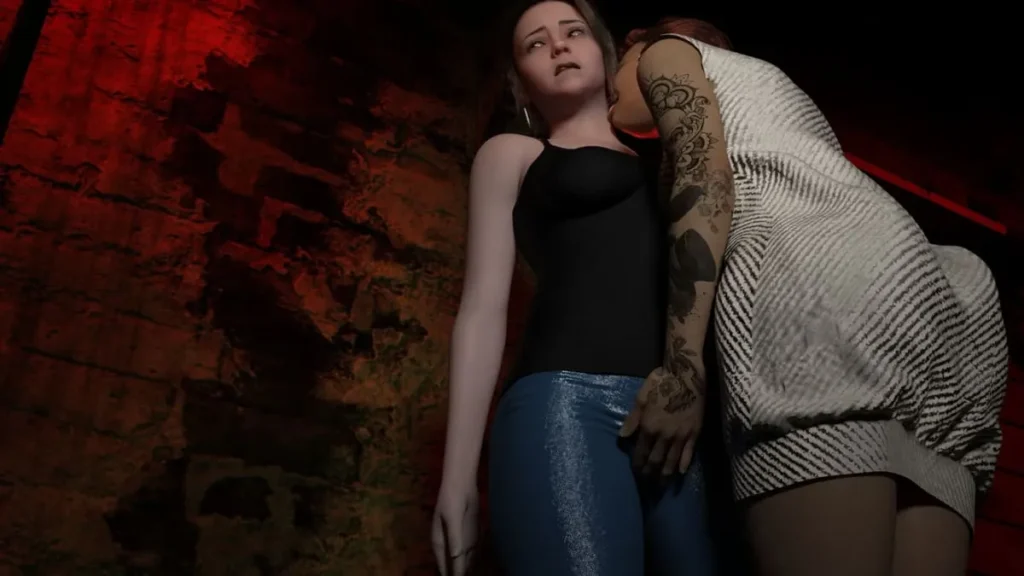
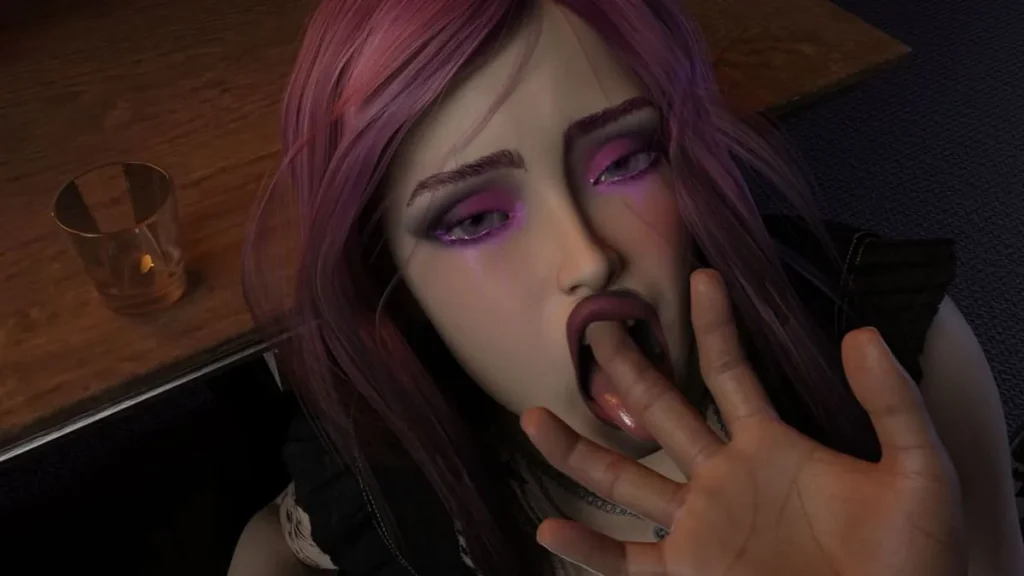
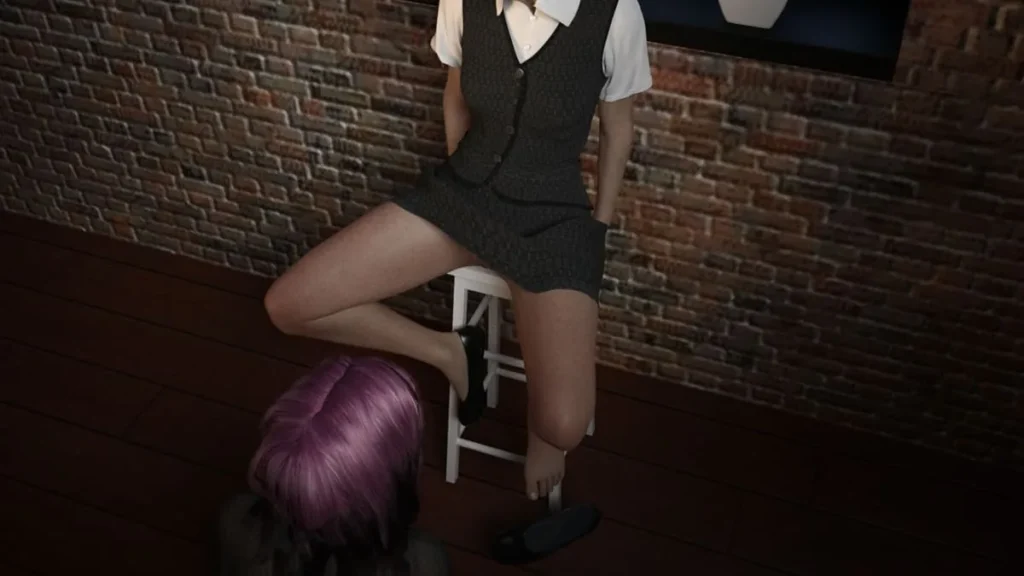
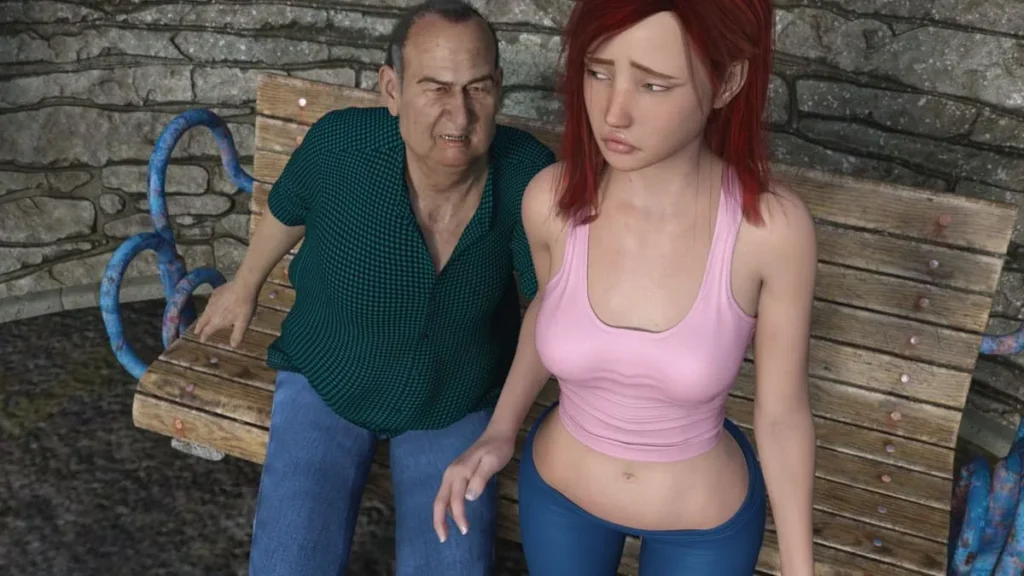
The Theater of Sinners review
Exploring the narrative complexity, character development, and decision-driven gameplay of this adult psychological fantasy experience
The Theater of Sinners stands out as a decision-driven visual novel that prioritizes narrative depth and psychological complexity over traditional gameplay mechanics. Developed by JustXThings and currently in version 0.3 Alpha 1, this adult psychological fantasy horror experience invites players into a morally ambiguous world where choices carry genuine weight and consequences. Rather than offering clear moral pathways, the game challenges players to navigate the struggles of its protagonists—Paula and Rebecca—through a non-linear narrative filled with unexpected twists. Whether you’re drawn to character-driven storytelling, psychological themes, or interactive narratives that explore the darker aspects of human nature, understanding what makes this visual novel unique can help you decide if it’s the right experience for you.
Understanding The Theater of Sinners: Core Gameplay and Narrative Structure
Forget everything you think you know about games that promise “your choices matter.” We’ve all been there, right? 😩 You make a dramatic decision, expecting a tidal wave of narrative consequence, only to get a slightly different line of dialogue before the story railroad nudges you back on its pre-determined track. It’s a common letdown. That’s precisely why my first encounter with The Theater of Sinners felt like a revelation—a genuinely character-driven narrative game that doesn’t just pay lip service to player agency but builds its entire unsettling world upon it.
This isn’t a game about winning or losing; it’s an experience about understanding, surviving, and often, succumbing. Built on the versatile Ren’Py psychological fantasy game engine, it creates a haunting space where supernatural dread and raw human psychology collide. The Theater of Sinners gameplay discards traditional mechanics like combat or puzzles, replacing them with something far more intimate and demanding: your attention, your empathy, and your moral compass. Here, every choice is a brushstroke on the canvas of a character’s soul, and the masterpiece—or tragedy—that emerges is uniquely yours. 🎭
What Makes This Visual Novel Different From Traditional Games
If you’re coming from a background of RPGs or action-adventures, stepping into The Theater of Sinners requires a slight shift in mindset. You won’t be managing an inventory of potions or mastering a skill tree. Your primary resource is insight, and your main tool is dialogue. This is the core of its identity as an interactive adult visual novel. The “gameplay” is almost entirely cerebral, unfolding through conversations, internal monologues, and the critical moments where you decide how a character will react to the horrors and temptations around them.
The game presents you with four interwoven stories, following different protagonists connected by the enigmatic and grotesque “Theater.” Unlike a traditional linear plot, events don’t exist to serve a grand, external narrative. Instead, the character-driven narrative game structure ensures that every supernatural occurrence, every twisted encounter, exists primarily to challenge, reveal, or dismantle the protagonist you are currently guiding. The plot is a vehicle for character dissection. You’re not following a story about a theater; you’re navigating the fractured psyche of someone trapped within it.
This creates a profoundly different rhythm. There’s no “grinding” or leveling up in a conventional sense. Progress is measured in emotional beats and revealed secrets. The tension doesn’t come from a health bar depleting, but from a relationship fracturing or a deeply held belief shattering under pressure. The fantasy elements—the grotesque masks, the impossible spaces, the haunting melodies—are all extensions of the characters’ internal struggles, making the world feel terrifyingly real precisely because it is so psychologically resonant.
The Decision-Based Mechanics and Consequence System
At the heart of the experience is what I consider one of the most refined visual novel decision system designs I’ve encountered. It’s elegant in its simplicity yet dizzying in its depth. Choices aren’t just binary good/evil flags. Instead, your selections subtly raise or lower hidden character stats—traits like Empathy, Cynicism, Obedience, or Rebellion. You rarely see these numbers, but you feel their weight in every interaction.
For example, comforting another sinner might raise your protagonist’s Empathy, which could later unlock a gentler, more vulnerable dialogue path with a different character. Conversely, a harsh, dismissive comment might bolster your Cynicism, opening doors to colder, more pragmatic—and sometimes crueler—solutions to problems. This stat-driven approach means the game isn’t just tracking a single “morality” score; it’s building a complex personality profile based on dozens of micro-decisions.
The most brilliant and terrifying aspect? Choices are never reversible. The game doesn’t offer a convenient “undo” or let you save-scum through every branch without commitment. This design philosophy forces you to live with your decisions, mirroring the irreversible nature of real-life consequences.
Let me share a personal anecdote that hammered this home. In my first playthrough, I was guiding Leo, a character struggling with guilt and inaction. I approached him with a “protective” mindset, aiming to keep him cautious and safe. 🛡️ I consistently chose options that avoided conflict and deferred to the mysterious authority figures in the Theater. I thought I was being smart, keeping his head down to survive.
What I didn’t realize was that I was systematically raising his Obedience and Fear stats to critical levels. The game’s consequence-based gameplay choices didn’t manifest as a sudden “Game Over.” Instead, Leo’s personality calcified around these traits. When a pivotal moment arrived where he needed to muster a defiant spark to save another character, the option simply… wasn’t there for me. My earlier, well-intentioned choices had written it out of his character. He was too broken, too conditioned to obey. I could only watch, helplessly, as the narrative unfolded into a uniquely tragic ending that was a direct result of the passive personality I’d cultivated. It was a gut punch no traditional game has ever delivered—a consequence that felt human, not punitive.
This system creates a web of cause and effect where outcomes are often surprising and deeply impactful. Key features that define this experience include:
- Atmospheric Dread Over Jump-Scares: The horror is psychological, built through masterful writing, sound design, and art that sits with you long after you close the game.
- A Truly Character-Driven Plot: The narrative bends and twists based on who your character becomes, not the other way around.
- Profound Moral Ambiguity: You will rarely find a clearly “right” answer, only choices with different shades of compromise and cost.
To give you a clearer picture of how these hidden systems interact, here’s a breakdown of how a simple choice can ripple through the game:
| Your Choice In The Moment | Primary Stat Affected | Potential Immediate Outcome | Possible Long-Term Narrative Consequence |
|---|---|---|---|
| Offer a comforting touch to a distressed character. | Empathy ++ | Character opens up, revealing a clue about their past. | Unlocks a hidden, more cooperative ending path with this character later. May close off more aggressive, isolationist routes. |
| Mock their weakness and walk away. | Cynicism ++, Empathy — | Character becomes hostile, withholding information. | Forces you to find an alternative, often more dangerous, source for that information. May lead to that character becoming an antagonist in a future scene. |
| Report their emotional outburst to the Theater’s overseer. | Obedience ++, Trust — | Gain a small favor or token from authority. | The entire community of sinners learns you cannot be trusted, isolating you from future alliances. The “favor” may become a tool for manipulation against you. |
Navigating the Non-Linear Storyline and Character Arcs
This is where The Theater of Sinners truly ascends from a great story to a fascinating narrative puzzle. The game employs sophisticated non-linear storytelling mechanics that grant you an incredible amount of freedom, while ensuring that freedom never feels meaningless. You can choose which of the four protagonists’ stories to follow, and within each story, you can often explore different “acts” or key events in a flexible order.
However—and this is the crucial part—“non-linear” doesn’t mean “unconnected.” The game remembers everything. 😲 Choosing to play through Elena’s story of defiant rebellion first might introduce you to a location or concept that, when you later play as the more timid Finn, provides him with a piece of knowledge he otherwise wouldn’t have. Your understanding of the Theater’s lore deepens with each perspective, and sometimes, a choice made in one character’s arc will subtly alter the starting conditions or available options in another’s. It’s a tapestry where you choose the threading order, but the final image is always a coherent reflection of all your actions.
Each protagonist is a standalone study in a different type of psychological fragility, and their arcs are designed to be replayed. The non-linear storytelling mechanics encourage this. On a second playthrough of Leo’s story, knowing what I did from my first tragic run, I made deliberately different choices to boost his Defiance and Curiosity. It felt like I was meeting a completely different person living in the same skin. Entire scenes played out with new dialogue, characters reacted to me differently, and the story branched towards a climax that was fraught with active danger instead of passive despair. It was the same core plot points, but the emotional journey and ultimate outcome were wildly distinct.
This structure makes the Theater of Sinners gameplay profoundly replayable. You’re not just clicking through to see a different ending slide; you’re actively constructing a different version of the character, which in turn rewires the narrative’s nervous system. The four stories—Leo’s guilt, Elena’s rage, Finn’s fear, and Maya’s detached curiosity—are like four different lenses to examine the same haunting prison. 🏛️
| Protagonist | Core Psychological Conflict | Key Stats to Influence | Example of a Story Branching Point |
|---|---|---|---|
| Leo | Guilt & Atonement vs. Self-Preservation | Empathy, Obedience, Defiance | Whether he confronts the figure from his past or seeks to bury the memory forever, radically changing his available allies. |
| Elena | Righteous Fury vs. Calculated Pragmatism | Aggression, Cunning, Morality | Choosing between a direct, dangerous assault on the Theater’s rules or a slower, strategic undermining of its power structure. |
| Finn | Paralyzing Fear vs. Cautious Courage | Fear, Curiosity, Trust | Deciding to hide from a terrifying overseer, which keeps him safe but ignorant, or to secretly follow them, gaining crucial info at massive personal risk. |
| Maya | Clinical Detachment vs. Emotional Investment | Curiosity, Detachment, Empathy | Treating other sinners as fascinating test subjects to be manipulated, or allowing herself to see them as people, which makes her both vulnerable and powerful. |
Navigating this web is the ultimate challenge of this interactive adult visual novel. There’s no walkthrough that can give you a “perfect” path, because perfection doesn’t exist—only resonance. The best advice I can give is to role-play authentically in the moment. Don’t try to game the system to achieve a specific ending. Instead, listen to the character, absorb the suffocating atmosphere of the Theater, and make the choice that feels true to the person you are, in that moment, guiding them to be. The consequence-based gameplay choices will then weave a story that is uniquely, often painfully, yours.
In the end, The Theater of Sinners stands as a masterclass in how to use the visual novel format to its fullest potential. Its visual novel decision system is a complex, invisible engine driving a heartbreakingly human drama. Its non-linear storytelling mechanics reward curiosity and multiple perspectives, and its unwavering commitment to consequence-based gameplay choices creates a level of emotional investment that is rare in any medium. It’s more than a game; it’s a psychological séance, and you hold the talking board. What emerges from the silence is entirely up to you.
The Theater of Sinners represents a unique approach to adult visual novel storytelling, prioritizing psychological depth and narrative consequence over traditional gameplay mechanics. Through its decision-driven system, complex character development, and exploration of morally ambiguous themes, the game creates an experience that challenges players to engage thoughtfully with difficult subject matter. The interconnected stories of Paula and Rebecca, supported by a cast of compelling side characters, unfold through a non-linear narrative where player choices genuinely matter and shape the direction of multiple character arcs. Whether you’re drawn to character-driven narratives, psychological horror elements, or interactive stories that explore the darker aspects of human nature, understanding the game’s structure, themes, and content is essential for determining if it aligns with your interests. If you’re considering diving into this experience, approach it with the understanding that it demands emotional investment and offers no simple moral answers—just human choices with real consequences.