Infinite Jump Screenshots
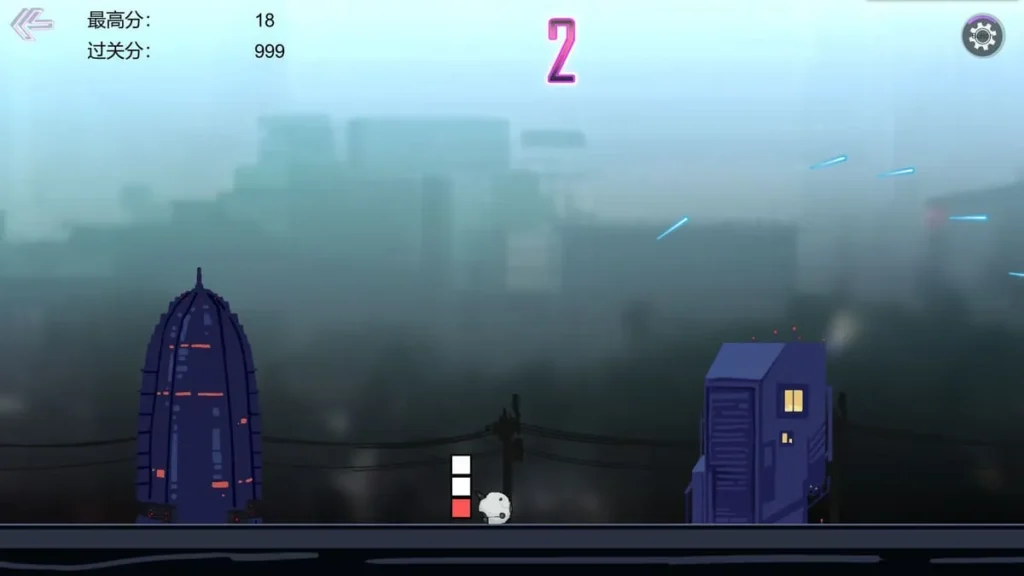


Infinite Jump review
Master the momentum-based jumping system and combo mechanics that define this challenging platformer
Infinite Jump stands out as a distinctive platformer that challenges conventional game design through its innovative momentum-based jumping system and skill-rewarding mechanics. Unlike traditional platformers with predictable jump arcs, this game demands precision, timing, and an understanding of physics-based movement. Whether you’re a seasoned platformer enthusiast or exploring boundary-pushing game design, Infinite Jump offers an experience that combines fluid controls with progressive difficulty. This guide explores the core mechanics, mastery techniques, and what makes this platformer uniquely engaging for players seeking a genuine challenge.
Understanding Infinite Jump’s Core Mechanics and Physics System
Ever feel like your character in a platformer moves like a block of wood? 🪵 You hit jump, they go up, they come down. It’s predictable, safe, and honestly, a bit dull. You’re not really flying; you’re just… politely requesting altitude. Then you play Infinite Jump for the first time, and it’s like someone finally handed you the keys to a fighter jet instead of a go-kart. 🚀 The first time you feel your speed carry from a sprint into a soaring leap, curve around a corner, and bounce off a wall without losing a beat… that’s the magic moment. This isn’t just jumping; it’s conducting a symphony of motion.
Welcome to the heart of what makes this game so special. This chapter is your deep dive into the core systems that separate button-mashers from maestros. We’re talking about the elegant, punishing, and utterly rewarding momentum-based jumping mechanics, the addictive Infinite Jump combo system, and the platformer physics engine that makes it all possible. Mastering these isn’t optional—it’s the entire game.
How Momentum-Based Jumping Works
Forget everything you know about jump buttons. In most games, a jump is a discrete, isolated event. In Infinite Jump, a jump is a continuation. It’s the physical expression of your current motion. This velocity-based character movement is the soul of the game.
Think of your character not as a sprite, but as a particle governed by real(ish) physics. When you run to the right, you build up horizontal velocity. When you press jump, you don’t just get vertical lift—you launch yourself along the vector of your existing speed. That sprinting leap will carry you much farther than a jump from a standstill. This is the first, most crucial lesson: speed is distance.
But the genius is in the control you retain mid-air. You can’t just magically change direction (that would break the platformer physics engine), but you can influence your trajectory. Pushing against your momentum slows you down, allowing for precise landings. Pushing with it turns a long jump into a breathtaking arc. It creates a dance of push and pull, where you’re constantly managing kinetic energy. This fluidity is what creates that coveted “flow state.” You stop thinking about individual jumps and start thinking about rivers of motion.
The collision detection gameplay is what sells this fantasy. It’s incredibly forgiving in the right ways. Brush against a wall while carrying horizontal speed? You’ll slide along it, preserving momentum, giving you a chance to redirect. Tap the corner of a moving platform? The game registers it as a valid surface, allowing you to keep your combo alive. This isn’t pixel-perfect punishment; it’s designed to enable grace under pressure.
Pro Tip: Your first movement in any new section should be to build speed. Find a straightaway, get running, and then jump. You’ll immediately have more options.
Example: Real gameplay scenario showing how momentum carries through a sequence of jumps across moving platforms
Imagine a chasm with three small, vertically moving platforms. The amateur stops on each one, waiting for the next cycle. The master never stops moving. They sprint from the ledge, launching into a long, flat jump powered by their velocity-based character movement. They land on the downward-sloping side of the first moving platform, using the contact to lightly “push off” and add a tiny burst of speed to their already existing momentum, carrying them to the second platform. They don’t fight the second platform’s upward motion; they ride it, using its lift to gain height while their forward speed remains, arcing them perfectly to the final platform and across the gap. One fluid motion, powered entirely by understanding and harnessing momentum.
The Jump Combo System Explained
This is where the game’s name earns its stripes. The Infinite Jump combo system is your score engine, your style meter, and your survival toolkit, all rolled into one brilliant mechanic. The rule is simple: you can jump again without touching the ground if you touch any other valid surface. This includes the tops of platforms, the sides of walls, enemy heads, certain projectiles, and even specific environmental hazards.
Every time you chain jumps this way, your combo counter climbs. This isn’t just for bragging rights. As your combo builds, so does your jump combo multiplier system. Your score for collecting gems, defeating enemies, and hitting checkpoints is dramatically increased. Visually, the world responds too. The screen gets a subtle pulse, particle effects trail your character more densely, and the music dynamically layers in more intense tracks. The game is quite literally cheering you on.
The real test of skill-based platformer mechanics is maintaining this combo. It forces you to plan routes not just from A to B, but from A to Z without touching the “safe” ground. You start seeing walls not as barriers, but as launchpads. You see a cluster of enemies not as a threat, but as a bouncing opportunity to extend your aerial time.
List: Step-by-step breakdown of how to maintain and extend jump combos in different scenarios
- On Standard Platforms: The key is rhythm and minimal contact. Don’t land and pause; treat each platform as a trampoline. Hit it and jump again immediately to maintain your velocity.
- Using Walls: Wall jumps are your best friend. Hit a wall with horizontal speed, press jump to kick off, and immediately steer back towards the wall to potentially chain another wall jump. This “wall climb” technique is essential in vertical shafts.
- Against Enemies: Bouncing on an enemy not only defeats it but also gives you a slightly higher bounce than a platform. Use groups of enemies to gain altitude. Time your bounce just as they move into position.
- With Moving Elements: This is advanced. You must match the speed and trajectory of a moving platform or conveyor belt. Landing on one moving left while you’re moving right will kill your momentum and likely your combo. Use them to augment your existing path.
The pressure of a high combo completely changes your decision-making. It turns a cautious platformer into a daring, momentum-fueled race. This collision detection gameplay is the silent referee, always judging whether your daring touch was clean enough to count.
| Combo Threshold | Multiplier | Visual & Audio Feedback |
|---|---|---|
| 5 Jumps | x1.5 | Minor screen shake on landing, score numbers turn blue. |
| 15 Jumps | x2.5 | Character leaves a light trail, rhythmic pulse added to music. |
| 30 Jumps | x4.0 | Bright particle explosion on each new jump, guitar riff kicks in. |
| 50+ Jumps | x6.0 | Screen borders glow, character model shines, full soundtrack intensity. |
Advanced Movement Techniques and Physics Integration
Once you’ve internalized momentum and basic combos, the game opens up its true skill ceiling. This is where you move from playing the game to playing the physics engine. The platformer physics engine in Infinite Jump isn’t just for show; it’s a playground for creative movement.
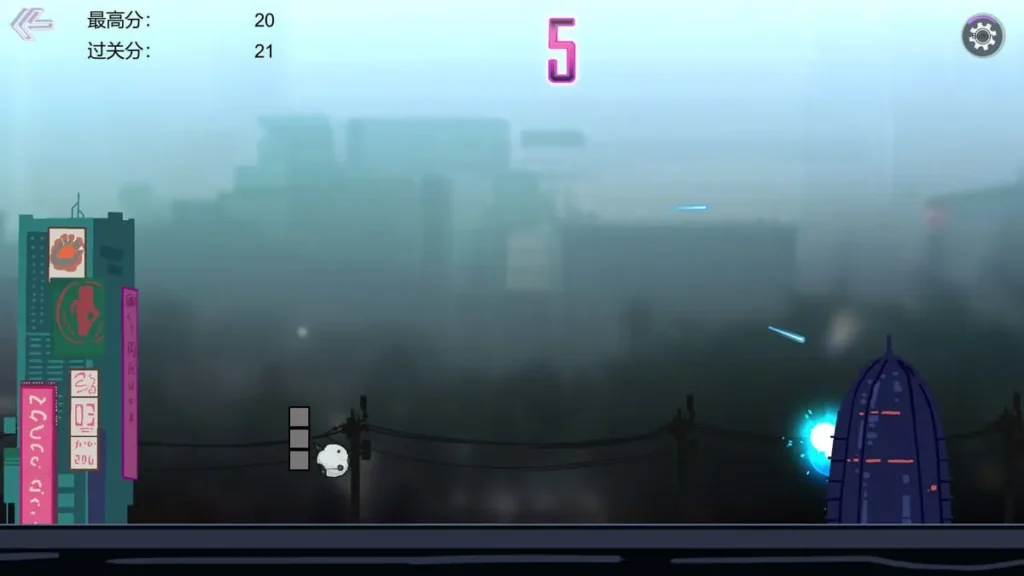
One of the most exhilarating advanced techniques involves using your own projectiles. Certain abilities let you fire a slow-moving energy ball. A true master will fire it ahead of them during a jump, then use their superior speed to catch up to it and jump off of it mid-air, using it as a makeshift platform to reach impossible heights or change direction sharply. This demands insane spatial awareness and timing—pure skill-based platformer mechanics.
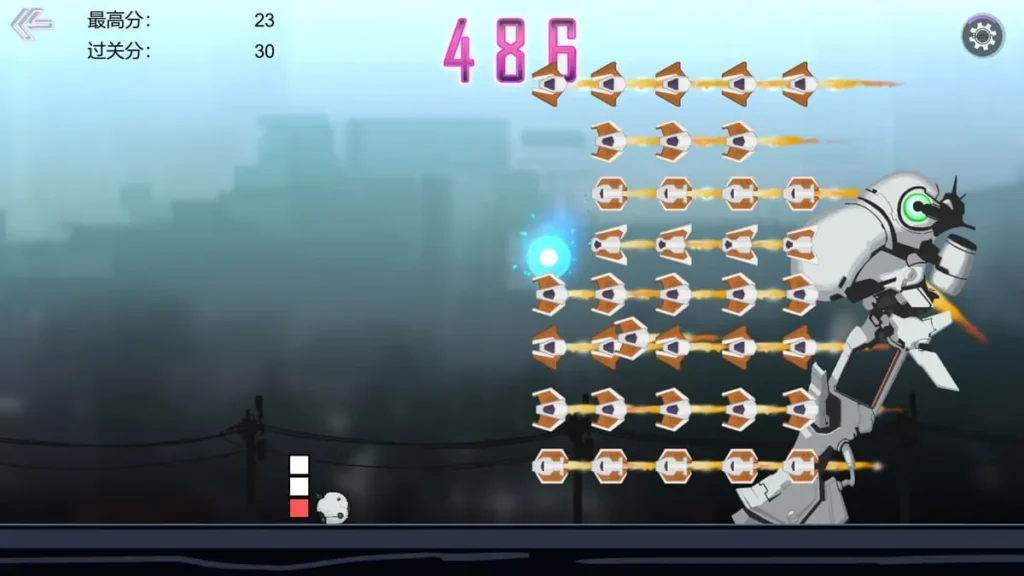
Boss battles are the ultimate test of this integration. These fights are less about standing and shooting, and more about constant, evasive motion. Your mobility is your offense. A typical boss might fill the arena with laser grids. The solution? Use the boss’s own giant arm as a wall-jump surface to propel yourself over the danger while chipping away at its health. You’re leveraging the same momentum-based jumping mechanics used in traversal as a direct combat tactic.
The environment itself becomes a tool. Switches that need to be hit are often placed in sequences that can only be triggered by a player in a continuous, high-speed arc. You learn to “read” a room not as a series of platforms, but as a single, interconnected route where every surface is a potential step in your combo.
| Advanced Technique | Physics Principle | Primary Use |
|---|---|---|
| Projectile Bouncing | Dynamic object collision creating a temporary solid surface. | Correcting mistimed jumps, accessing secret areas. |
| Momentum Conservation Slides | Reduced friction on specific surfaces when maintaining high speed. | Traversing long horizontal tunnels quickly, building huge speed for a subsequent leap. |
| Corner Clips | Precise collision detection at the intersection of two surfaces allowing a rapid double-bounce. | Extracting maximum height from a confined corner, maintaining combos in tight spaces. |
This level of integration creates an unparalleled sense of mastery. The first time you clear a brutal obstacle course without ever touching the ground, using a mix of wall jumps, enemy bounces, and a well-placed projectile step, you’ll feel like a genius. The game’s velocity-based character movement and tight collision detection gameplay reward this kind of creative thinking constantly.
Mastering the momentum-based jumping mechanics and the Infinite Jump combo system is a journey. It starts with frustrating failures—leaping just short of a ledge, watching a 40x combo vanish because you hesitated. But with each attempt, the game’s platformer physics engine becomes more intuitive. You start feeling the rhythm in your bones. You’ll see a level and instantly plot a flowing, airborne path through it. That is the moment Infinite Jump transforms from a challenging platformer into a personal ballet of motion, and there’s nothing else quite like it. Now, go build some speed. 🏃♂️💨
Infinite Jump represents a masterclass in skill-based platformer design, where momentum-based jumping and combo mechanics create a uniquely engaging experience. The game’s carefully structured difficulty progression ensures that players develop mastery gradually while remaining consistently challenged. What truly sets Infinite Jump apart is how it integrates physics-based movement with meaningful progression systems – where visual customization and skill-based rewards reinforce player achievement and personal investment. Whether you’re drawn to the fluid mechanics, the satisfying combo system, or the progressive challenge structure, Infinite Jump delivers an experience that rewards dedication and precision. For players seeking a platformer that respects their skill development and offers genuine mechanical depth, this game provides the kind of engaging, flow-inducing gameplay that keeps players returning to master its systems.