
Play My Tuition Academia
My Tuition Academia Screenshots







My Tuition Academia review
A clear look at gameplay, story, and what players want to know
My Tuition Academia is a game that draws attention because of its mix of life-sim mechanics, relationship choices, and a school setting centered on earning money to manage student debt. If you are looking for My Tuition Academia, you probably want to know what the game is about, how it plays, and whether its structure matches your interests. In this guide, I will break down the experience in a simple, player-focused way, with practical details that help set expectations before you start. I also focus on the parts people usually want answered first: the premise, the gameplay rhythm, and the main features that shape the overall experience.
What Is My Tuition Academia?
Alright, let’s get right into it. 🎮
You’ve probably seen the name pop up in forums or on Steam, and you’re asking yourself: what exactly is My Tuition Academia? Is it another school drama? A grind-heavy RPG? A commentary on modern economics?
The short answer? It’s all of the above, mashed into one surprisingly addictive package.
Think of it as a life simulation RPG where your character isn’t trying to save a fantasy kingdom. They’re trying to save their own future. And the final boss isn’t a dragon—it’s a mountain of student debt.
Example: The First Day Jitters
Imagine this: You hit “New Game.” You’re dropped onto a modest campus courtyard. The graphics have a charming, slightly hand-drawn feel. Your character, a fresh-faced student, has a dorm room with a broken desk, a fridge with two sad-looking apples, and a letter from the bursar’s office taped to the door.
Your first screen shows three resources:
- Energy: 80/100
- Cash: $150
- Debt Owed: $42,000
Without any dragons or magic spells, that $42,000 figure feels heavier than any in-game boss health bar. The game doesn’t give you a legendary sword. It gives you a course catalog and a part-time job application. That’s your game overview in a nutshell: managing reality, one semester at a time.
What is the core premise of My Tuition Academia?
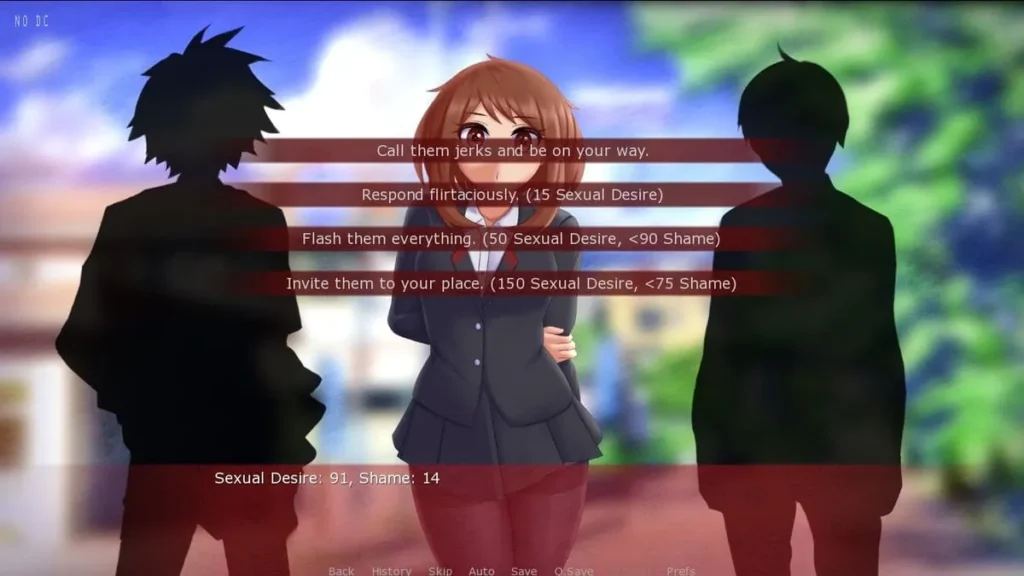
At its heart, My Tuition Academia is a school life simulation game built on a foundation of tough choices. You start as a broke student with a target: graduate with a degree while surviving the financial and social pressures of campus life.
The game engine runs on a cycle of days and weeks, split into semesters. Your primary objectives are deceptively simple:
- Attend classes to earn grades and skills.
- Work a job to pay for tuition, rent, and food.
- Manage your social life to build relationships and avoid burnout.
- Pay down that debt little by little.
Every action costs Energy. Studying costs Energy. Working costs Energy. Going out with friends costs Energy. If you run out, you collapse, wasting precious days.
The real twist? The debt isn’t just a number. It’s a story mechanic. Your loan officer will call. Landlords will send reminders. Late payments can actually alter your character’s stress level and close off certain story paths. It’s a student debt game that uses finance as a narrative driver, not just a stat check.
This isn’t a fantasy where you find a chest of gold. It’s a simulation where you argue with a bank teller over a processing fee. The premise is grounded, but the constant pressure creates a compelling loop. You are always asking yourself: Do I study for the exam, or do I work a double shift to buy a new textbook?
Why does the school-life setting matter?
So, why not set this game in a corporate office or a startup? Why the campus?
The school life simulation game setting works because it creates a built-in time limit and a clear progression path. Every semester has a beginning, a midterm, and an end. You can’t just grind forever. You have to graduate.
The environment forces you to balance four distinct pillars of gameplay:
- Academic Progress: Your GPA determines scholarship options and career outcomes.
- Financial Stability: Can you afford next month’s rent? The game tracks every receipt.
- Social Connections: Roommates, classmates, and professors offer buffs, story events, and emotional support.
- Personal Health: A low health or happiness stat can ruin your performance in everything else.
The campus itself acts as a hub. You have the library (study zone), the quad (social hub), the student union (job board), and your apartment (rest and recovery zone). This physical layout makes the game feel tactile. You aren’t just clicking menus; you are “walking” to the library to cram for a final.
This setting also allows for a relatable form of conflict. You aren’t fighting goblins. You are fighting a group project with a lazy teammate. You are fighting a landlord who refuses to fix the radiator. These small, grounded battles are what make the life simulation RPG genre shine here. The stakes feel real because they mirror real-world anxieties.
The school setting is the crucible. It forces you to prioritize. Do you socialize to keep your happiness up, or do you isolate to get that A+? The game rarely lets you have both.
Who is the game designed for?
This My Tuition Academia game isn’t for everyone. It’s designed for a specific type of player. If you enjoy open-ended fantasy worlds, this might feel too restrictive. But if you love systems and tight resource management, this will hook you.
Here is a quick breakdown of who will enjoy this experience the most:
| Player Type | Why This Game Works For Them |
|---|---|
| Reluctant Adults | You enjoy simulation games that make you think about real-world challenges without real-world consequences. |
| Resource Managers | You love optimizing a schedule. Balancing energy, time, and money is your primary dopamine hit. |
| Narrative Lovers | You want a story driven by your choices, where failing a class can actually open a new story branch. |
| Completionists | There are multiple debt-payoff endings, career paths, and social routes to unlock. |
I’ve noticed this game attracts players who are curious about the “sausage-making” of adult life. It’s a safe space to explore financial pressure. You get to see the consequences of skipping a loan payment without actually ruining your credit.
Personally, I find this type of game stands out because it validates a common struggle. Most games let you escape reality. My Tuition Academia asks you to engage with it. It says, “Remember that panic you felt about tuition? Let’s channel that into a structured, rewarding gameplay loop.”
It’s designed for people who want their strategy games to have a human heartbeat. For players who are tired of saving the world and want to try saving their own bank account. If you are the type of person who enjoys planning a weekly budget or optimizing a calendar, this life simulation RPG will feel like coming home.
It’s a niche, but within that niche, it offers a deep and surprisingly emotional experience. You aren’t just playing a character. You are navigating a system that feels personal.
So, if you are looking for a game overview that promises action, look elsewhere. But if you want a thoughtful, challenging, and rewarding simulation of the modern student experience, My Tuition Academia is calling your name. It’s a game about growth, not glory. And sometimes, that’s a much more compelling story to tell.
My Tuition Academia stands out because it combines a strong school-life premise with progression-driven gameplay and meaningful player decisions. If you enjoy games that mix routine, strategy, and a clear sense of tension, this one is worth a closer look. The best way to approach it is to understand the core loop first, then pay attention to how your choices shape the experience over time. If you are curious about the game, start with its premise, learn the rhythm of play, and see whether the style fits what you enjoy most in a game.